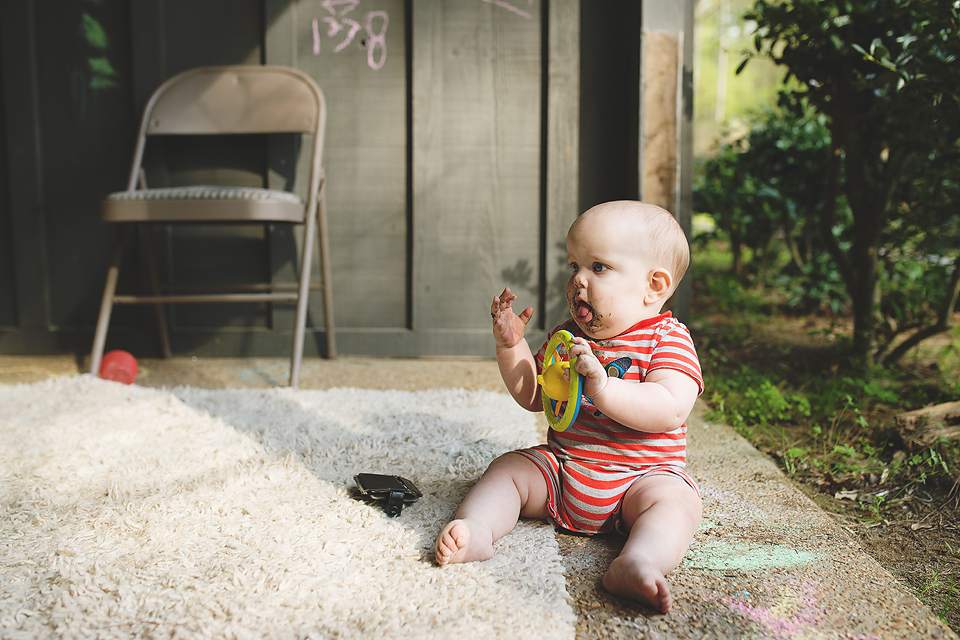
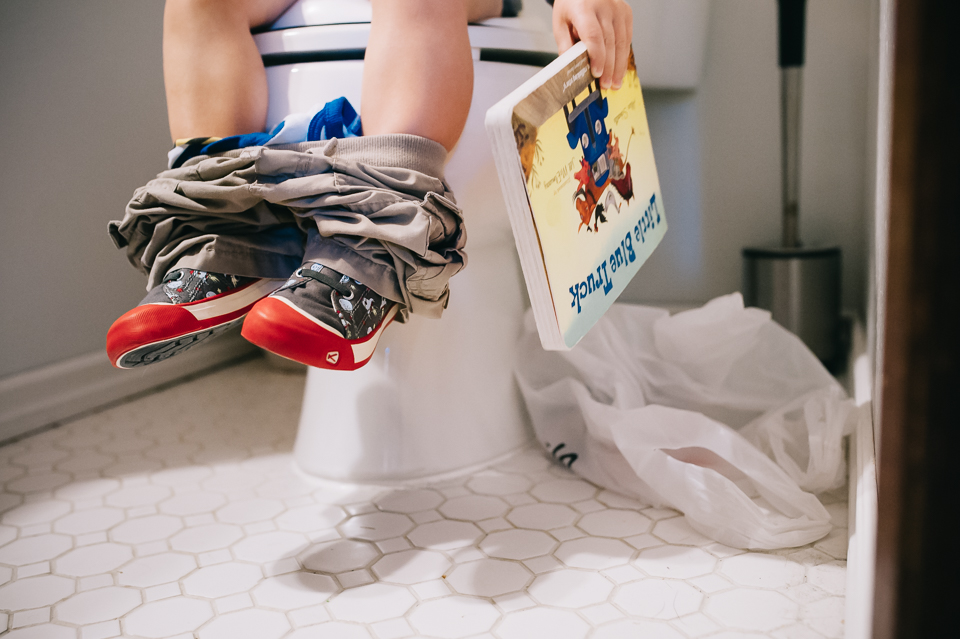
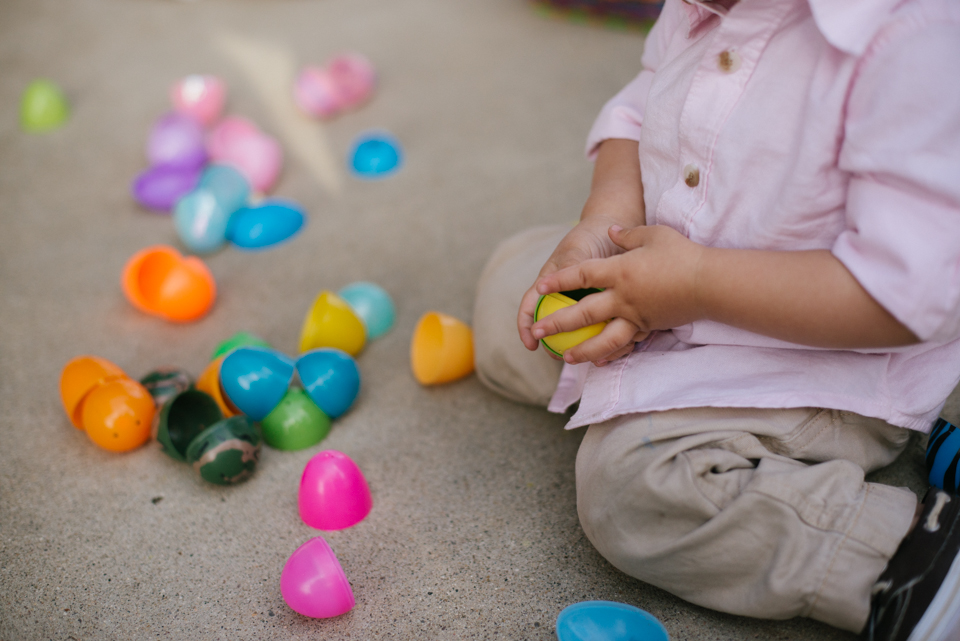
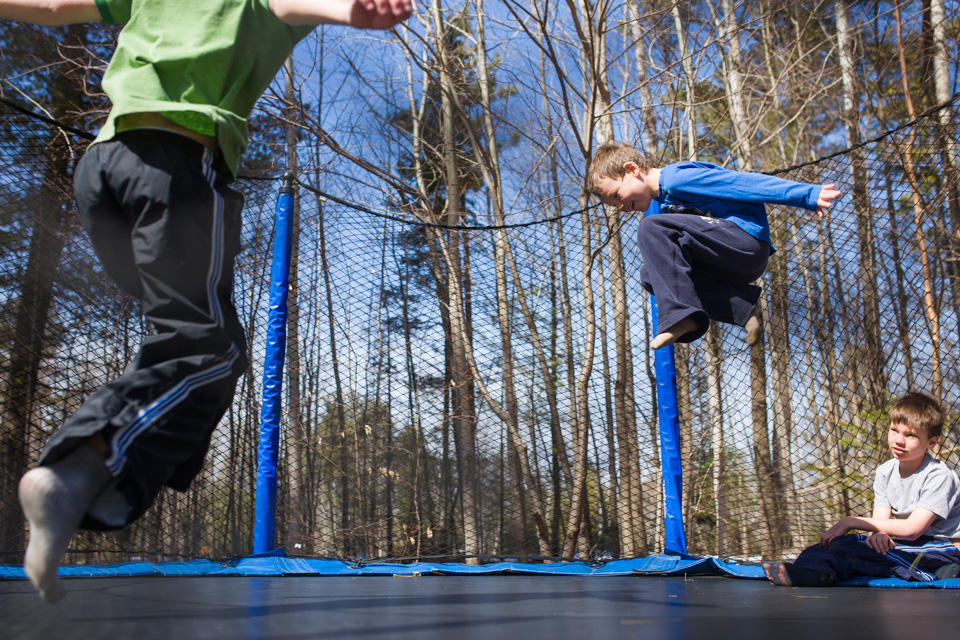
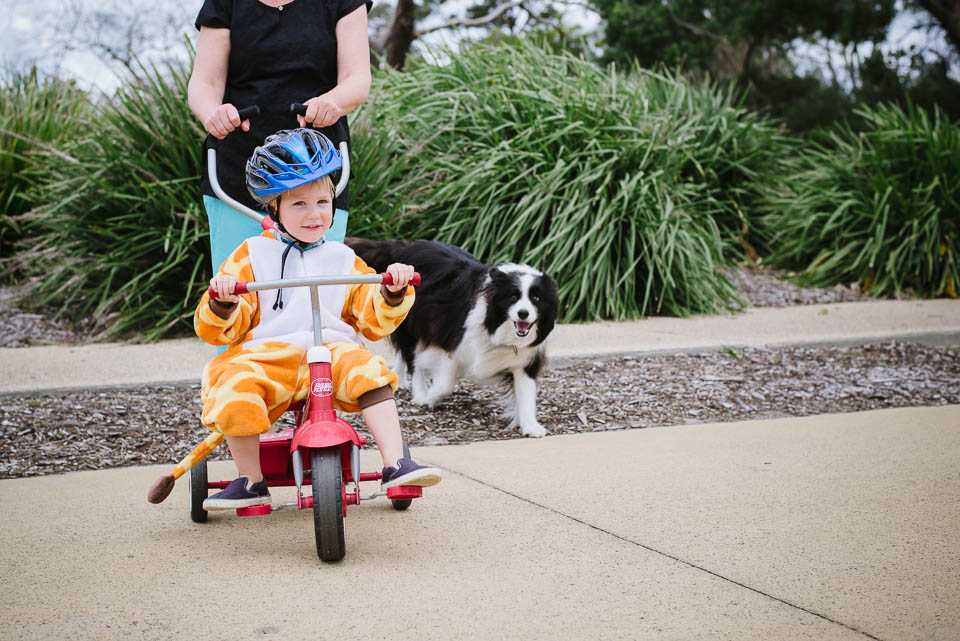
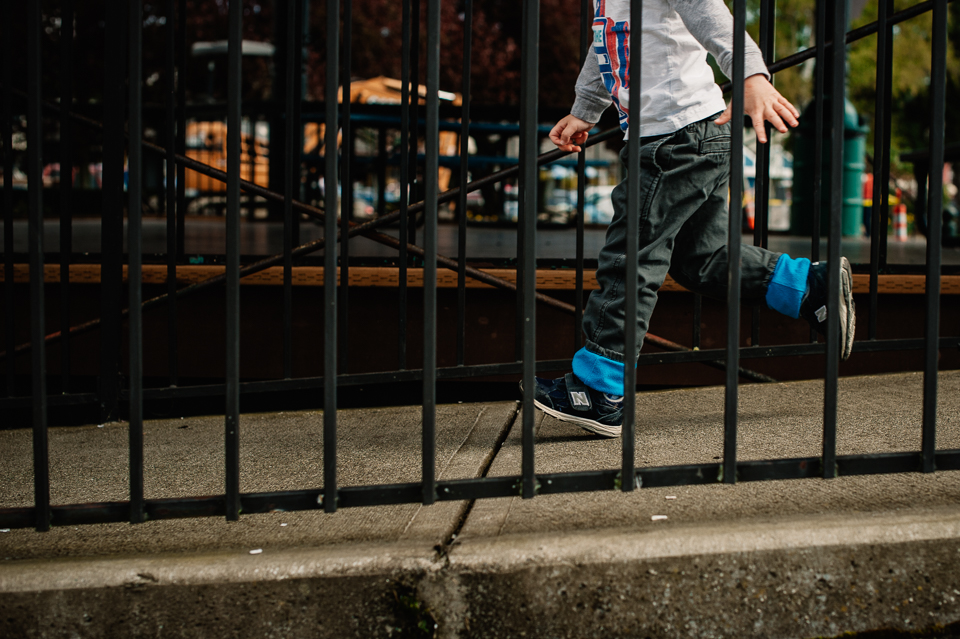
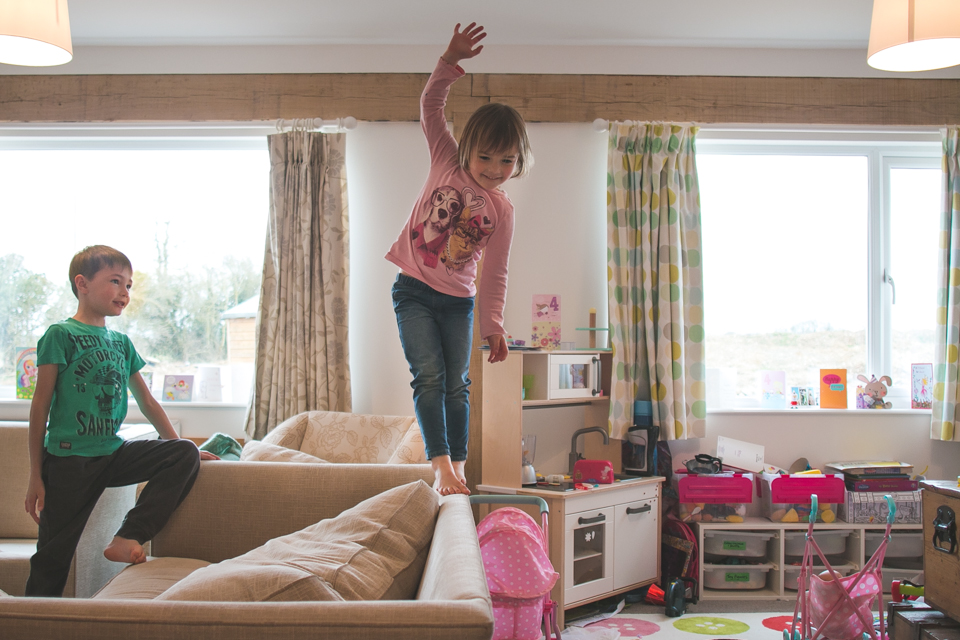
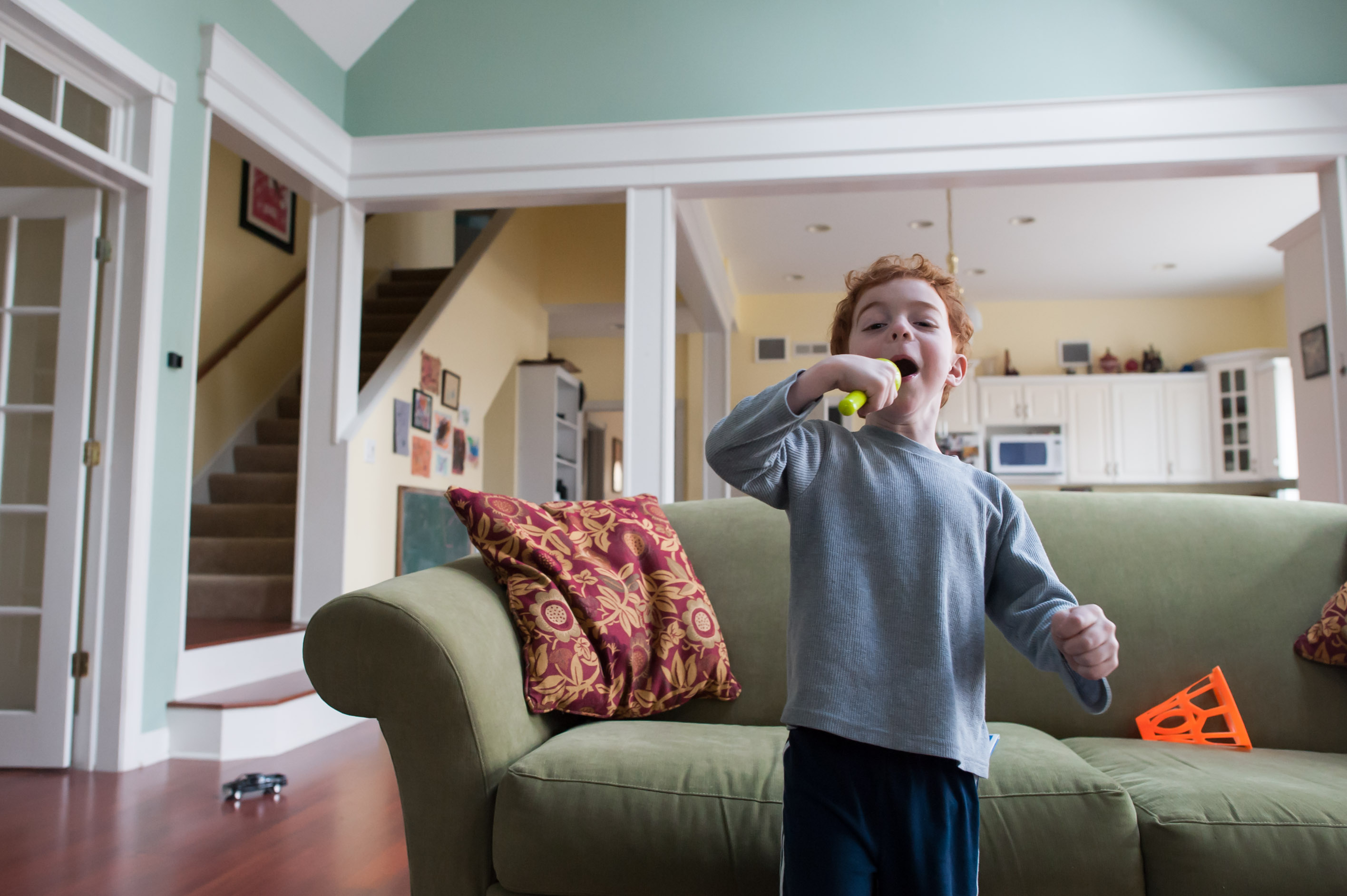
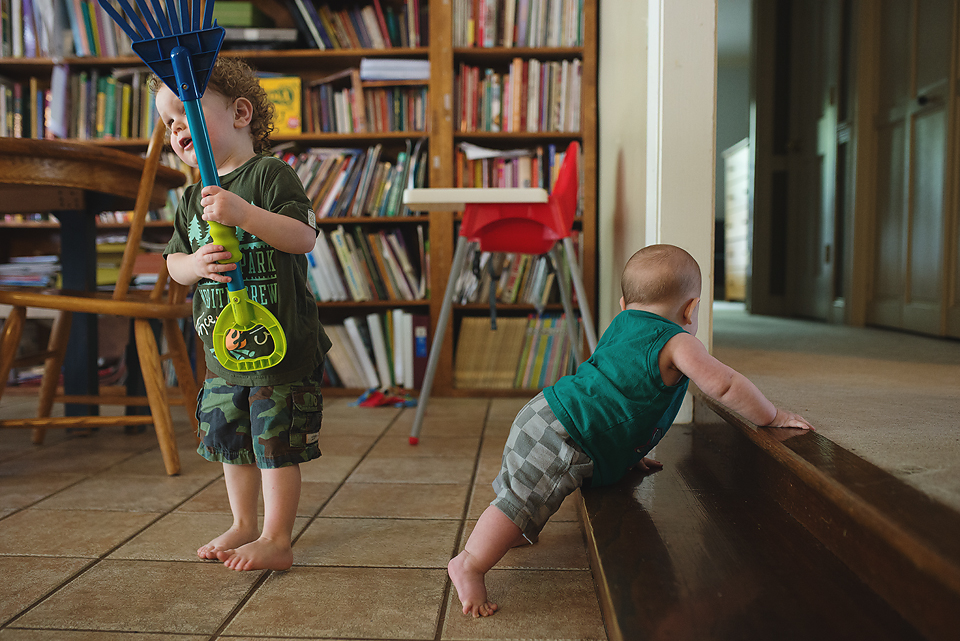
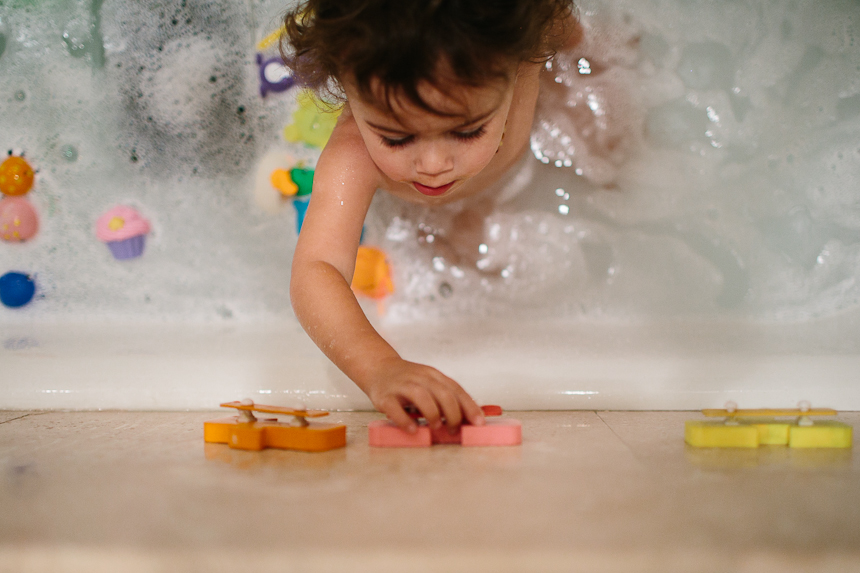
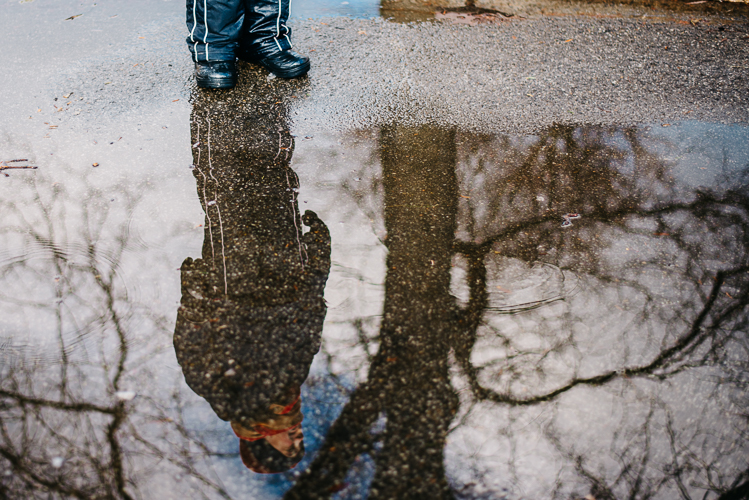
Little kid hands and feet - Family Documentary Photography Interview

Meet Chrystal Cienfuegos

Contributor Profiles

Chrystal is a football-loving mama of 3 and photographer out of San Diego, California. She is associated both with NAPCP and the Tiny Sparrow Foundation.

Where can we find you online (Website, Facebook, Instagram)?

www.chrystalcienfuegos.com
http://www.facebook.com/chrystalcienfuegosphotography
http://www.instagram.com/chrystalcienfuegos
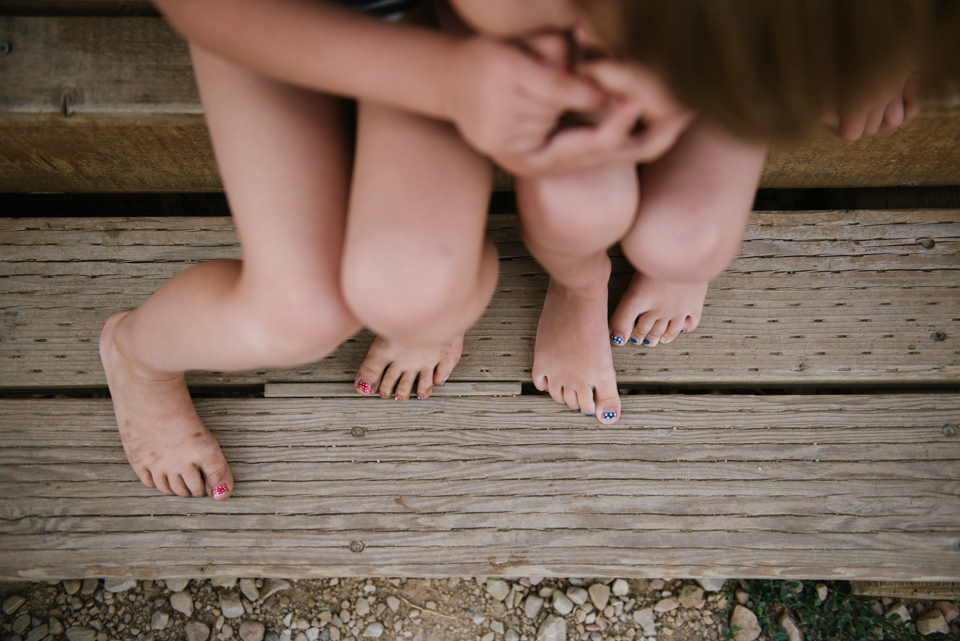
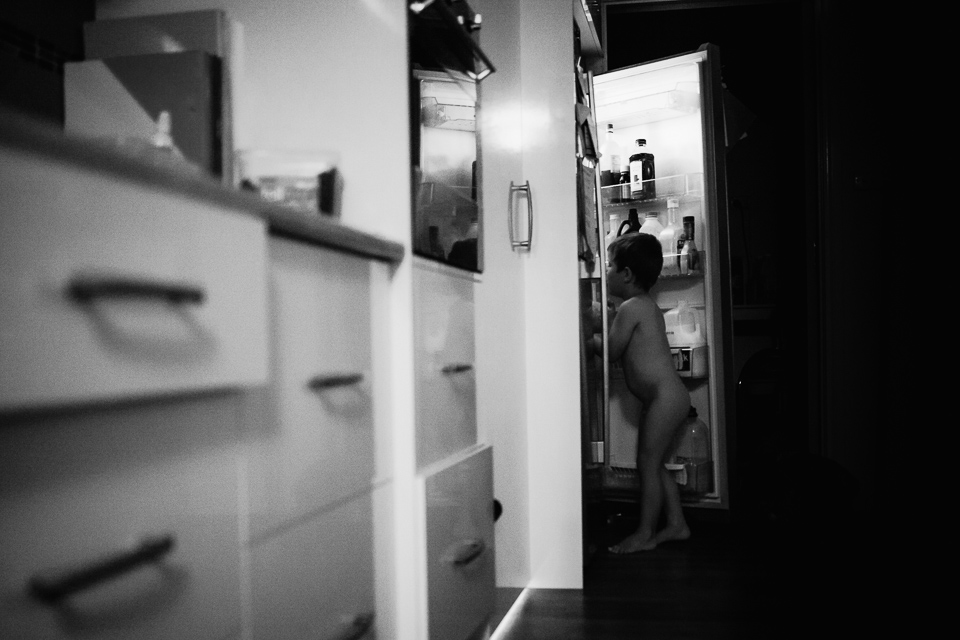
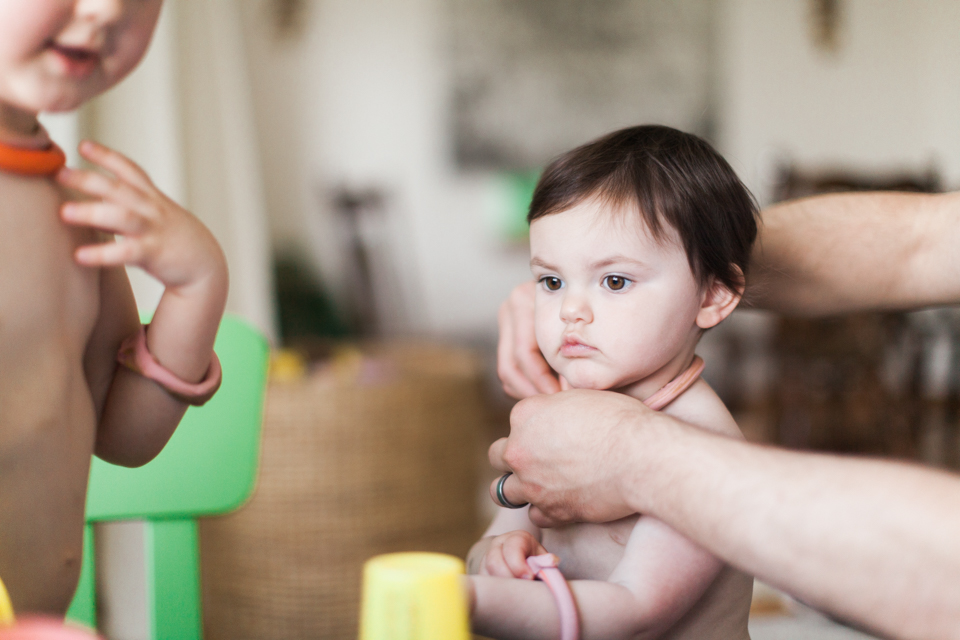
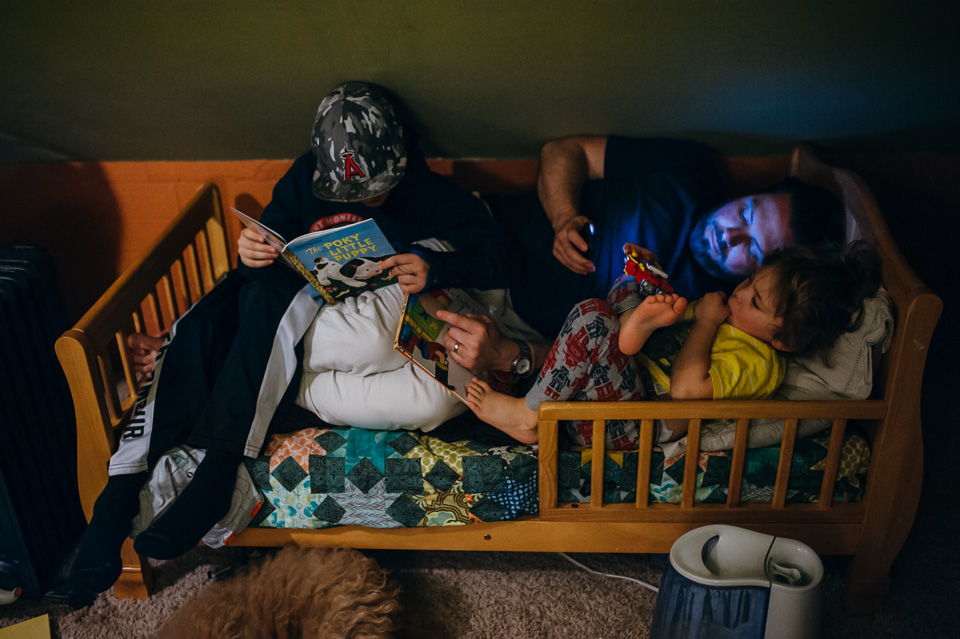
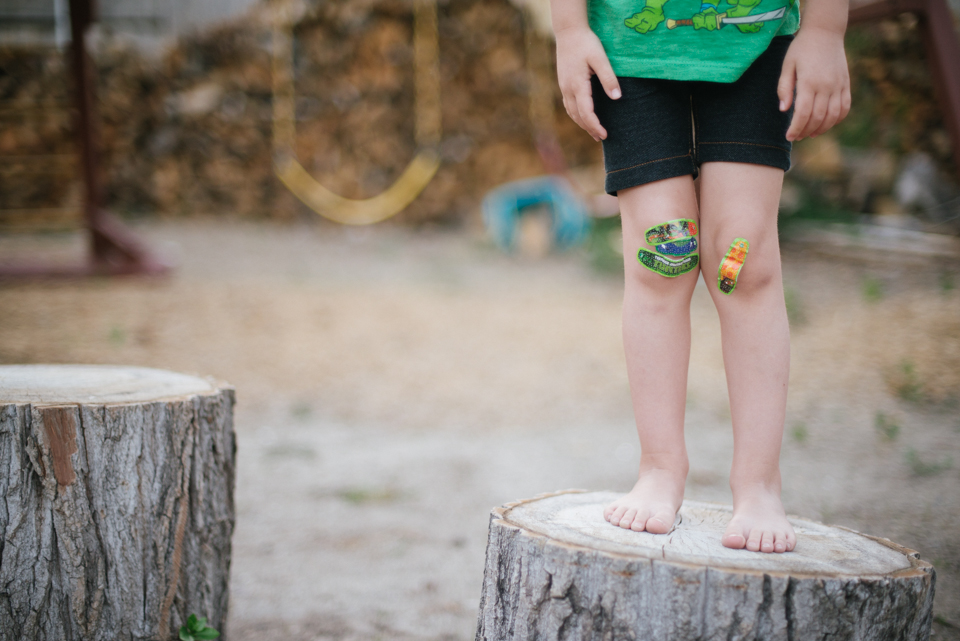
Little kid hands and feet - Family Documentary Photography Interview

What’s your favorite lens for shooting this type of work?  And do you have any accessories you just love (filter, bag, camera strap, etc.)?

MY favorite storytelling lens is the Nikon 28mm 1.8. The 35mm wasn’t wide enough for me and the 24mm was a little too wide so the 28mm fits me well, and it’s cheaper! I always carry my 28mm 1.8, 50mm 1.4, and 105mm Micro (I do newborn work also). I’m in love with my brown leather Kelly Moore B-Hobo bag, everything fits perfectly, and it’s really cute (I sound like a commercial).

http://store.kellymoorebag.com/collections/brown/products/b-hobo
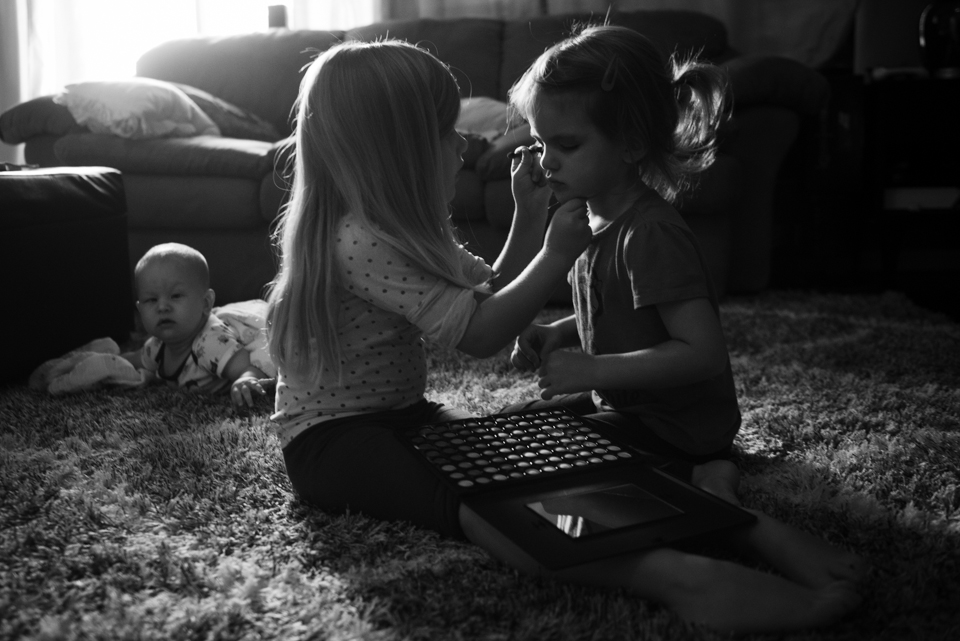
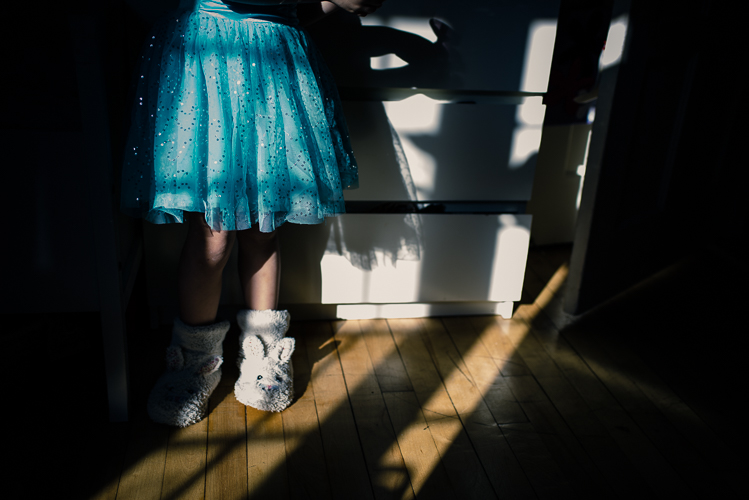
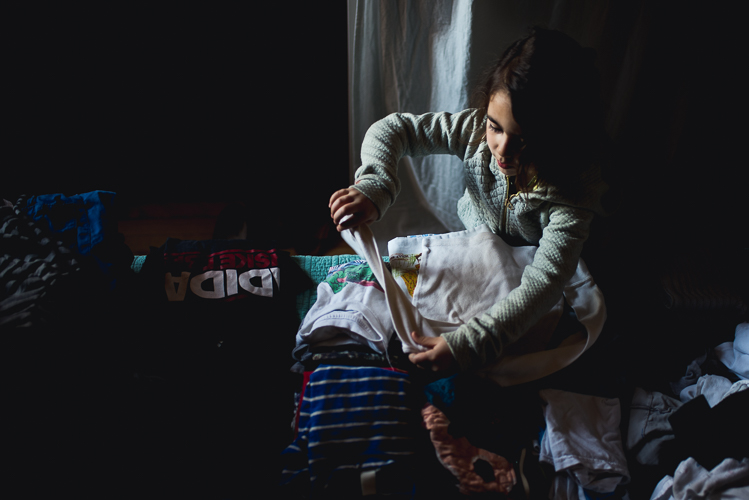
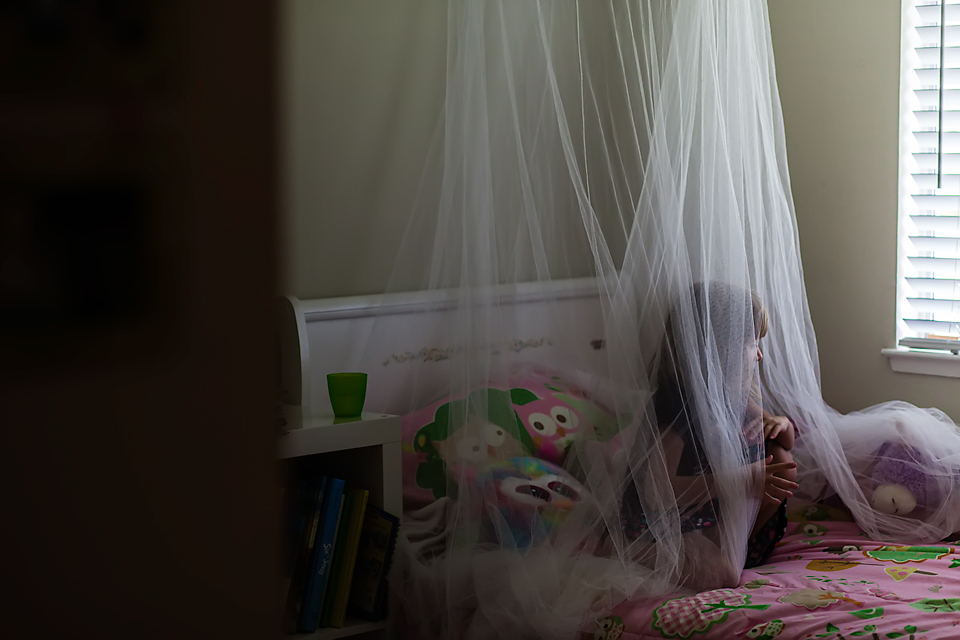
Little girls playing dress up - Family Documentary Photography Interview

What are you drawn to document? Is there a particular composition, technique, or mood you love?

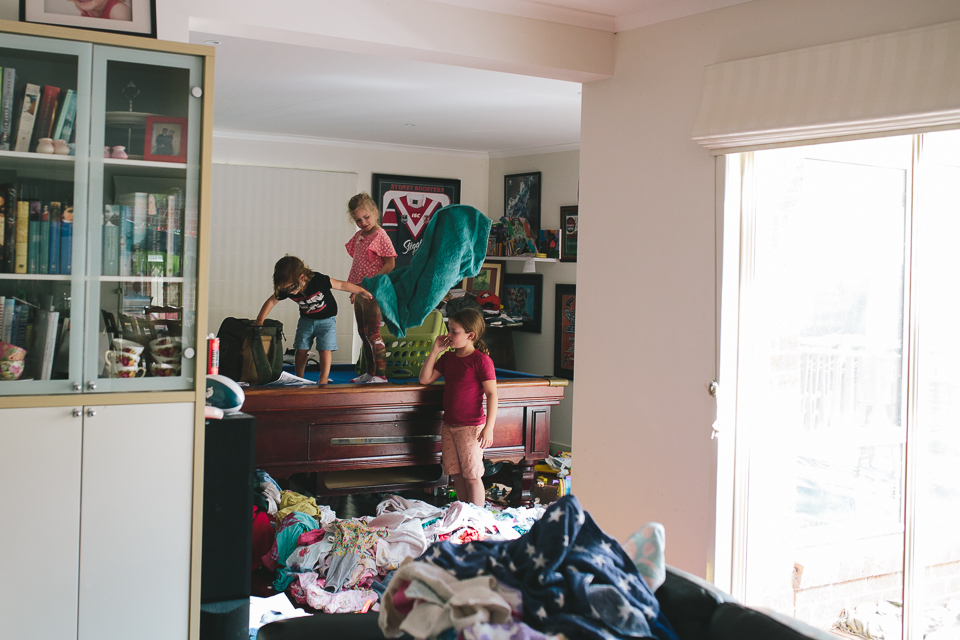
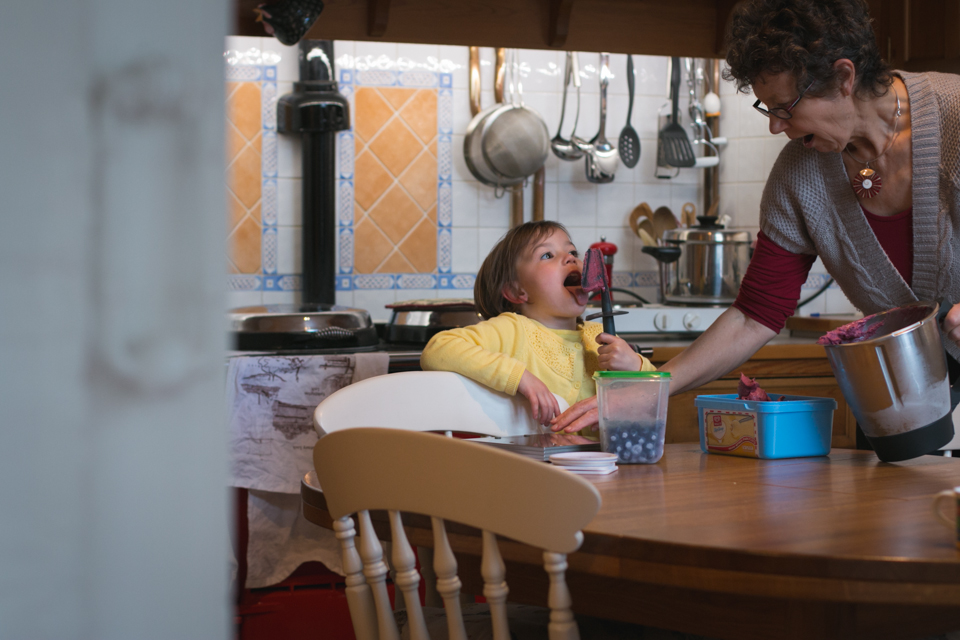
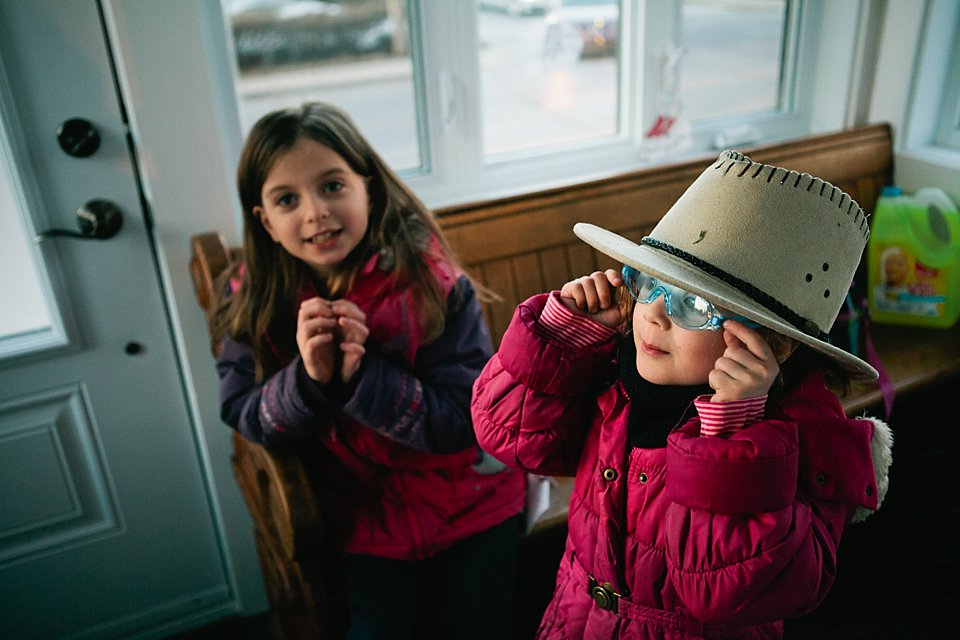
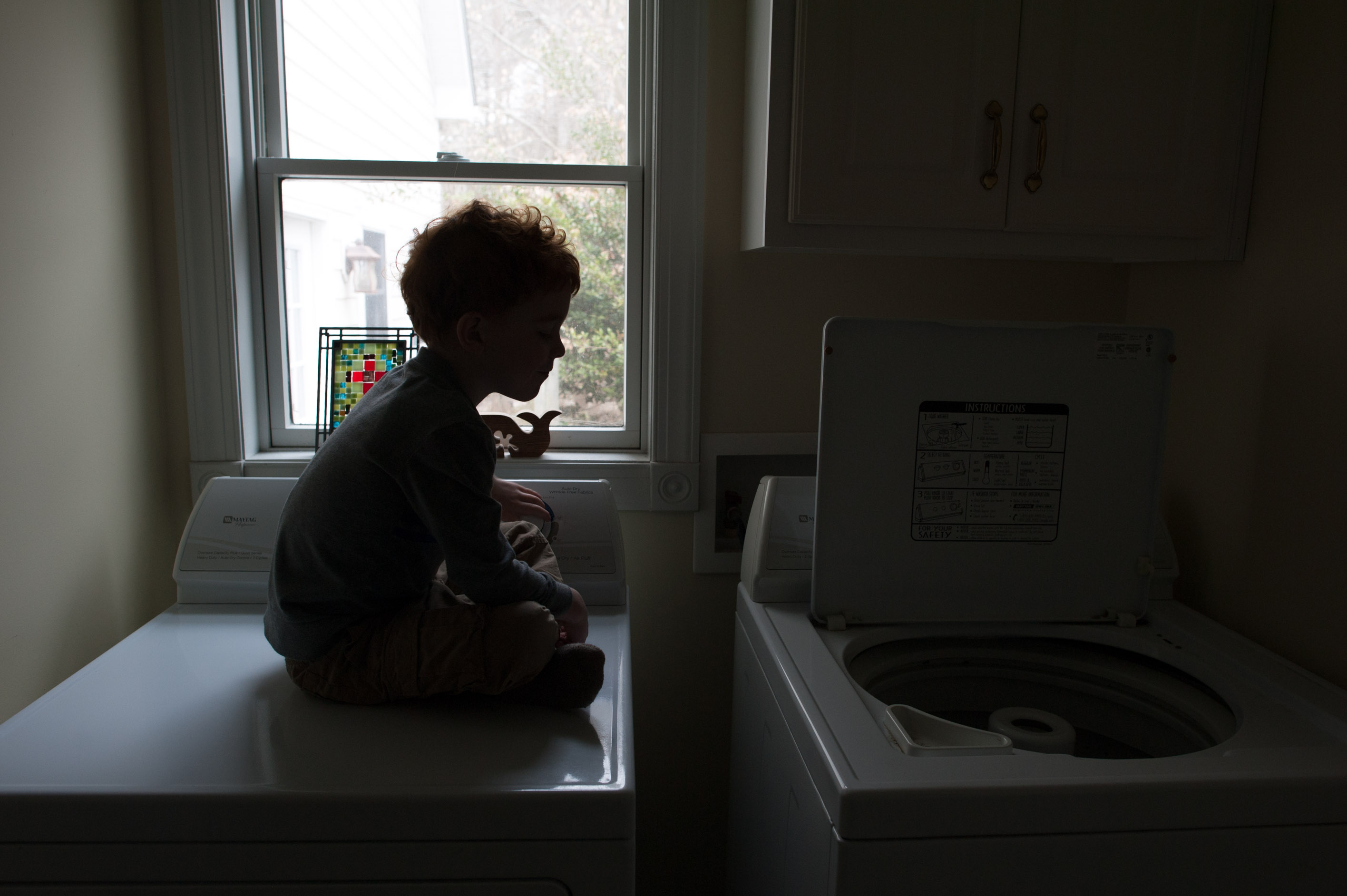
I tend to shoot in the shadows, partly because I love the moodiness of it and partly because my house is a cave. When I shoot in bright homes, it’s always a bit of a shock at first. As far as techniques, I love a good mix of B&W and color images as well – I’m equally drawn to both. I think clean editing is important too so they remain timeless.

As far as the type of documentary work, I most enjoy creating “birth journeys” where the client has me present for a series of events: a doctor/midwife appt, a documentary/day in the life maternity, the birth itself, and then a documentary style newborn session. I do a few formal portraits and poses while I’m with the client but 90% of my work on these types of bookings is documentary.
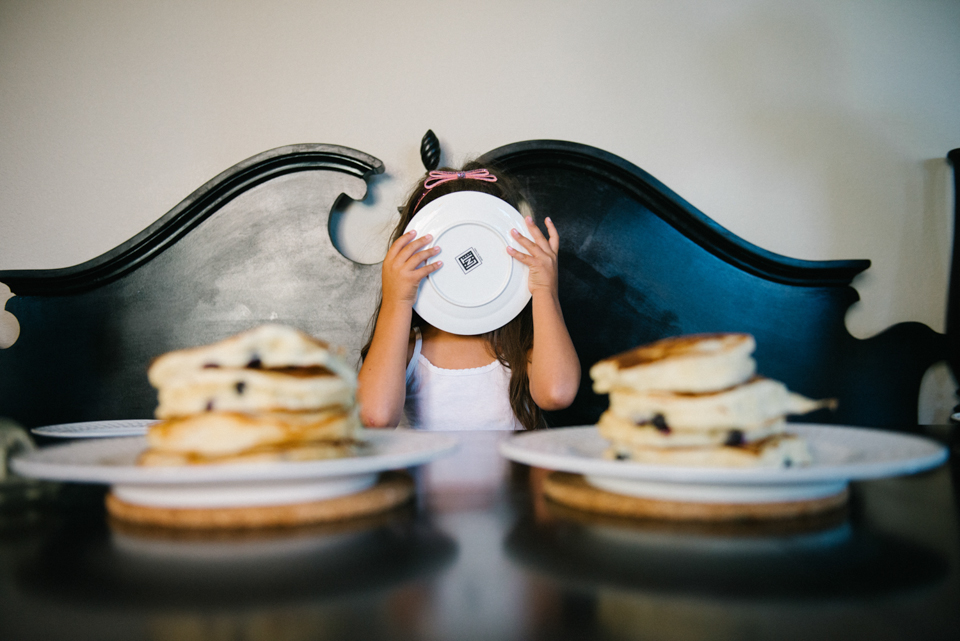
child licking plate - Family Documentary Photography Interview

What is the most valuable tip you have learned in pursuit of shooting in a more documentary style?

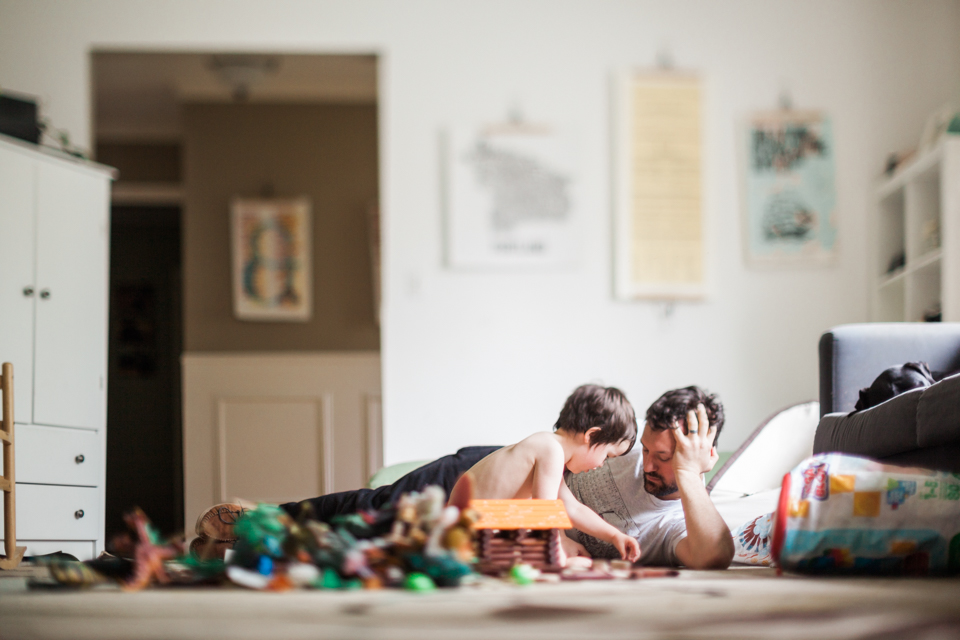
ALWAYS be ready. Great frames are everywhere but require you to be ready at any moment. Kids do incredible things but once you miss it, it’s probably gone forever. The re-creation never looks the same. And aside from being ready, be patient. It can also take a long time for a story to present itself, but it always does eventually.
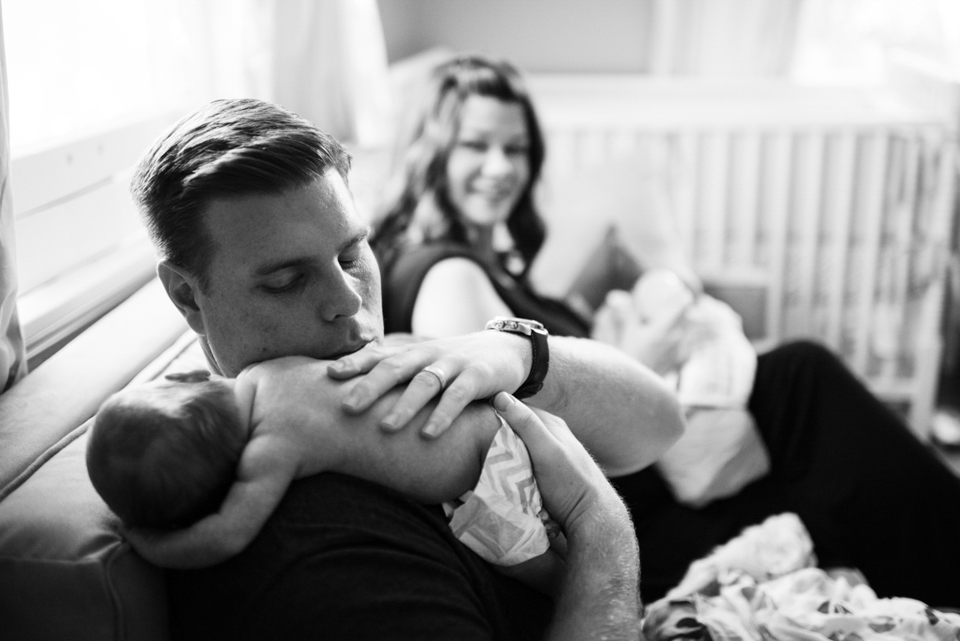
Father and new baby - Family Documentary Photography Interview

Why is storytelling photography important to you?  Why do you feel compelled to shoot with this approach?

The most incredible thing about photographs is how they make you feel…how you relive stories and memories when you view them. There is certainly a place and a need for pretty portraits but when our children are grown, happiness will be found in our memories and storytelling photographs will ensure we don’t forget. Also, I find it to be very therapeutic. Being a business owner with three small children, life gets hectic for me. Pausing to see the beauty, and to photograph it, reminds me how lucky I am to be needed and loved as much as I am.
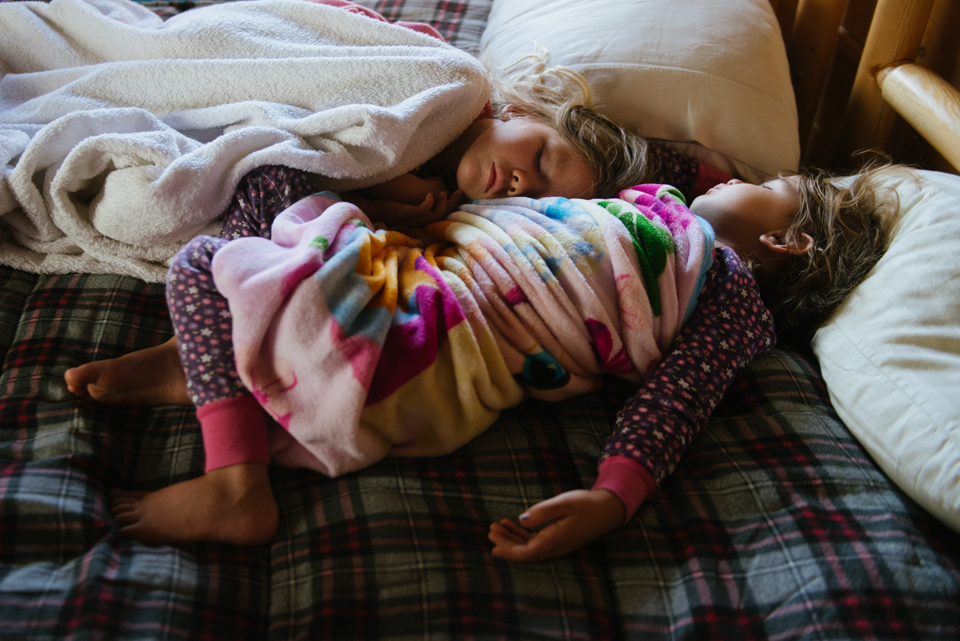
 sleeping child - Family Documentary Photography Interview

Briefly tell us about your journey into family documentary photography.

I started out thinking I wanted to be a wedding photographer because I was attracted to the emotional moments and the documentary nature of the wedding day. However, I found them to be stressful and sometimes too scripted/planned for raw moments. Once I become a mother, it became obvious that working with families was what I wanted to do. At first, I just did what everyone else was doing (pretty portraits in a field) and after about two years of that, I realized something needed to change. I was shooting family documentary in my personal work and just asked myself, “Hello! Why am I not offering this to everyone else?” I’m so glad I do now. My heart is happier and so are my clients. It’s hard communicating the session type since they aren’t used to seeing it but once they “get it”, they love it just as much as I do.
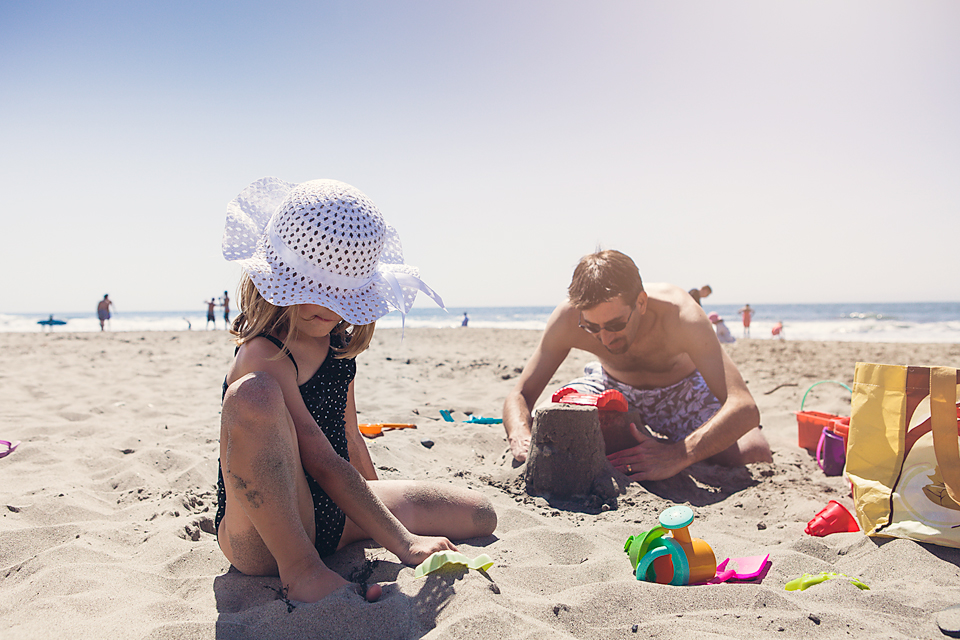
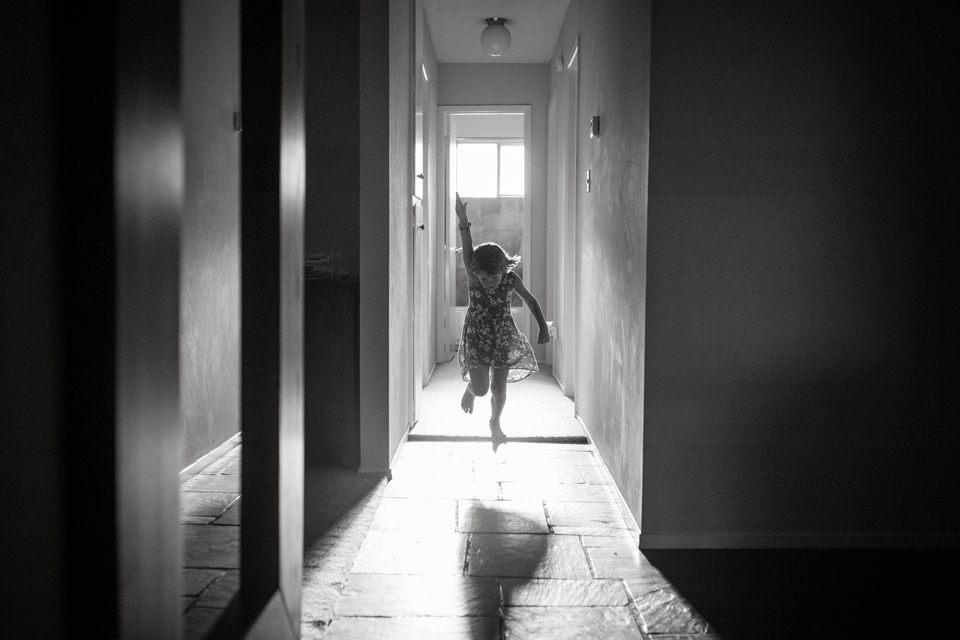
child running in hallway - Family Documentary Photography Interview

Meet Michelle McDaid

Contributor Profiles

Michelle is originally from London but now lives and works in Sacramento, CA.  She is a lover of travel and a writer for local magazines and non-profits.

Where can we find you online (Website, Facebook, Instagram)?

www.mbymphotos.com
http://www.facebook.com/mbymphotos
http://www.instagram.com/eat_dessert_1st

child running in hallway - Family Documentary Photography Interview

What’s your favorite lens for shooting this type of work?  And do you have any accessories you just love (filter, bag, camera strap, etc.)?

Sigma 35mm 1.4. I just love the freedom it gives you, which is so essential when working in tighter spaces at home. Even when I’m shooting outside, I love how it gives me plenty of room to create context and story as part of my composition. Shooting with a wider-angle lens has really improved my composition overall. I also have a thing for close-up photos of kids with a wider-angle lens. Yes, it makes their faces a little distorted but I feel there is a sense of intimacy about those images. Kids, especially your own, live in close quarters. I recently used the 35mm to take some super-up-close photos of my daughter literally laying on my lap, wrapped around me. It reminded me of how it felt to be a little girl myself, literally loving my mum and how she felt and smelled so much that I wanted to crawl back into her.

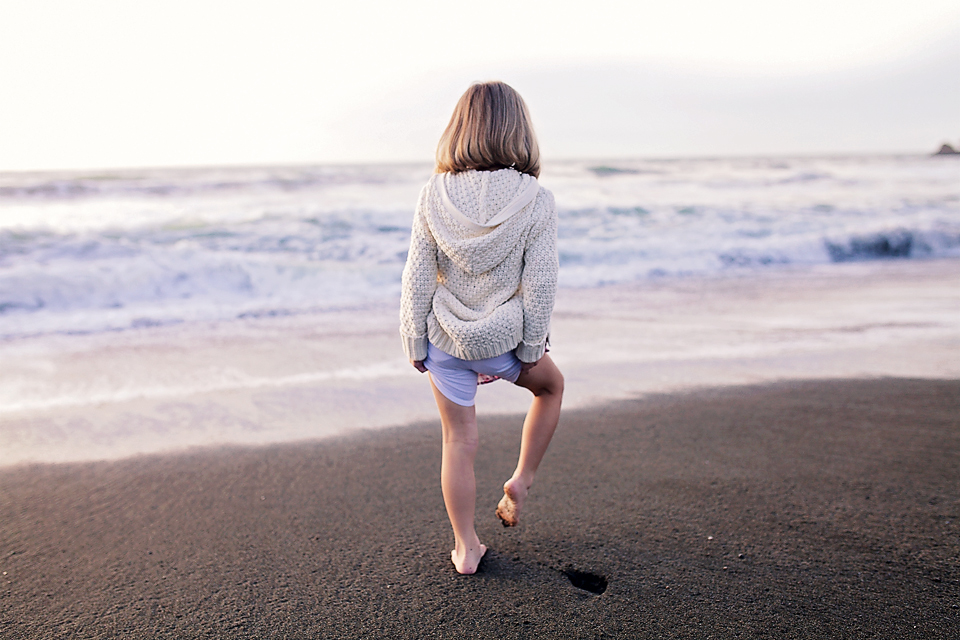
little girl on beach - Family Documentary Photography Interview

What are you drawn to document? Is there a particular composition, technique, or mood you love?

It’s always about the emotional story, connection, particularly between parents and young children. I had such an amazing childhood myself and have such vivid memories of the little, everyday things I did with my mum and dad and the feelings of love and safety they evoke whenever I think back on them.

With clients, this translates as being drawn to photograph where families intersect and connect, however briefly: quiet time reading together, a spontaneous cuddle at breakfast, or playing games like catch or spraying each other in a back yard water fight.  Those pictures where everybody is so involved in the moment and with being together, completely forgetting about me and my camera. Then, I love getting in close and getting intimate, making the viewer feel as though they are IN the photo. I think I see the idea of imperfection a little differently than some. To me it’s in the hair flying in the face, the unguarded expression and the messy way that huge, unscripted hug came together. Those photos are undoubtedly my favorites.
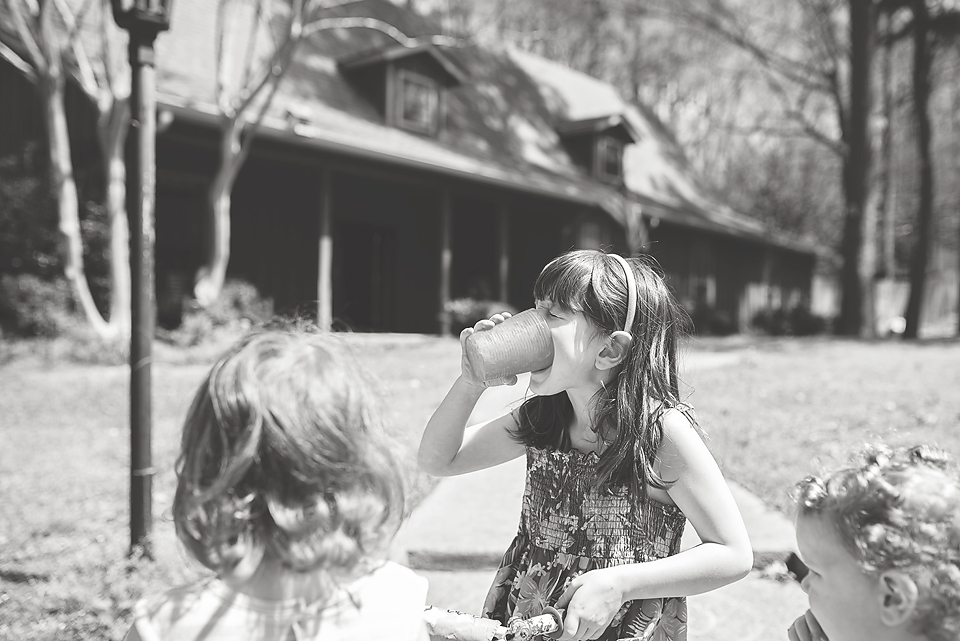
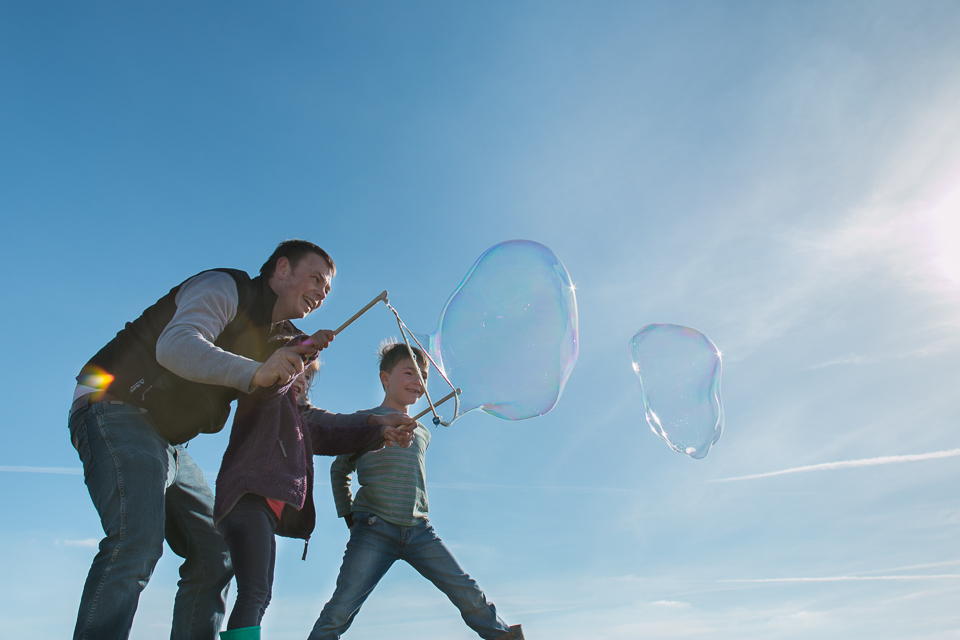
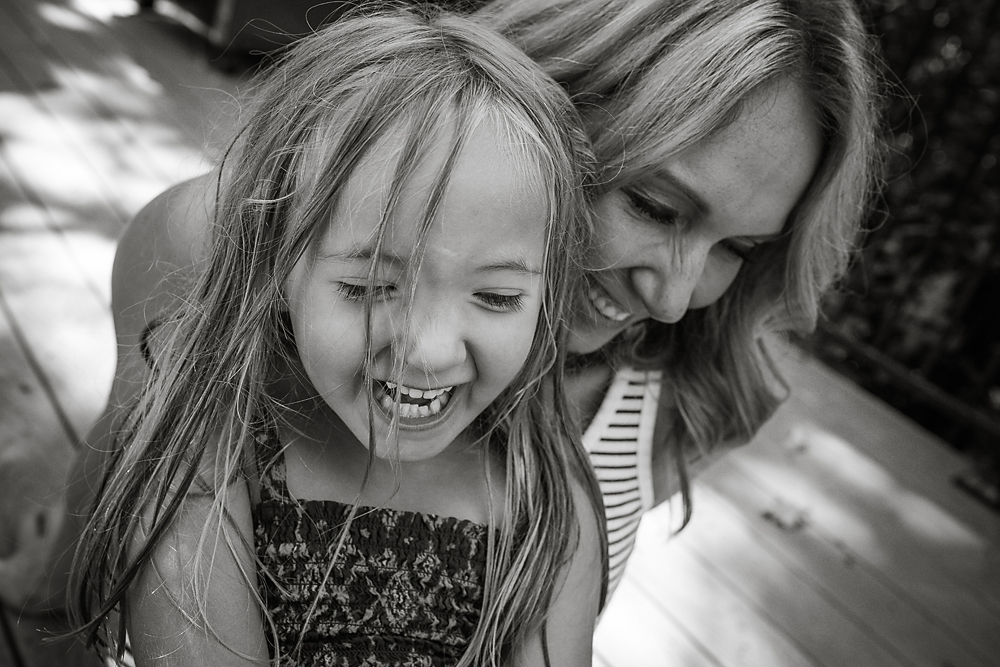
Mom and Daughter laughing - Family Documentary Photography Interview

What is the most valuable tip you have learned in pursuit of shooting in a more documentary style?

Be intentional. Know what story you’re trying to tell and how each photograph you’re taking fits into that.

So often I think that a more documentary photography style is incorrectly associated with taking hundreds of photos of absolutely everything without a thought or a plan and then pulling the best out of the pile (aka “spraying and praying.”). But, if you read interviews with some of the world’s most accomplished photojournalists, they all talk about how much time and planning goes into each photo they create. It’s no mistake that they’re in a certain place, at a certain time of day, with certain light.

I just attended a photography exhibit here in Sacramento called Living on a Dollar a Day by Renee Dwyer and had the opportunity to speak with the photographer about a couple of my favorite images. I asked her about her process, how long it took to get each of the images. She told me hours.  Hours and hours of watching the light and the people and the rhythm of their day, and then crouching in the right corner, waiting for the seminal moment to unfold before her. And at the end of it all, she only uses one, maybe two or three photos for her exhibit and book, so each one has to be a strong piece of the story.

We don’t always have the time to do that in client sessions and certainly clients expect more than a few images but it’s a good reminder that great documentary and storytelling photos rarely happen by chance or accident.

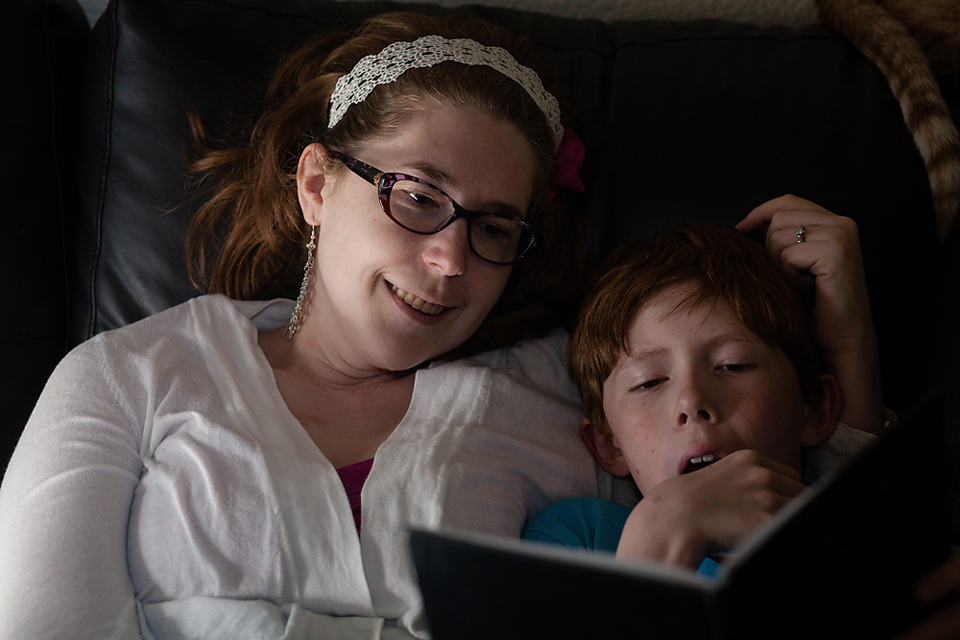
Mom reading to son - Family Documentary Photography Interview

Why is storytelling photography important to you?  Why do you feel compelled to shoot with this approach?

For me it really goes back to my own childhood memories. I’d give anything to have a photo that told those stories from my childhood: baking cakes with my mum and washing cars with my dad (plus a whole lot more I don’t have time to mention.) I have hundreds of photos of us standing like stick men in front of things on vacation and family photos at Christmas, but no pictures of my favorite memories. A lot of photographers shoot for the parents but I really feel like I shoot for the kids, so they can hold a photo in 40 years that reminds them of what it was like to be 5, wrapped up in their mom’s arms, so loved, safe, and carefree.

Sisters hugging - Family Documentary Photography Interview

Briefly tell us about your journey into family documentary photography.

When I started my photography business, I knew I had fallen in love with photography but I really didn’t have a clear idea of who I wanted to be or what I wanted my photos to say. I explored everything, trying to find something that felt natural for me. I sought a lot of feedback about my work, trying to get better and trying to figure out why I wasn’t personally more satisfied. Of course I got lots of constructive criticism but it was the positive things that were ultimately the most helpful. I didn’t know what this meant at the time but the words that came up consistently were “connection” and “genuine.” So I worked with that. How can I keep the connection and the authenticity in my images and improve my technical skills? I worked from that perspective and let the process lead me in many ways. Looking back I think other people saw what my photography should be about long before I did.