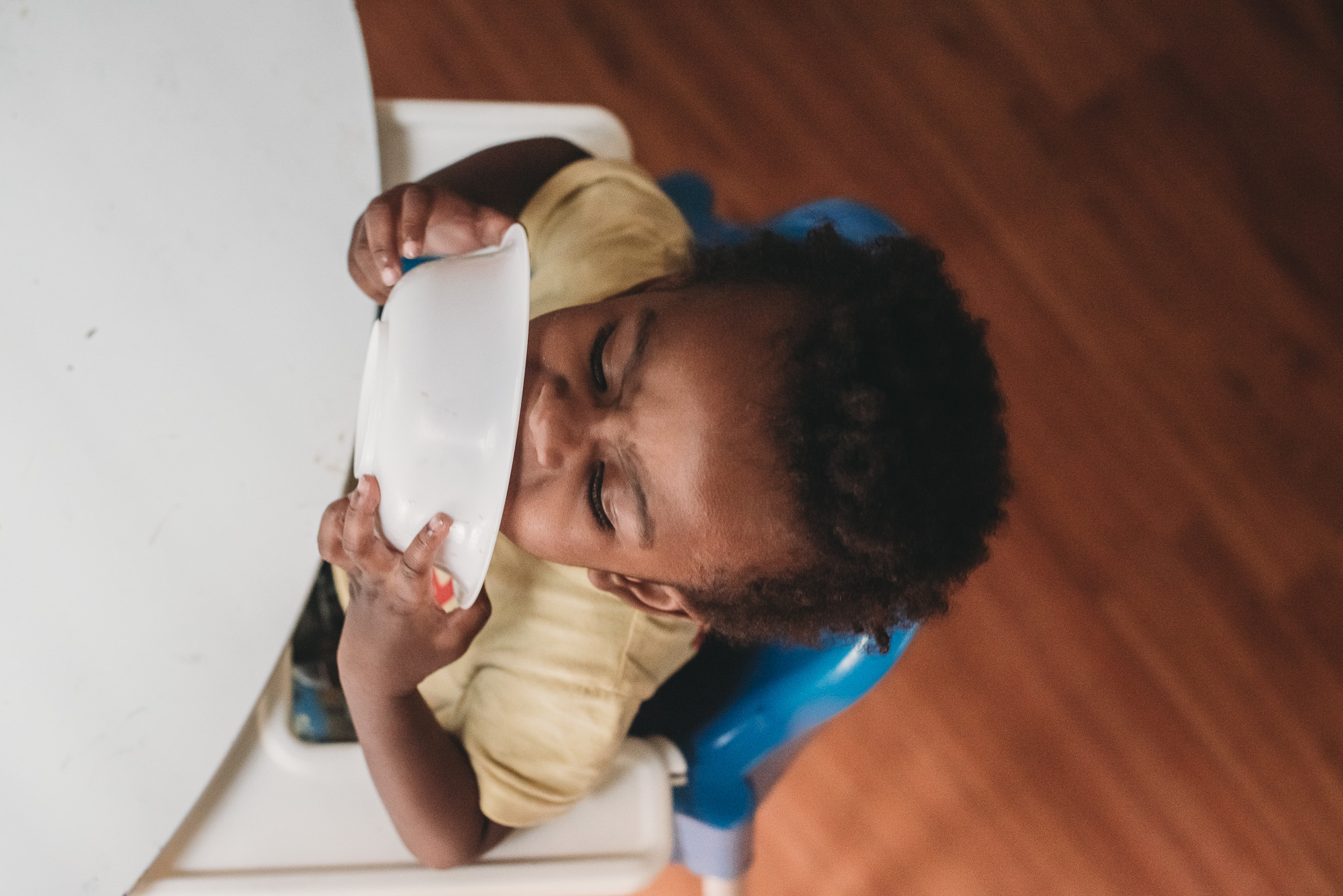
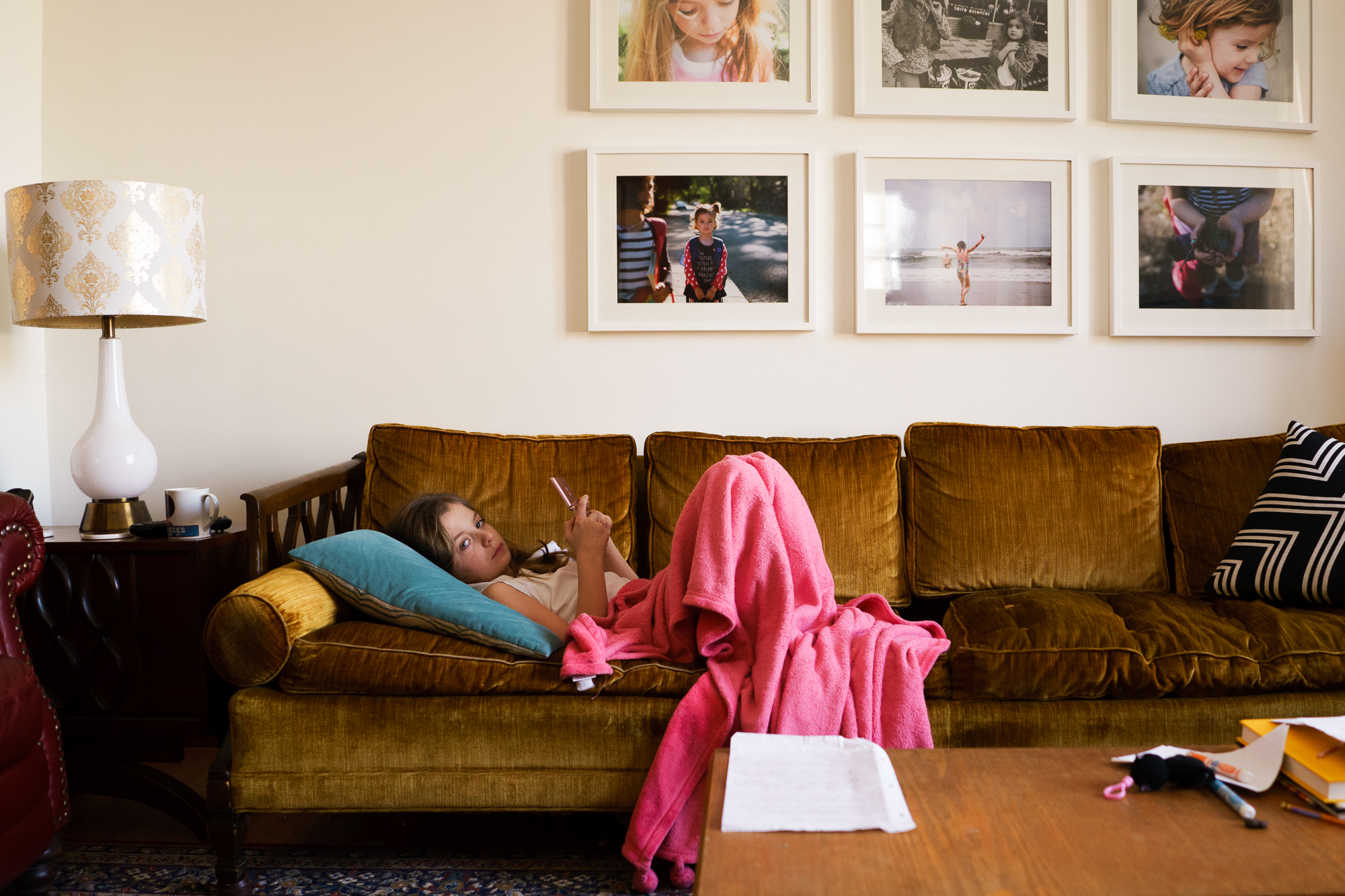
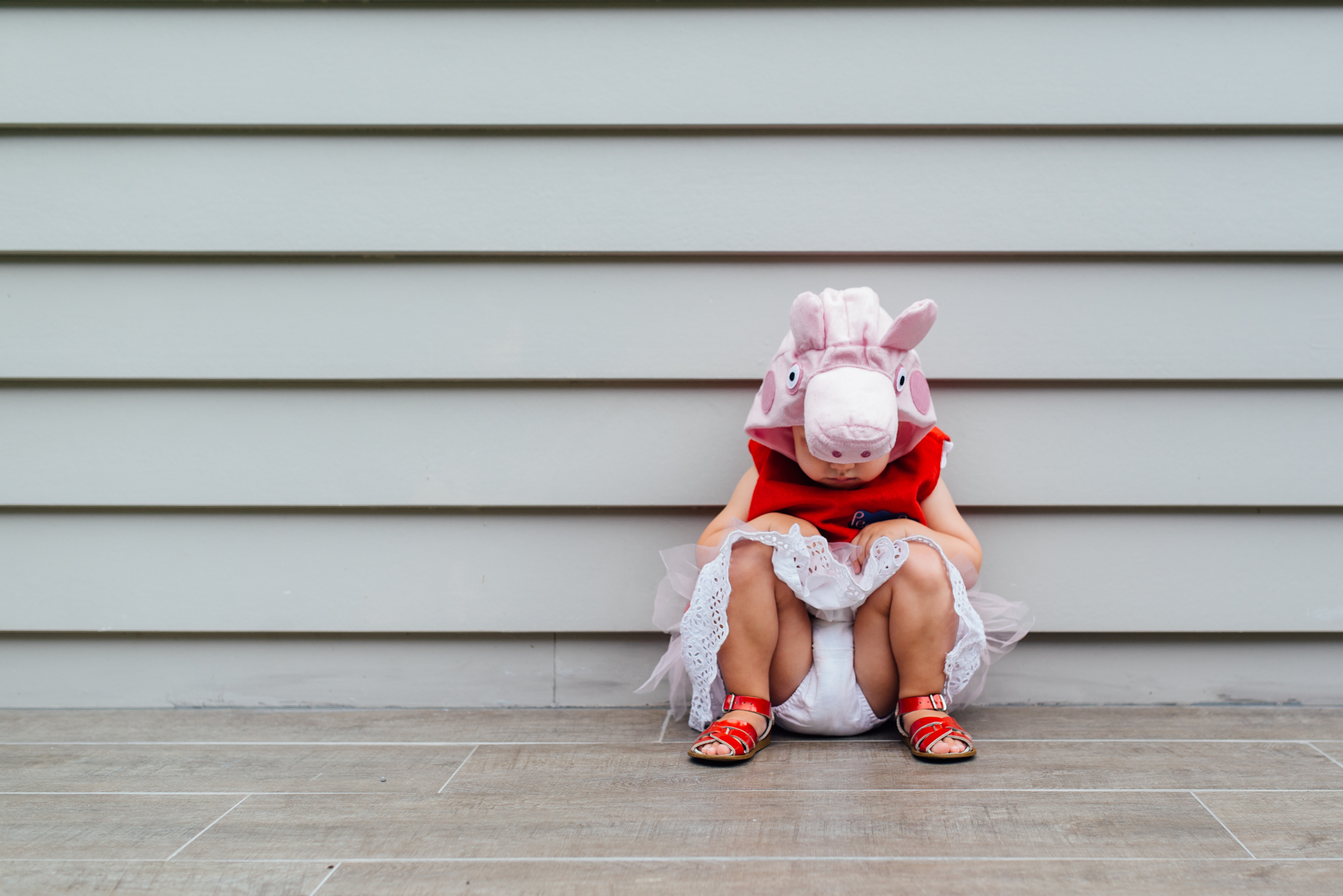
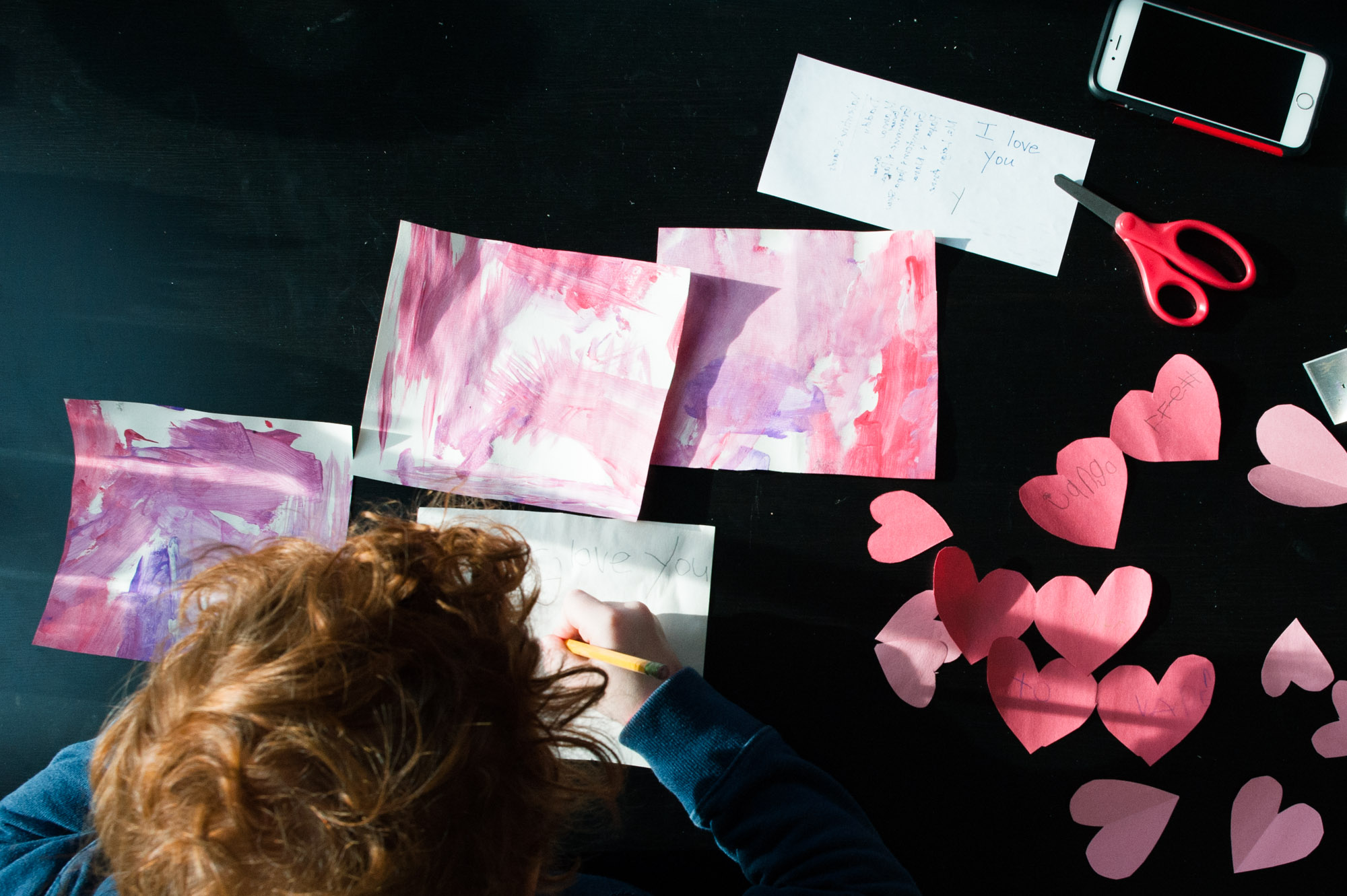
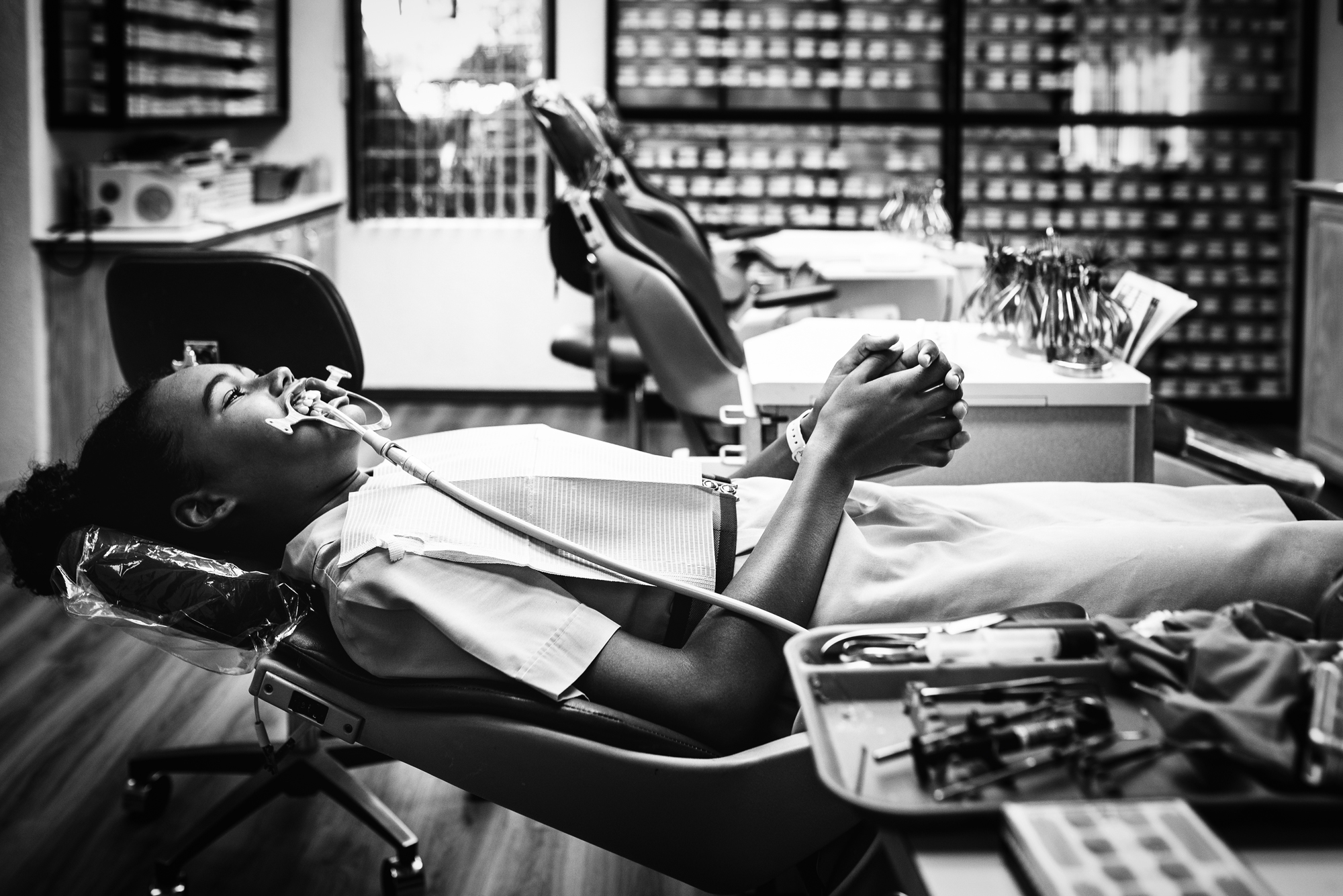
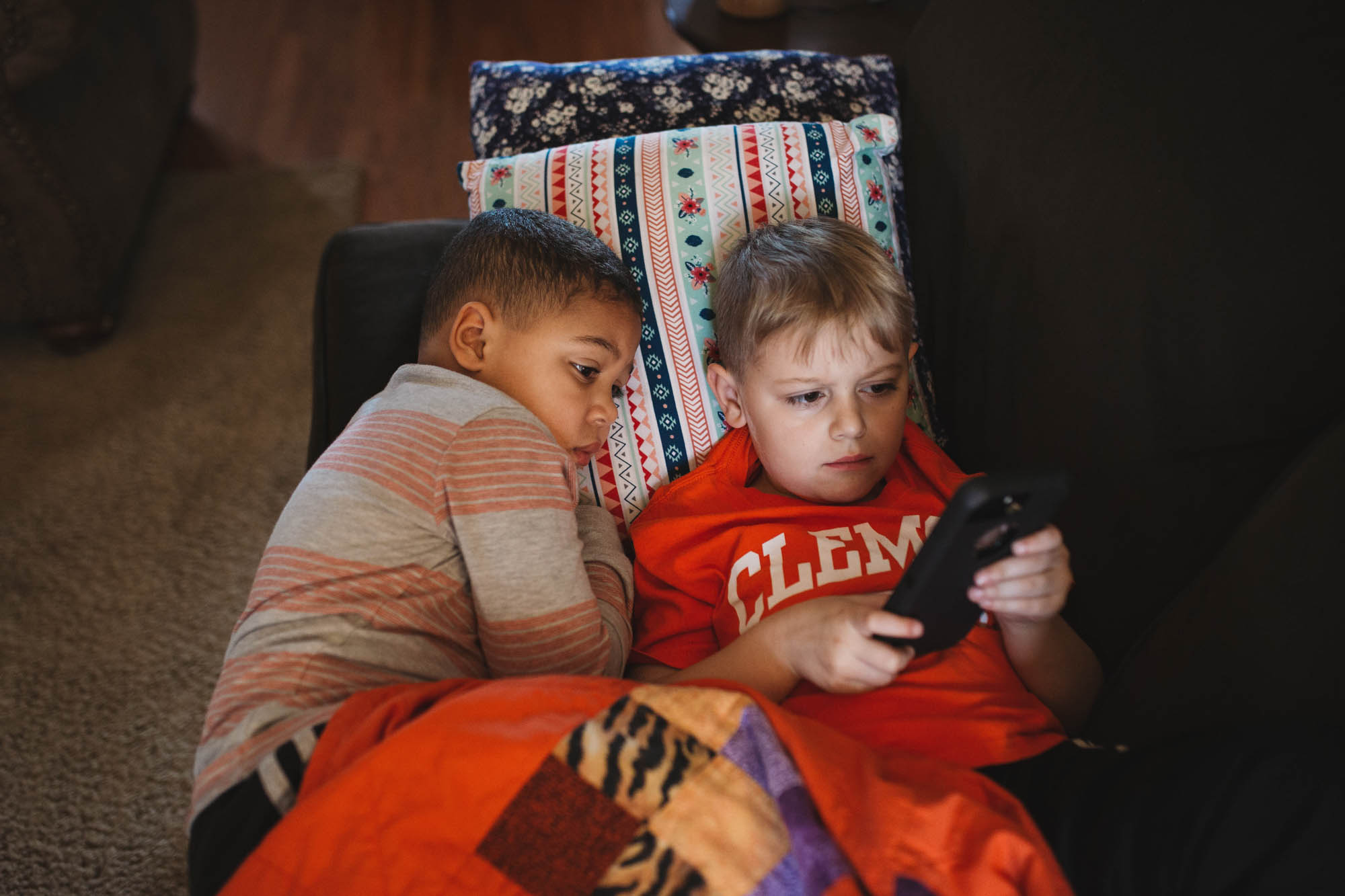
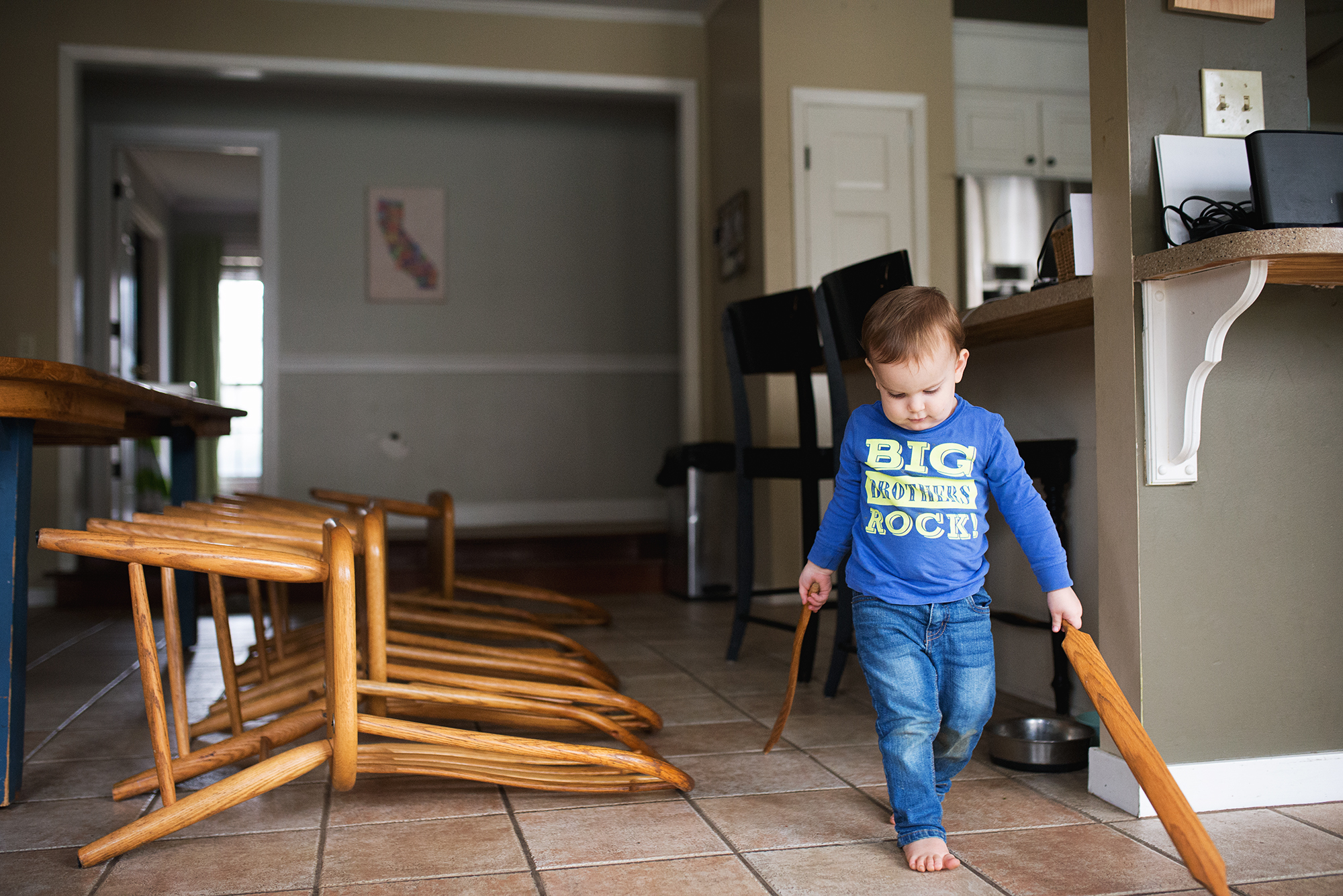
“Patience is the not ability to wait, but the ability to keep a good attitude while waiting.”
– Joyce Meyer
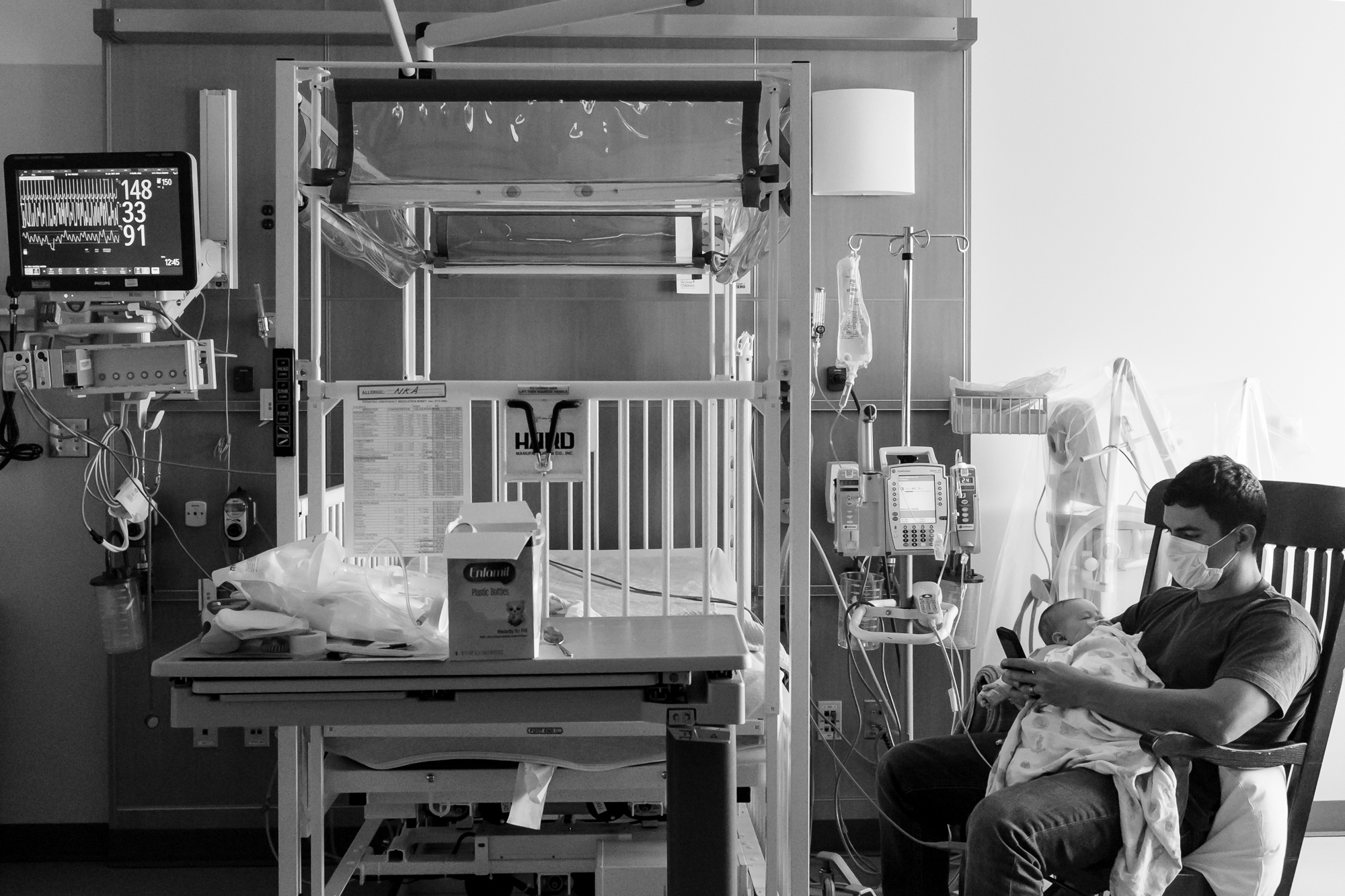
“Patience is the not ability to wait, but the ability to keep a good attitude while waiting.”
– Joyce Meyer
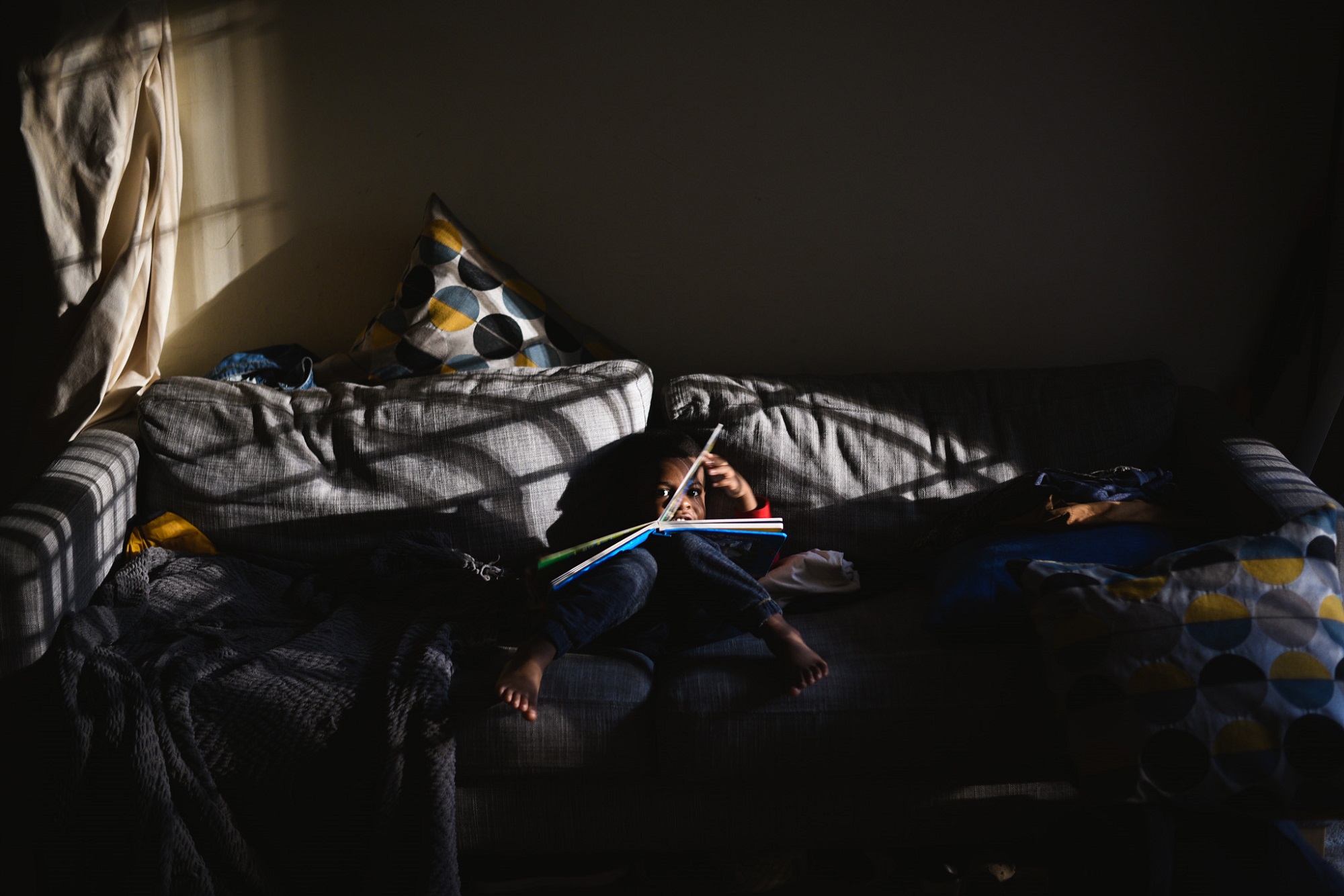
Let’s start this off with a good ole confession: I’m not as patient as I claim to be.
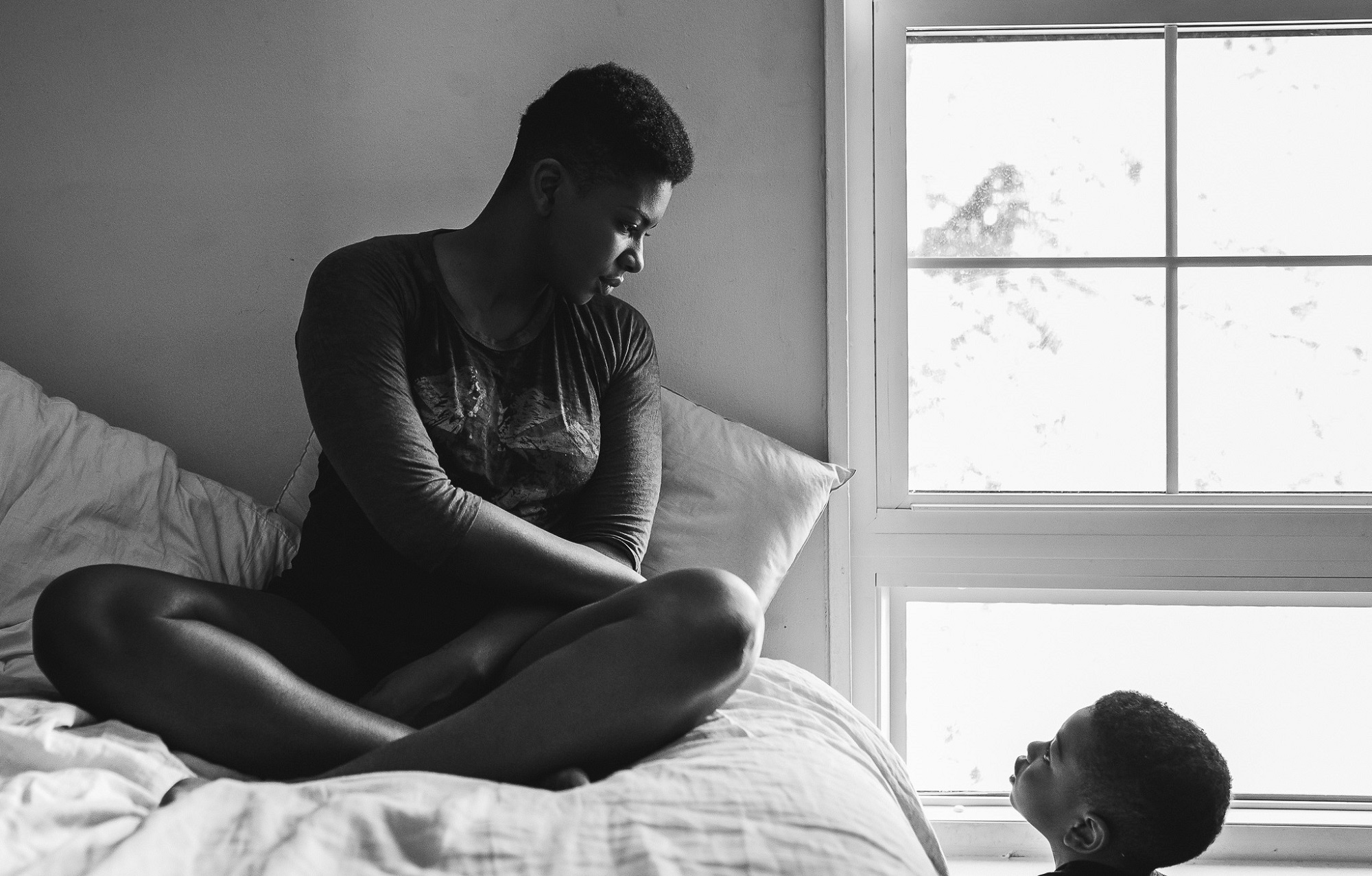 I grew up practicing patience. I learned it from my Dad, the most patient person I know. He does everything slowly and deliberately (my mom would say too slow!). I always admired that about him. When I was younger, I would ask him a question and it might take him 10 minutes to craft a response. He thought about what he wanted to say and made sure it perfectly represented him, always with a calm and soothing demeanor. I wanted to be like that too.
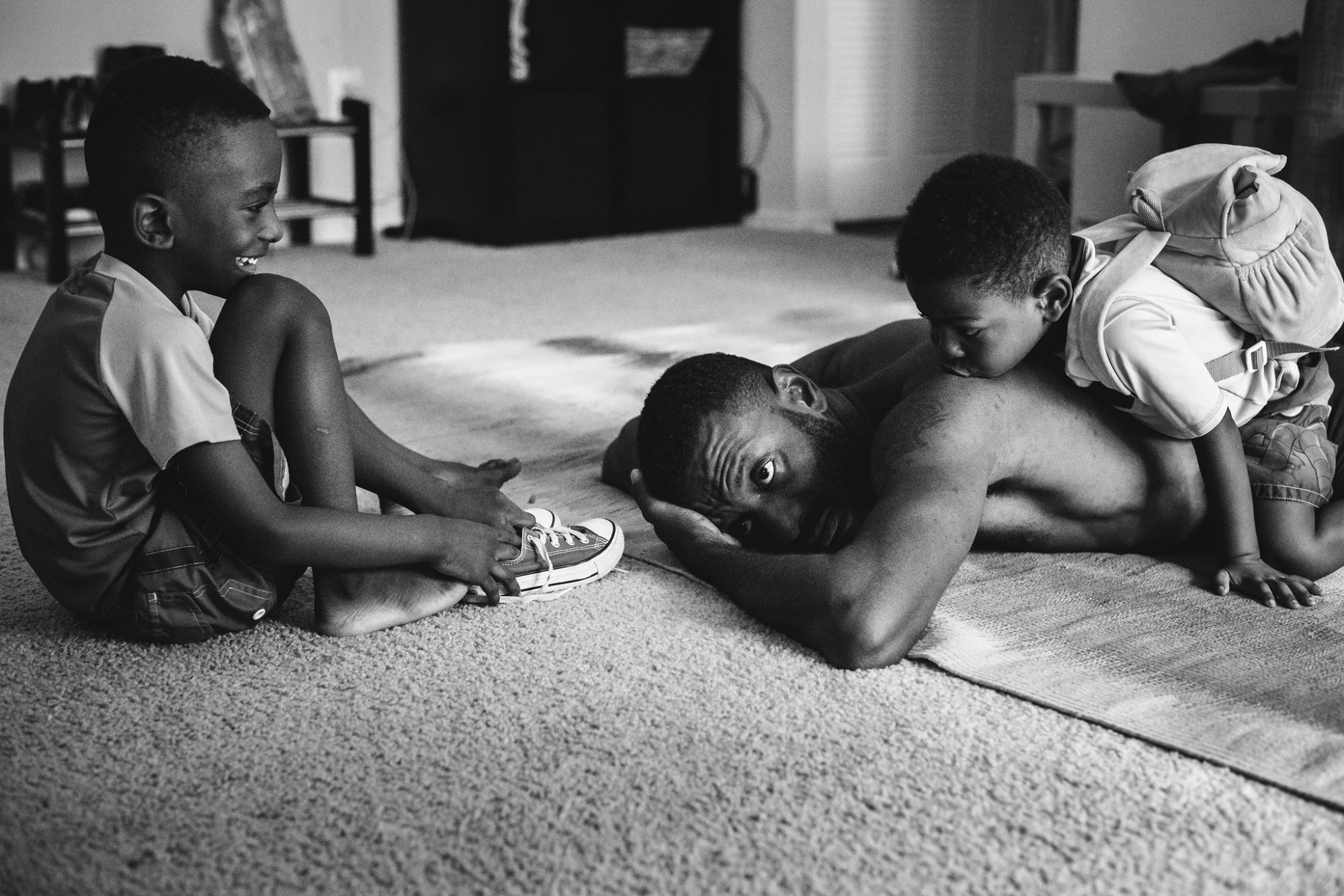 Fast-forward to having children and I knew my “patience” quality would take me very far. WRONG! Patience with kids requires practice and let’s just say, I haven’t been the best student. 🙂
I rediscovered patience during my photography journey.
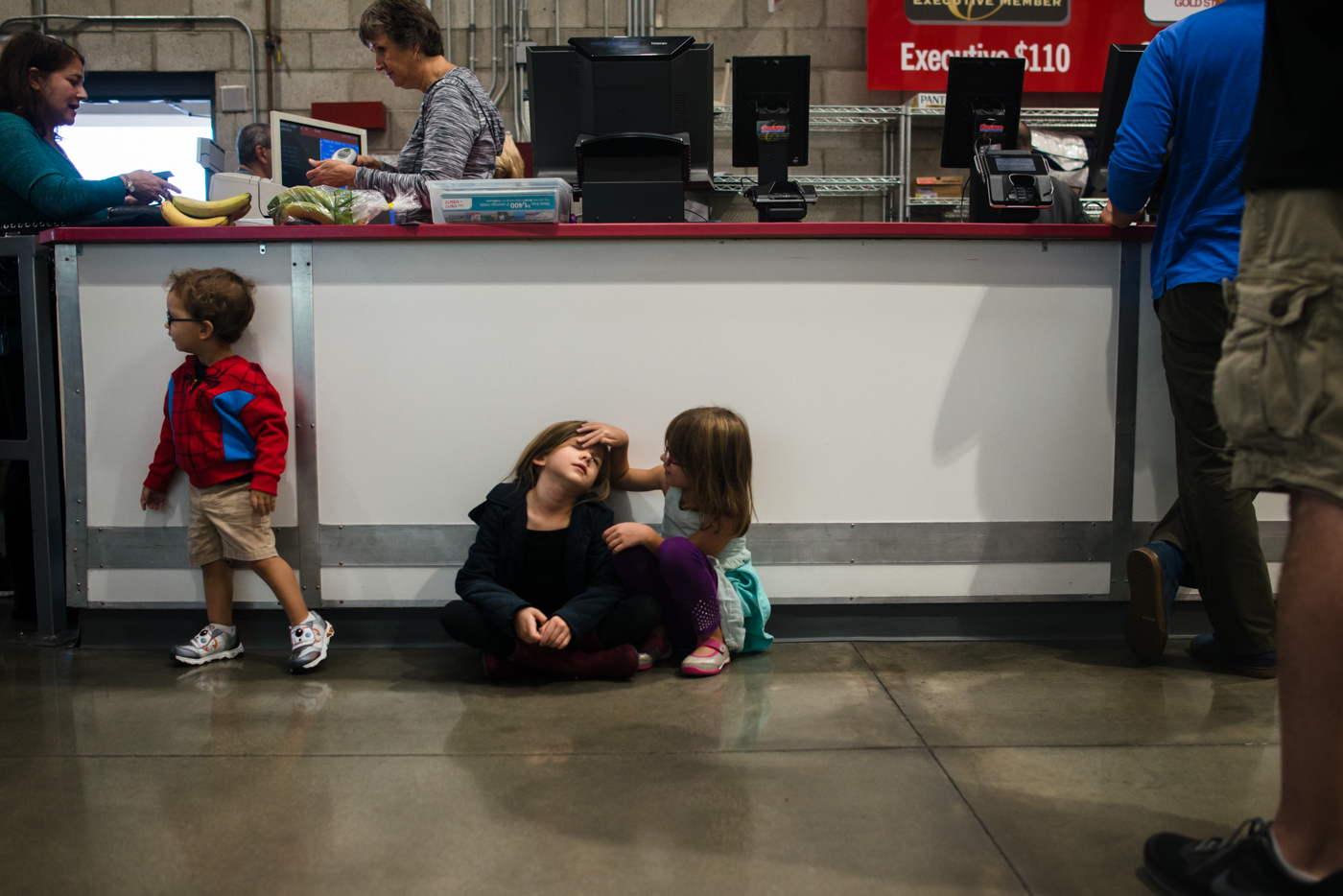
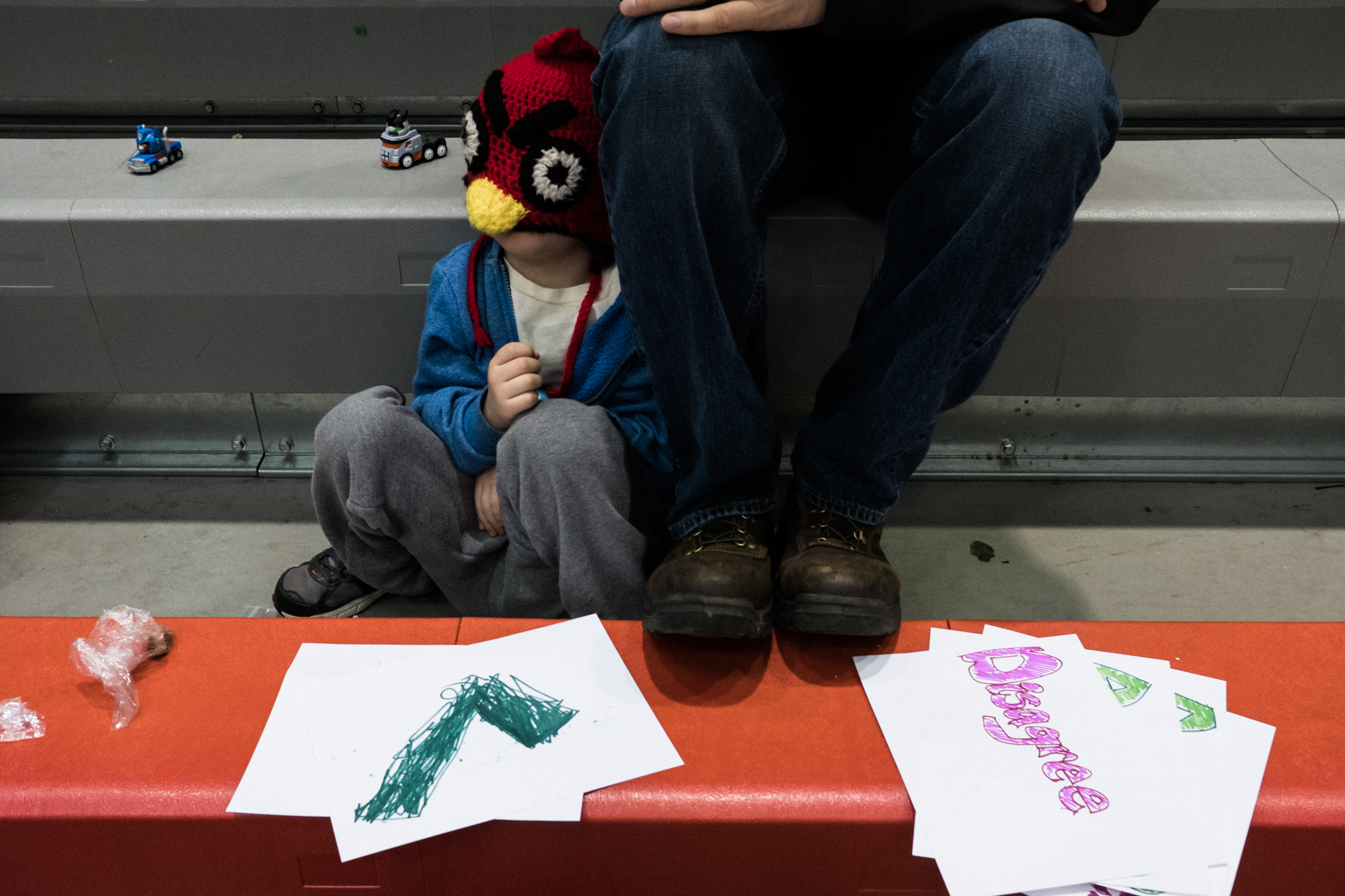
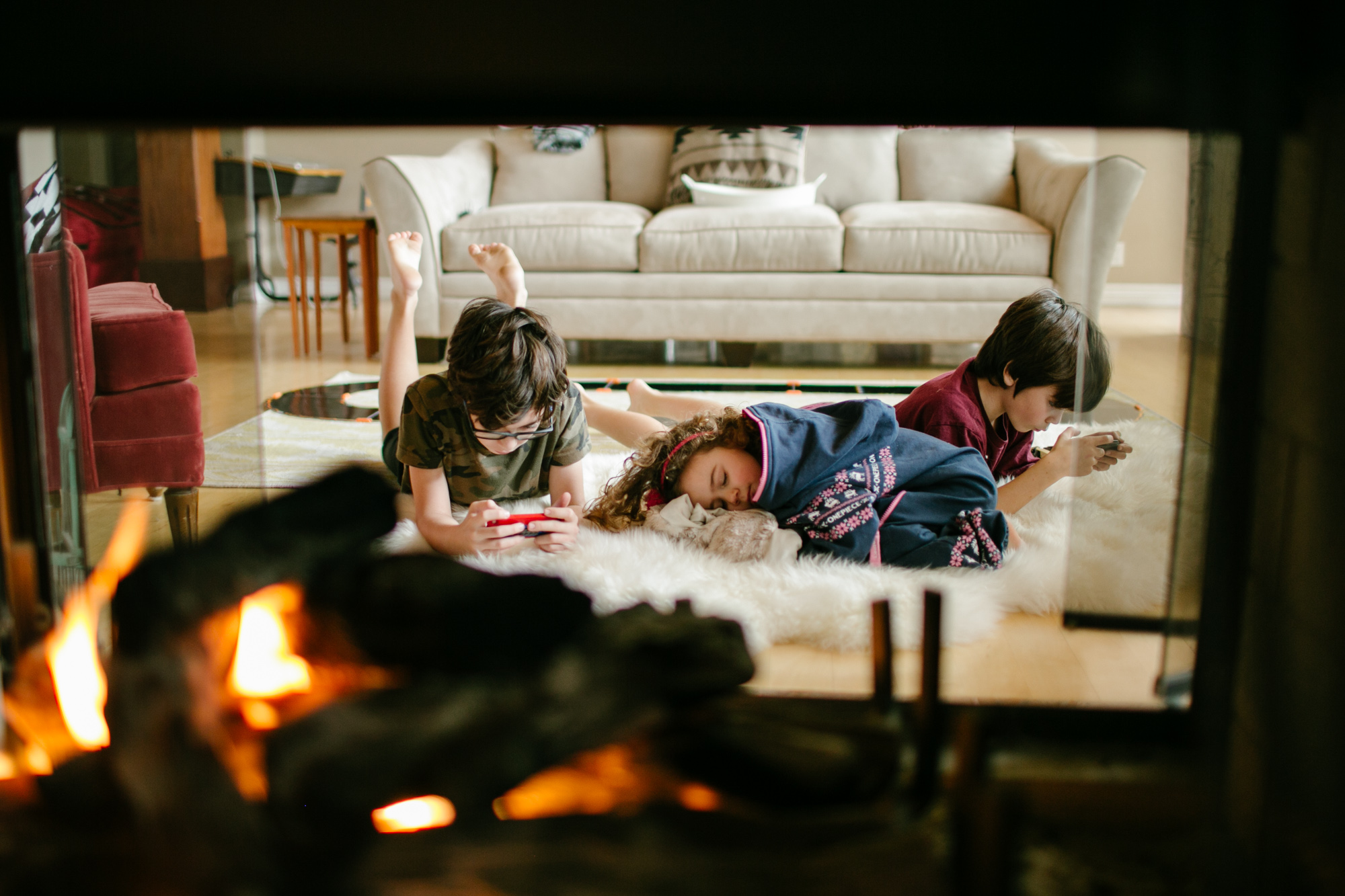
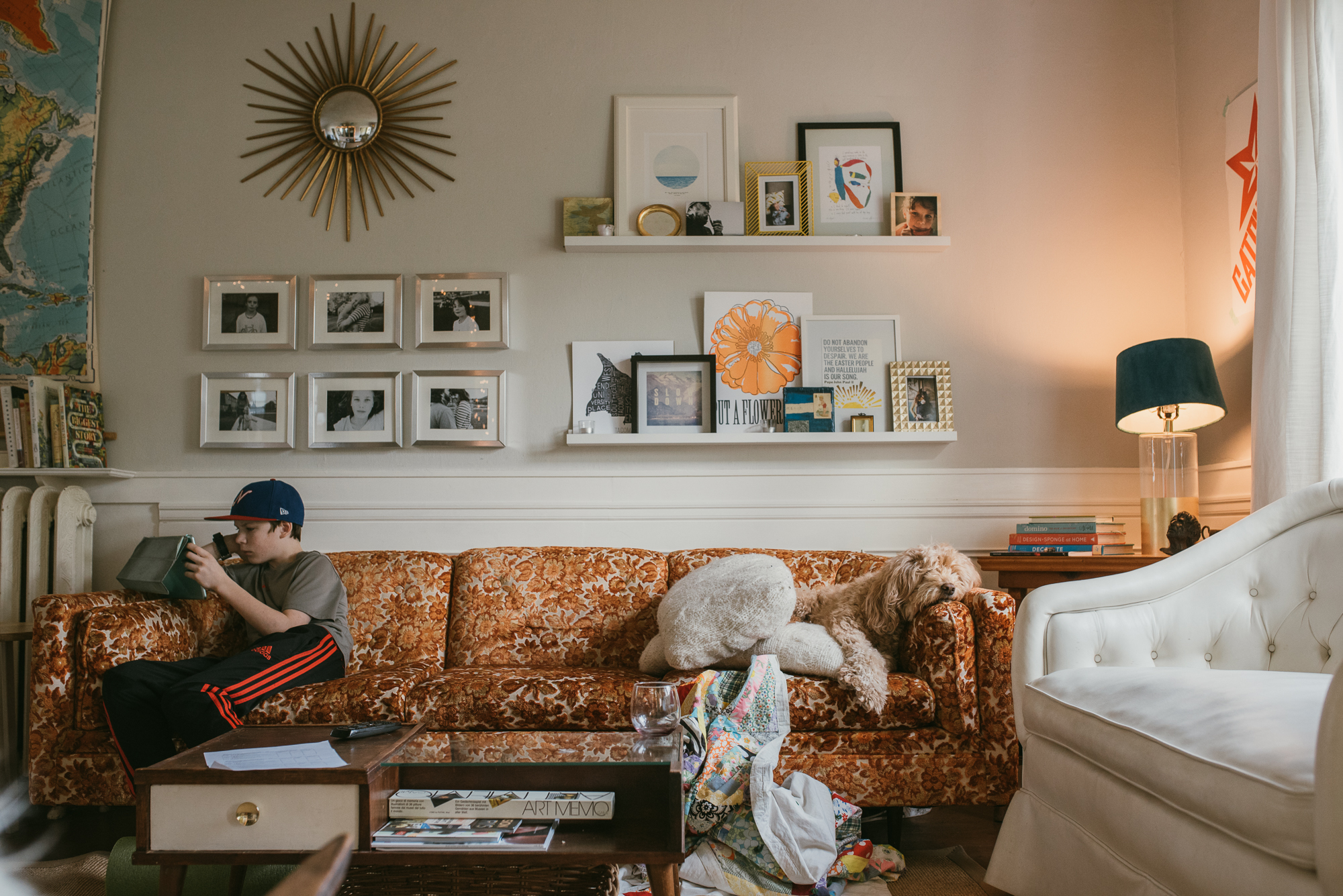
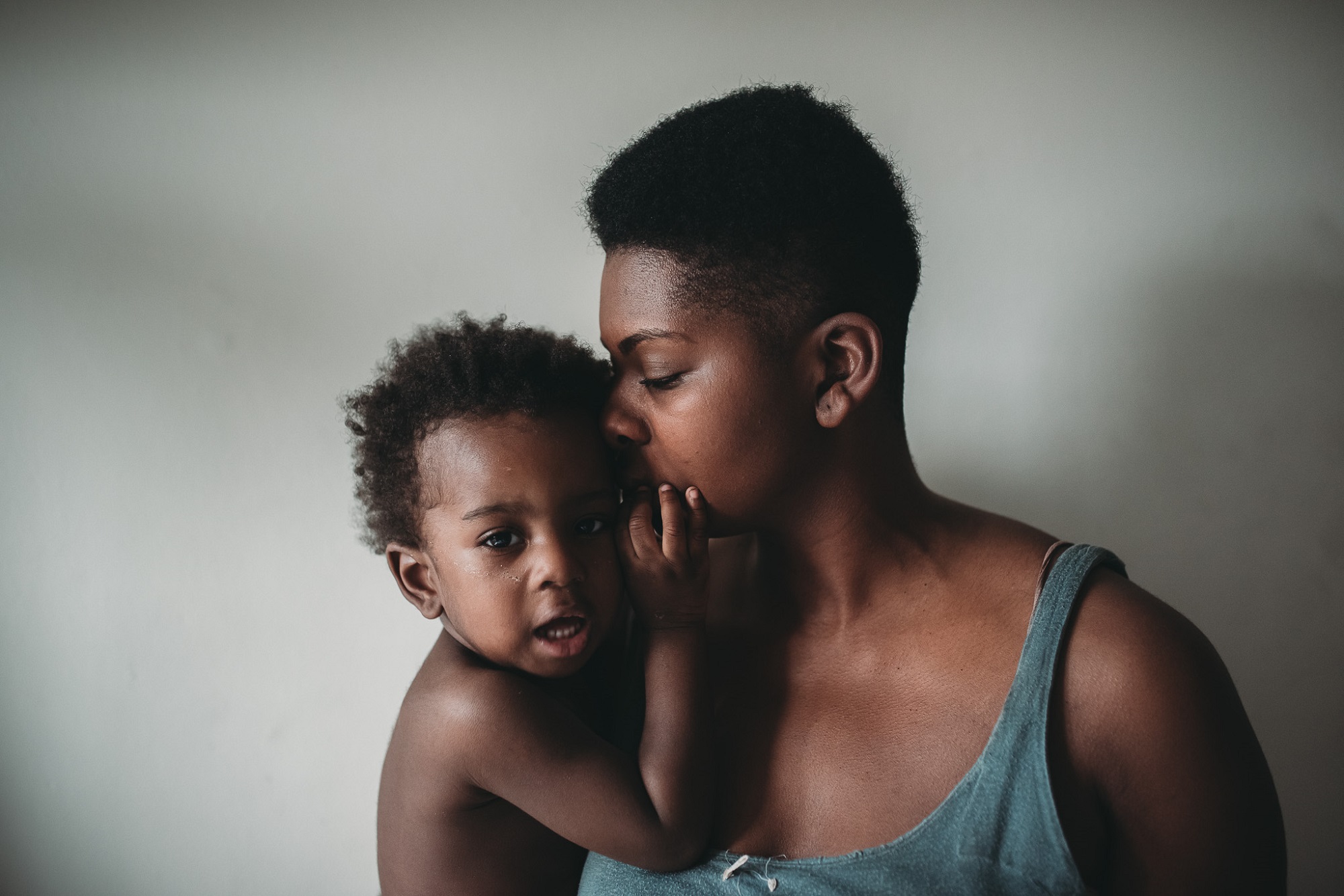 When you strip away some of the creative and technical aspects, the essence of creating a good photograph lies in waiting for something: the right lighting, a decisive moment, or an interesting composition.
Waiting is not something we have come accustomed to doing in this modern age where it’s all about speed, efficiency, and recognition. We try to rush the photographic process. With digital photography and social media it means we go out and take photos, get something we think we like, immediately process it, and upload it online. But a week or so later, we realize the photograph wasn’t as good as we thought it was.
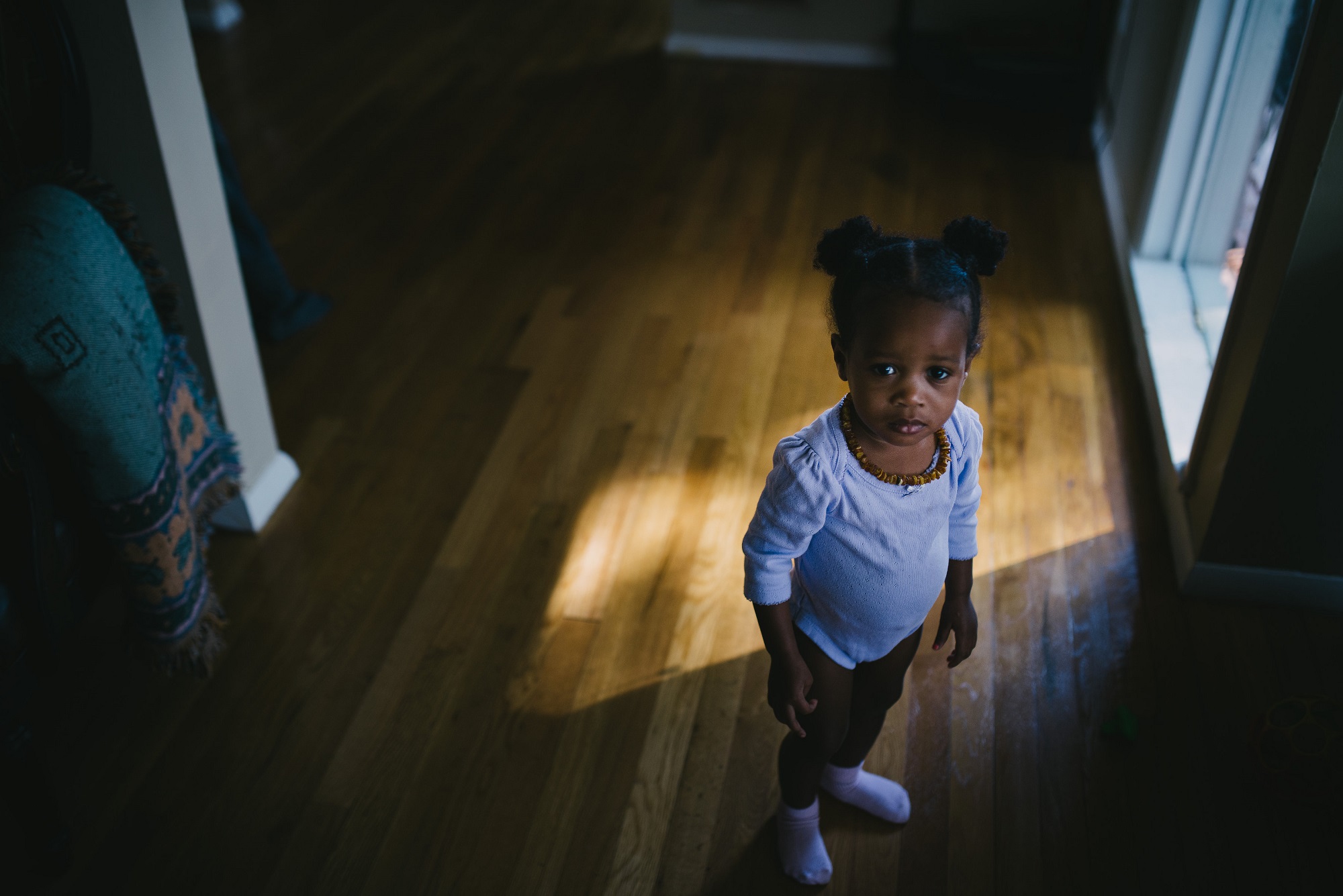 If you decide you want to pursue photography seriously, you learn that immediate gratification doesn’t always come.
The best option we have to become better photographers is to use time to our advantage.
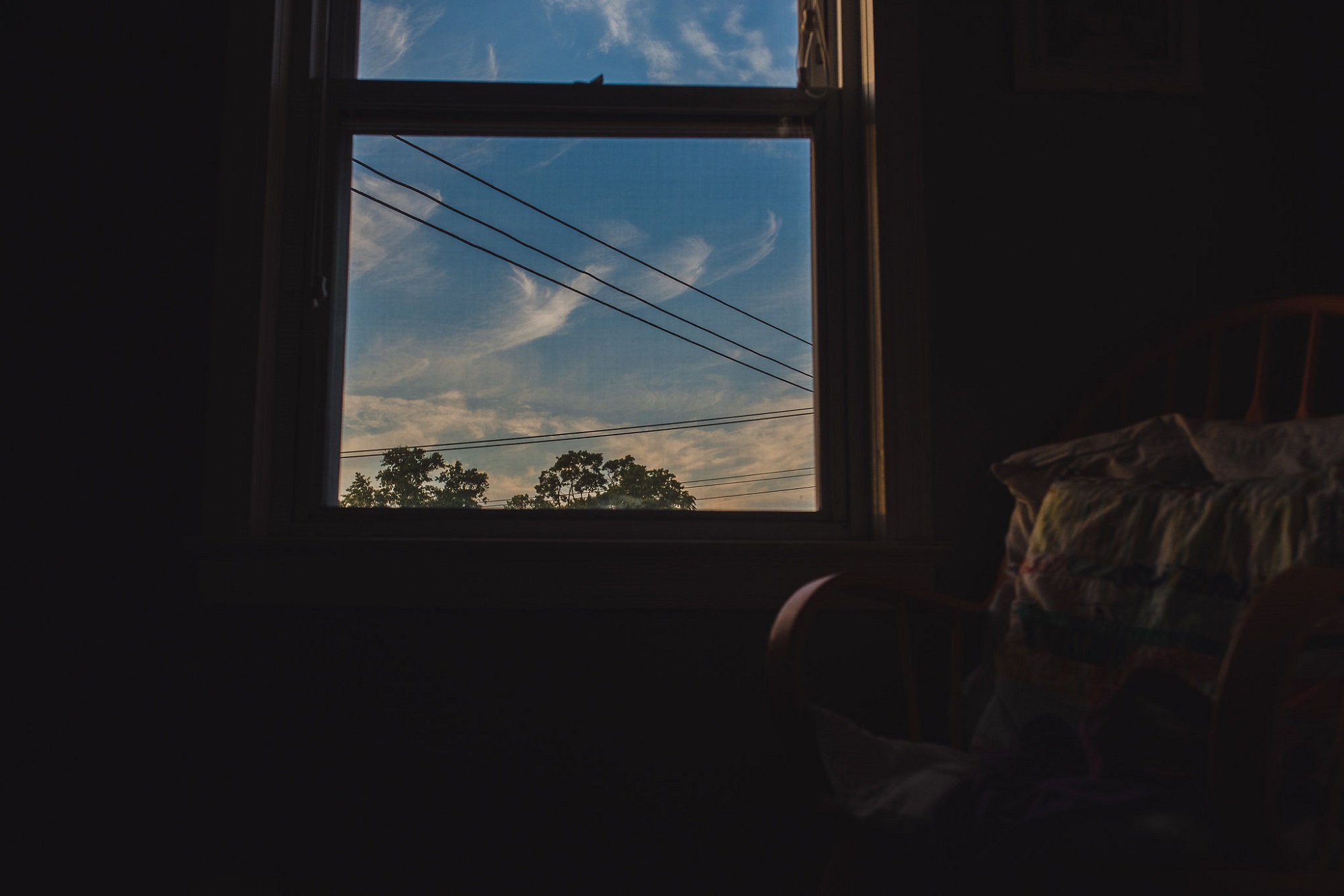 Here are a few ways I’ve learned to slow down in my journey and how they’ve helped me be a more patient artist:
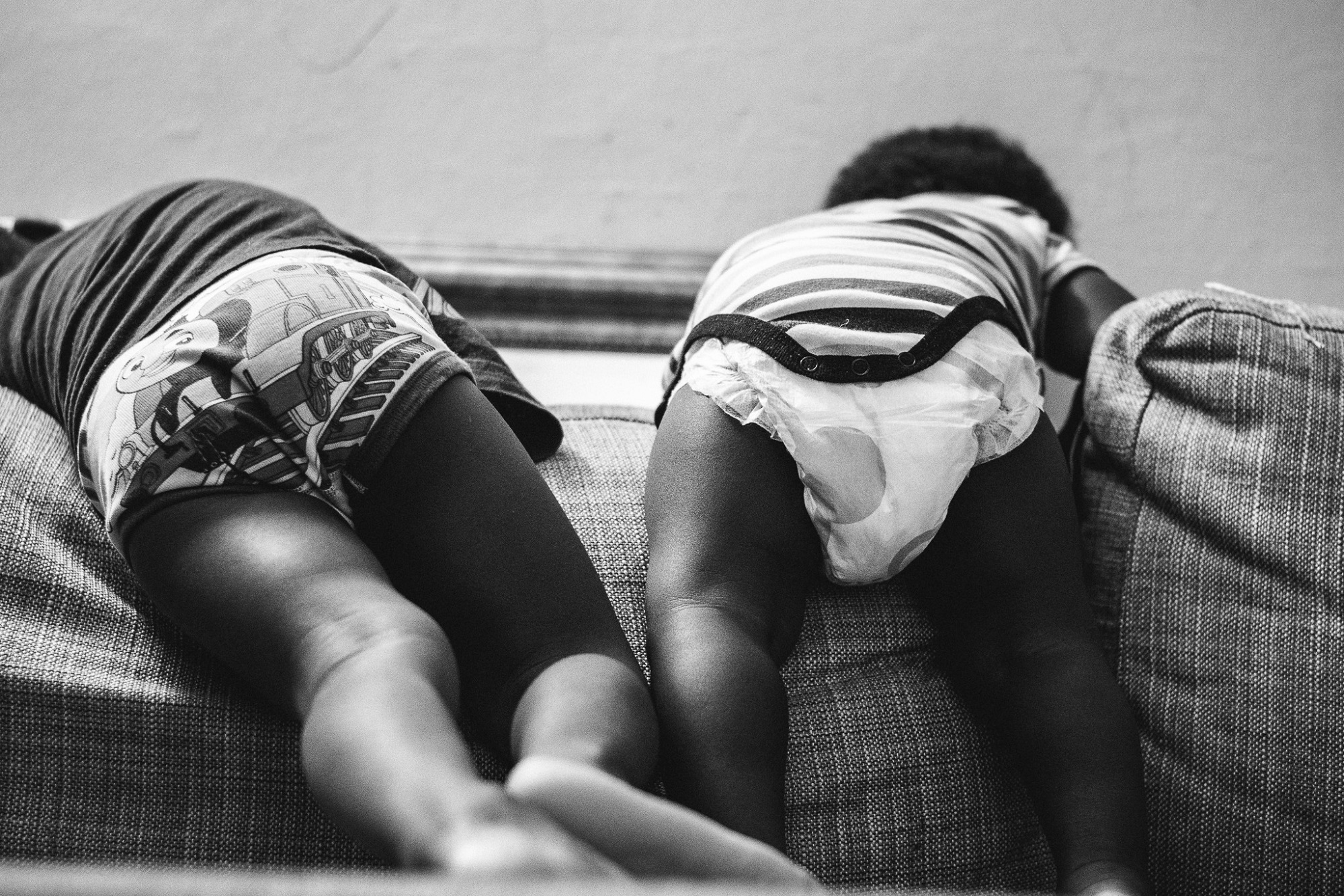 I keep my gear limited.
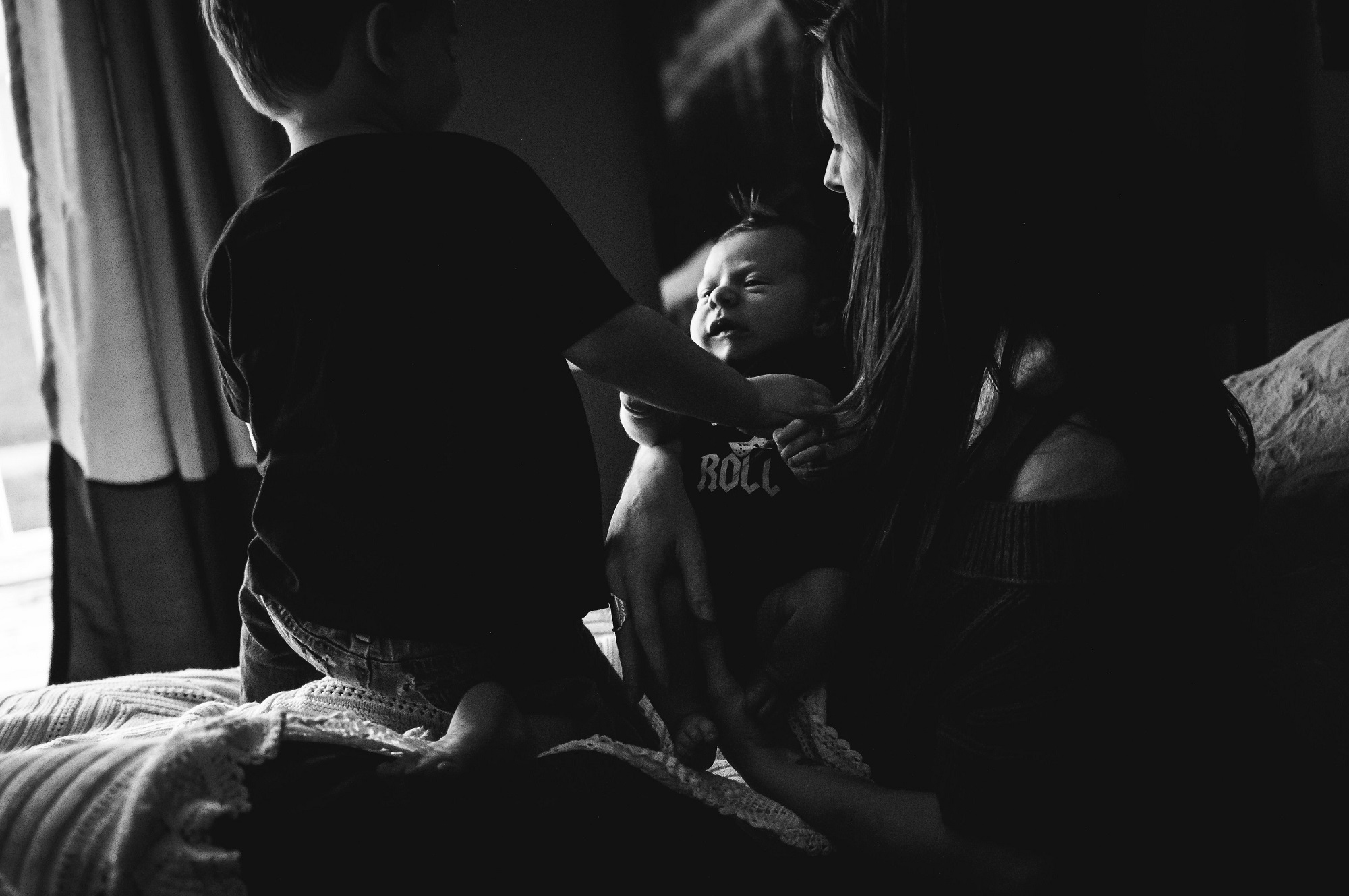 My current gear consists of the following of one full-frame camera (Nikon D750 and one prime lens, Nikon 50 1.8). That’s it. I have a backup camera, but I never use it. You don’t need a lot of gear to a be a good photographer. It’s about working with what you have. And in my opinion, it’s better if you start that process without having a lot of fancy gear to get in the way of what truly matters, the subject, and how you want to approach creating the image. It can be intimidating for me not having all the fancy gear that my peers have, but it’s not practical or cost-efficient for me to do right now. I rent lenses depending on the type of shoot. I’ve still been able to book clients, take images I love, and contribute to several photography groups with just one lens.
I don’t let the number of clients I have determine my value.
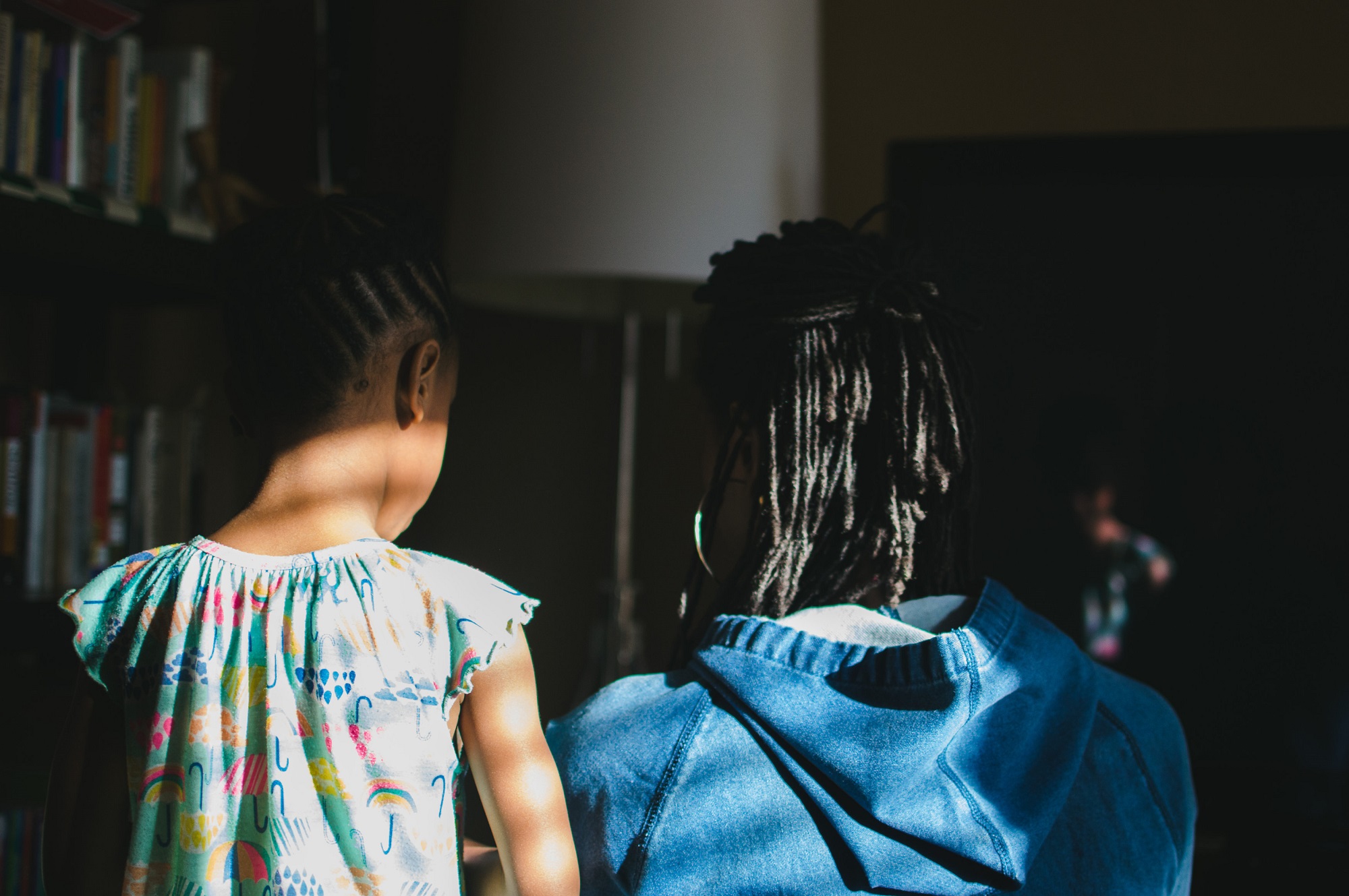 Clients don’t equal talent. Did you have one client that you loved to shoot this year? Celebrate that! Continue to hone your skill and find the people who appreciate your vision. ’As long as you are working with people who love your work and are willing to pay your price, you can have a successful business with fewer clients.
I choose education carefully.
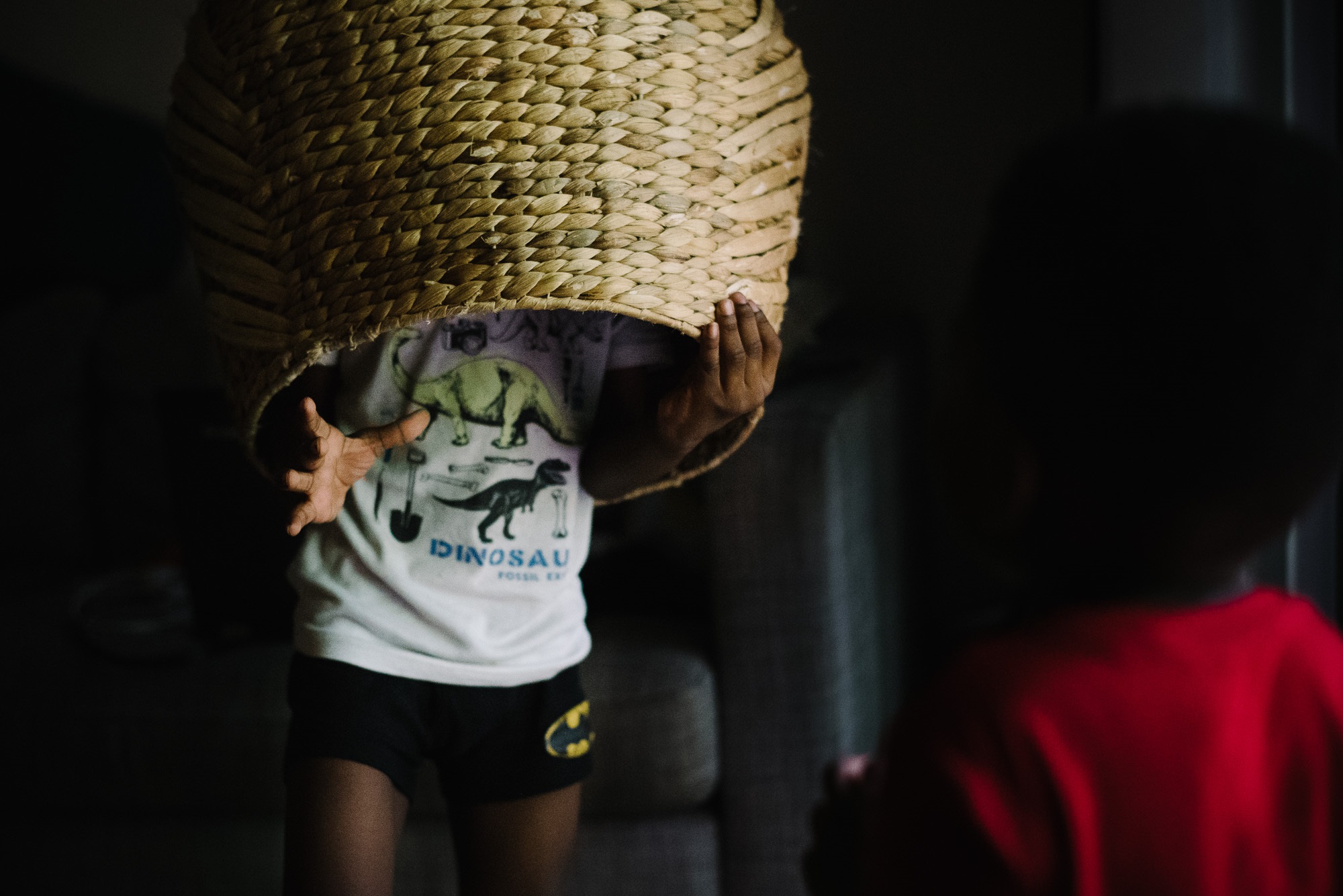 So, this is something I had to learn the hard way. There are so many options for education now. You can go the traditional route at a college or university or be self-taught like myself. But, if you want to take your art to the next level, you have to invest in education. I wasted a lot of money in the beginning buying presentations, online workshops, and e-books that all shared the same information. I didn’t know what to choose and it can be overwhelming to weed through the vast list of options… all claiming to help you master a certain skill. Now that I’ve been around the block a few times, I go about education choices differently. I thoroughly research any instructor, what they are offering, and how it will help me. I set a budget for education and focus on learning a skill where I feel I have a weakness. Remember, no mentorship, new shooting concept, or preset can help you be a better photographer if you haven’t learned the basics and done some internal digging about the type of photos you want to make. Once you figure that out, your images will speak for themselves and you will have a better idea of what you want to learn.
I make time for reflection.
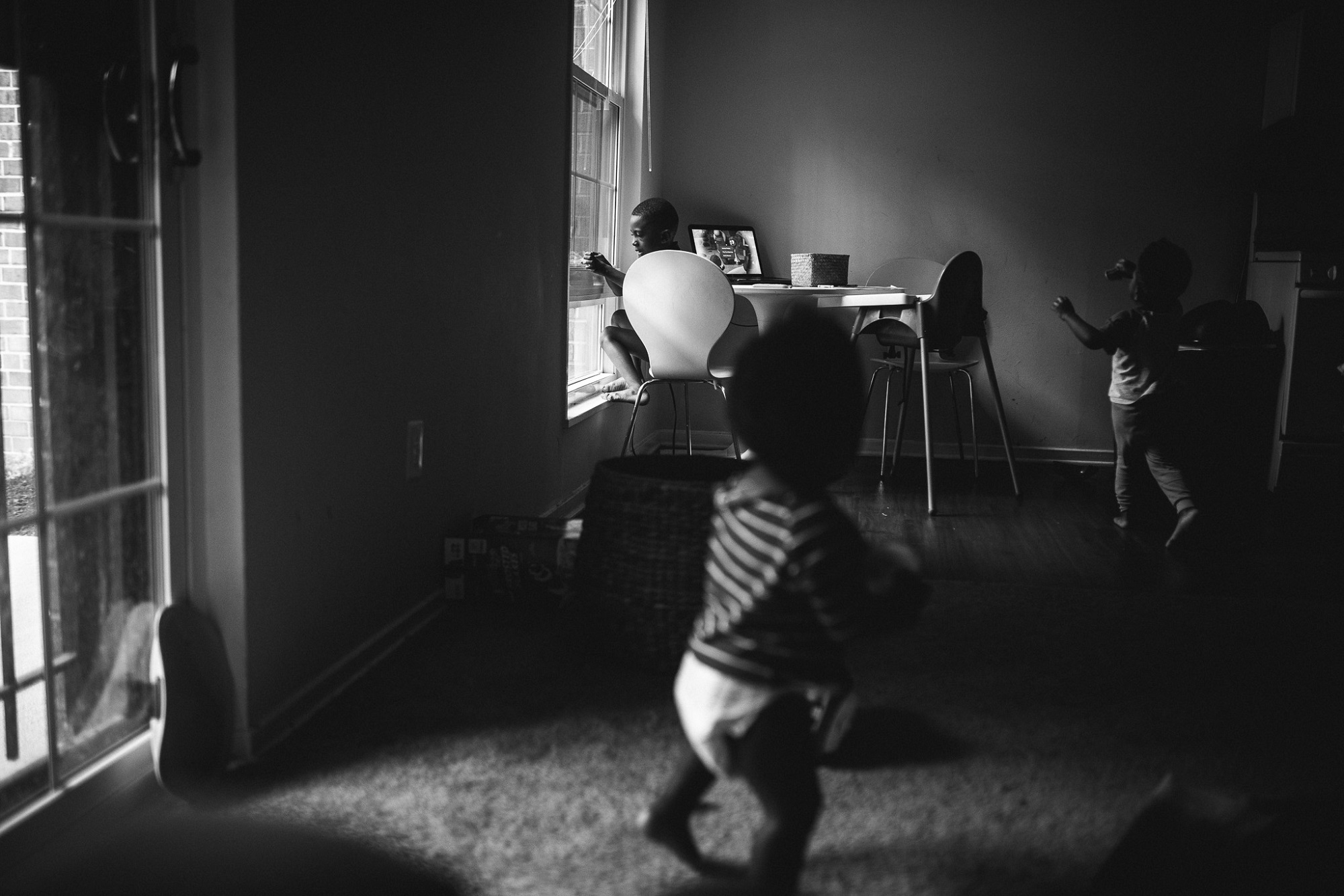 I like to look back old photos and appreciate how much I’ve grown. I hope you do that as well. Congratulate yourself and celebrate your accomplishments! The highlight of my personal growth as a photographer came as I started to reflect less on the images and really started to focus on the reason why I take photos. I’ve learned that I love photographing light and shadow, quiet moments, emotional connection, joy, and individuality. Now that I know that, I immediately see those things and don’t have to try as hard as I used to do to create an interesting photograph.
I trust the journey.
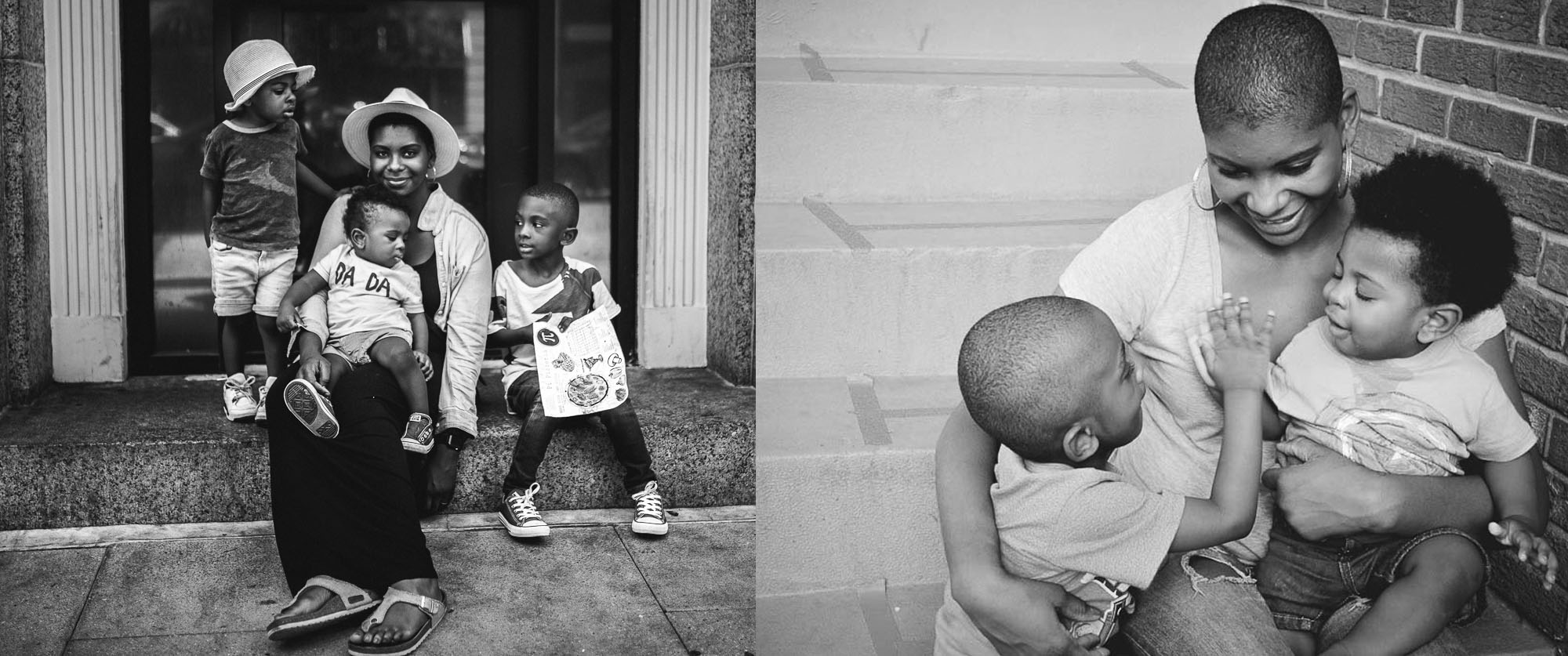 I have a full-time job, a family and countless other personal obligations. I am not working to be a nationally acclaimed portrait artist. I simply don’t have the time to devote my every waking moment to learning the craft, so, I don’t. I fit photography into my schedule and I make time for it because it’s important to me. This might mean I have three hours in a month to practice a new skill or that I might be a bit rusty after picking up my camera after a week of rest.
My journey being a photographer is whatever I make it and I’m happy to do it slowly and deliberately, just like my Dad taught me.
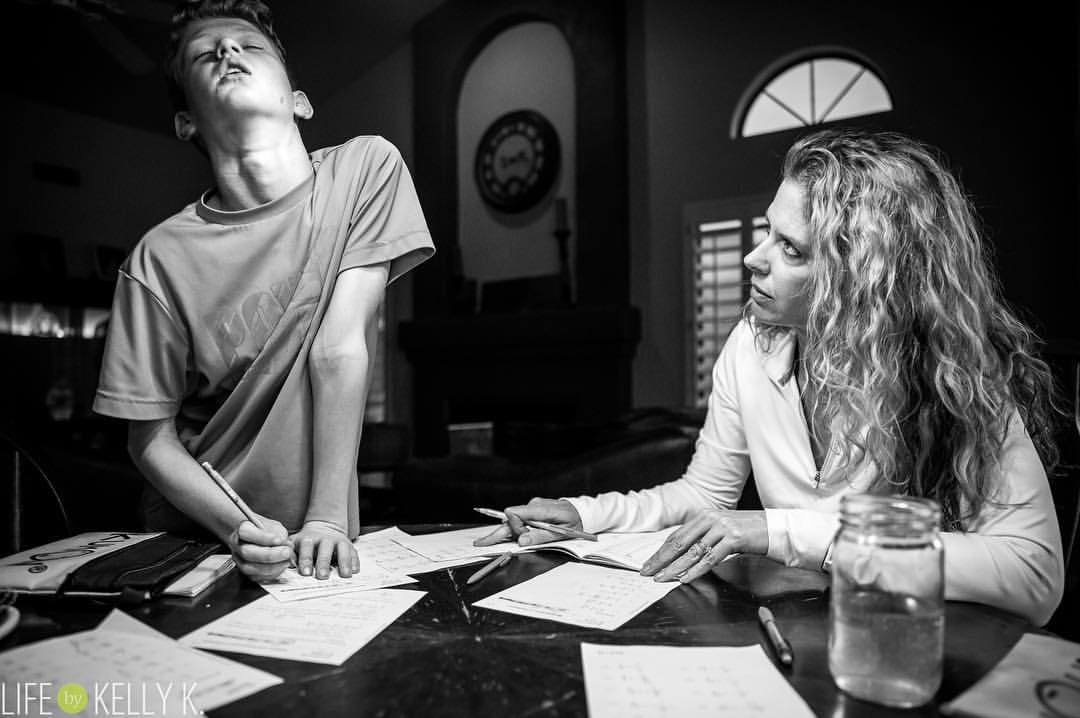
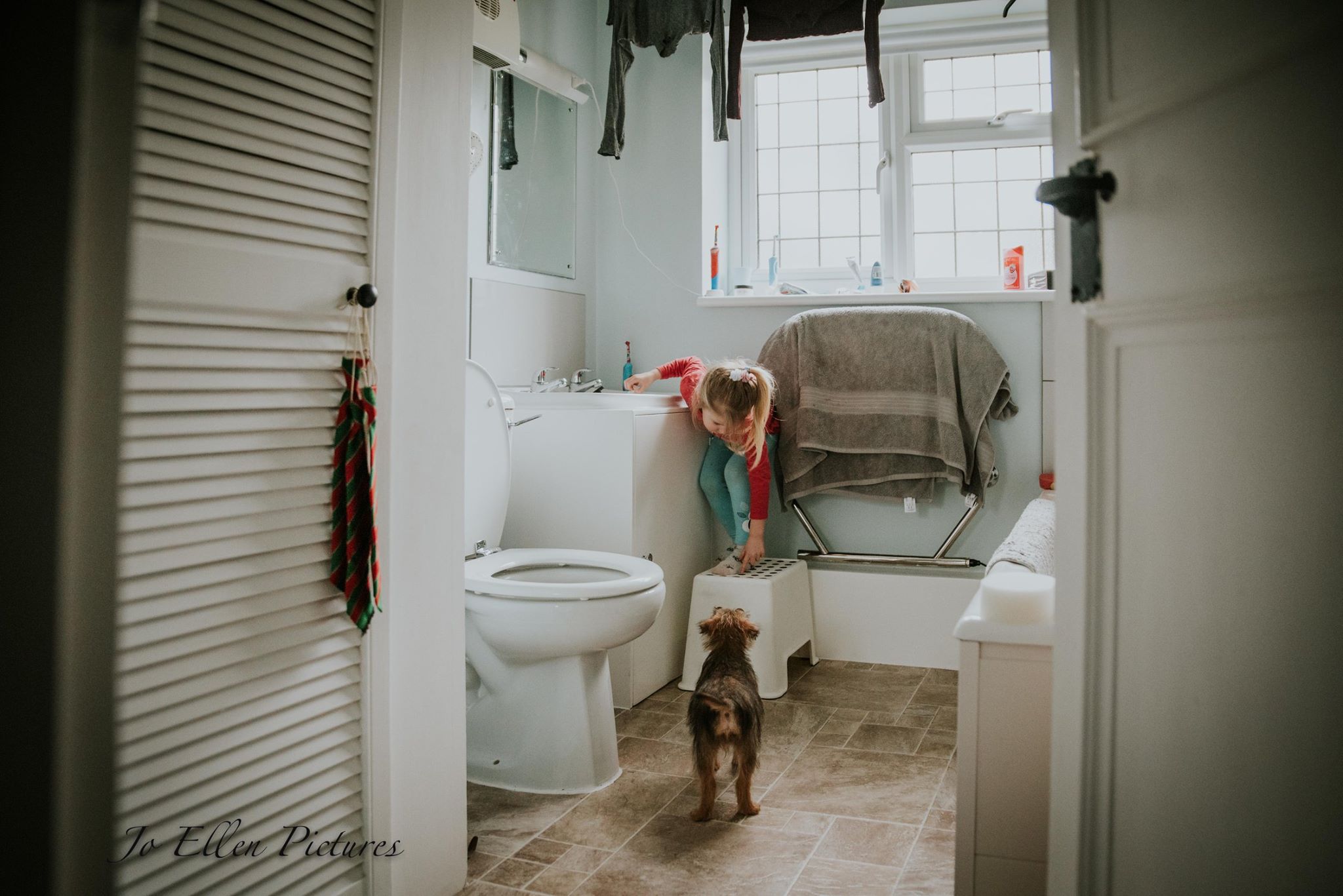
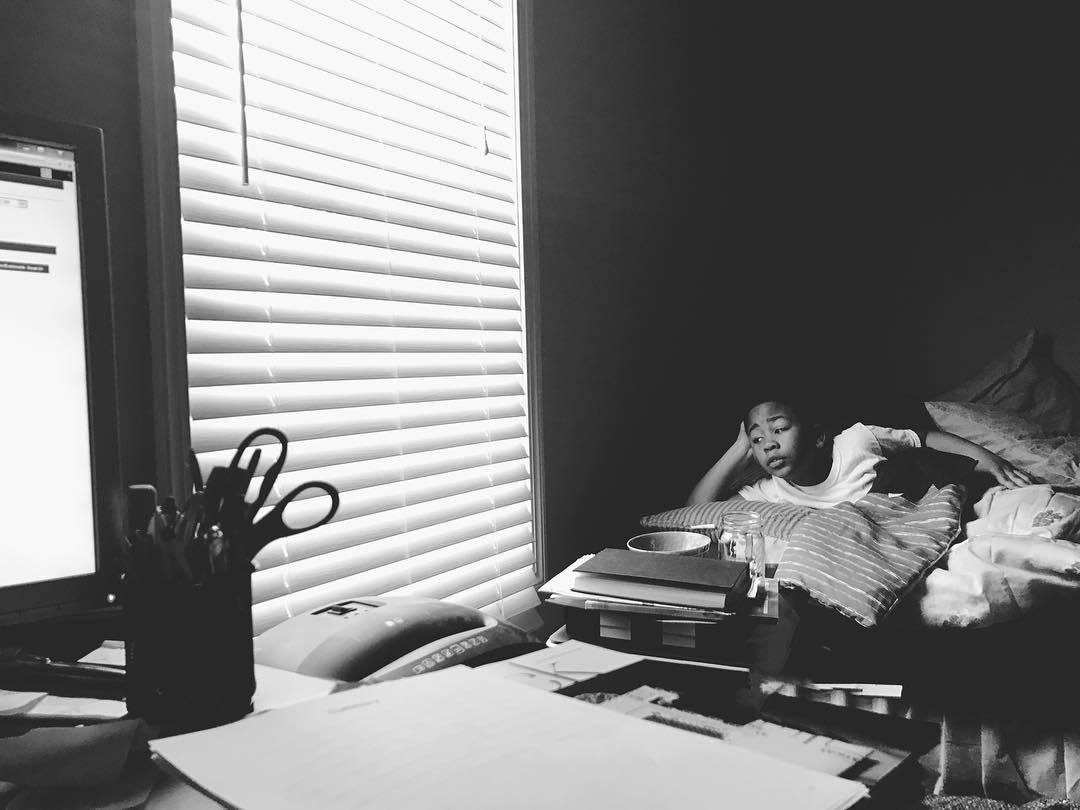
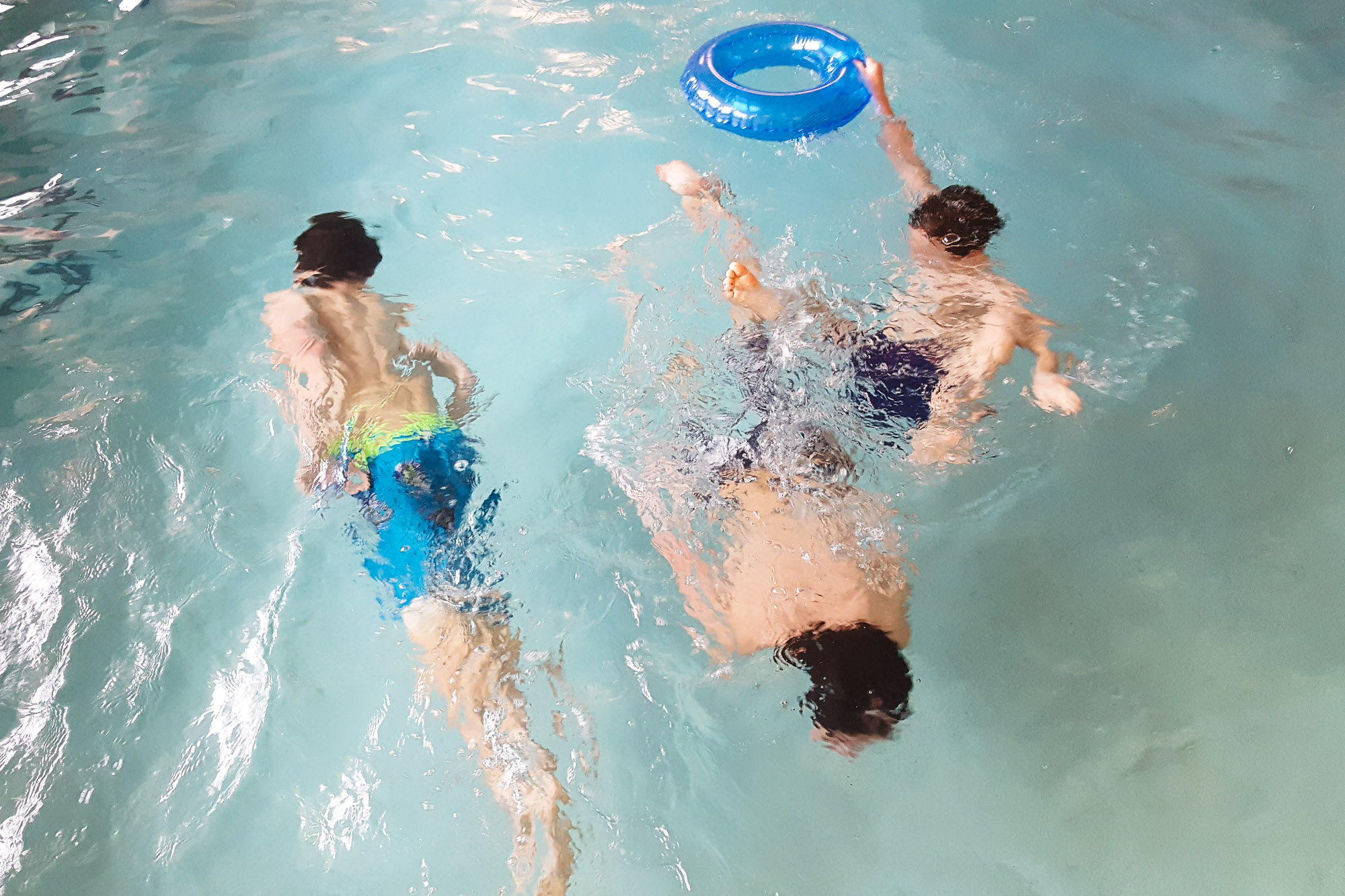
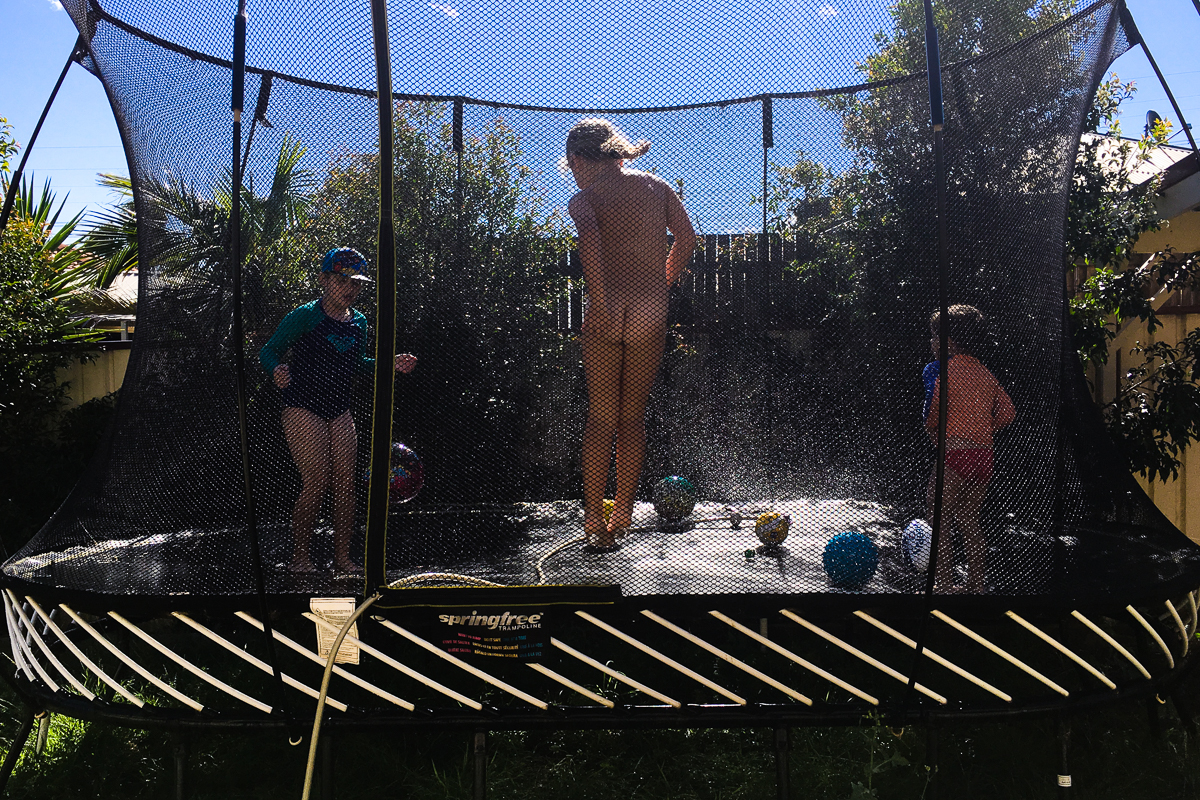
Thank you so much for all you February submissions! We loved seeing all your documentary family favorites. This month’s top honor goes to Life by Kelly K. Make sure to stop by her page, and the pages of all our Top 5 artists to check out more of their wonderful work.
*****
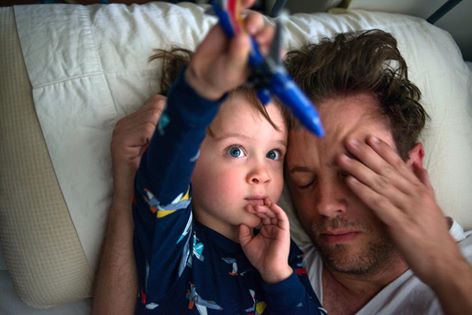
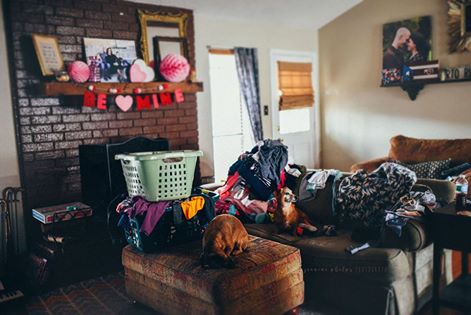
*****
To see your photo here next month post your favorite documentary family images directly to our Facebook timeline. A new feature we will have starting next month is a round up of our favorite images from our Instagram feed! Use the hashtag #shamoftheperfect for a chance to be featured on IG.
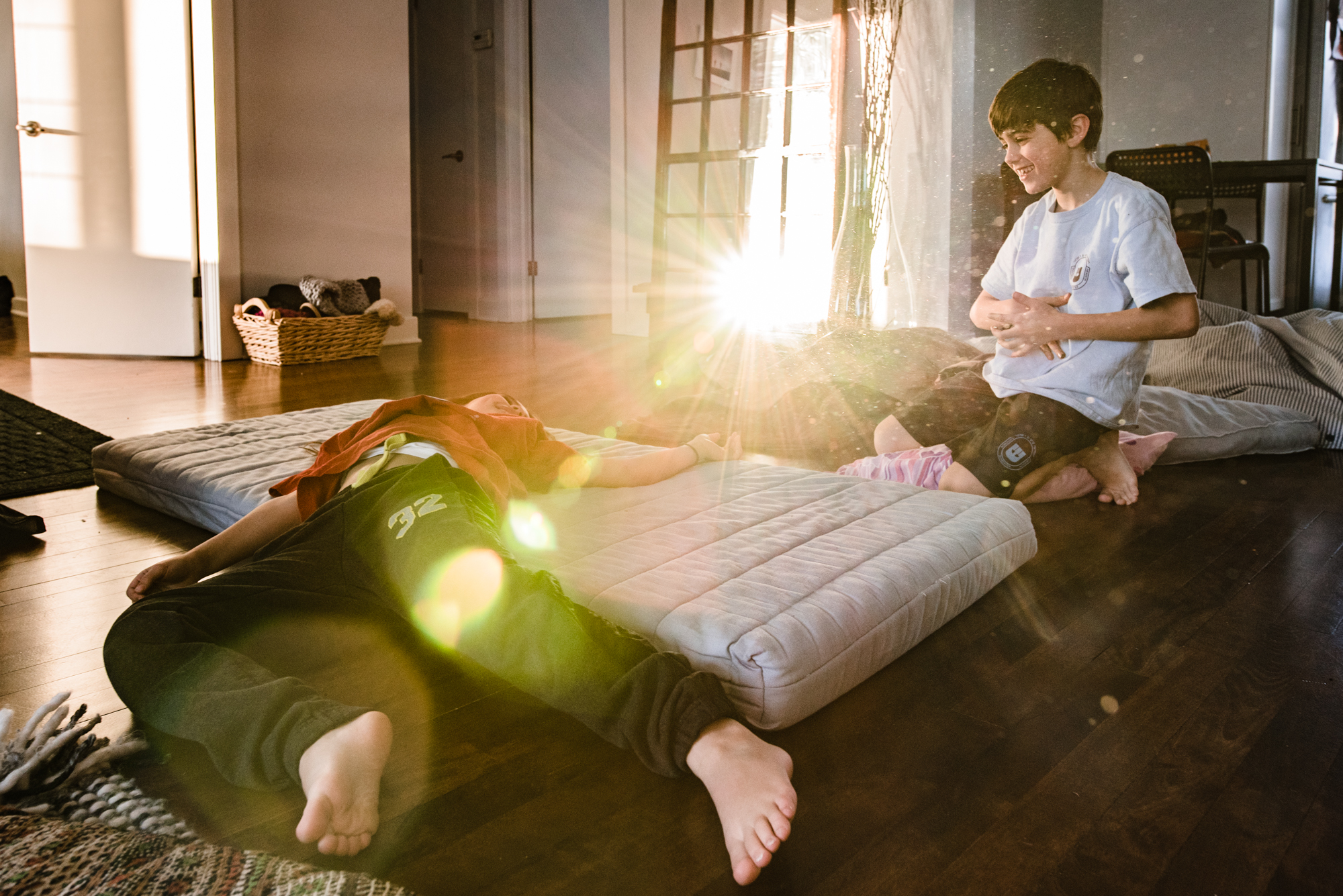
“If you can dance & be free and not be embarrassed, you can rule the world.”
– Amy Poehler
Today we are featuring artist, Colleen Adams, who has recently shifted into shooting more documentary work. She says the shift in her thinking came after being asked to photograph a baby blessing and finding herself truly enjoying the photojournalistic aspect of that session. As she explains she found herself “yearning to be a witness to what is real and document what I witness.” You can follow up with Colleen on her website or Facebook. Here’s what she had to say to our contributors:
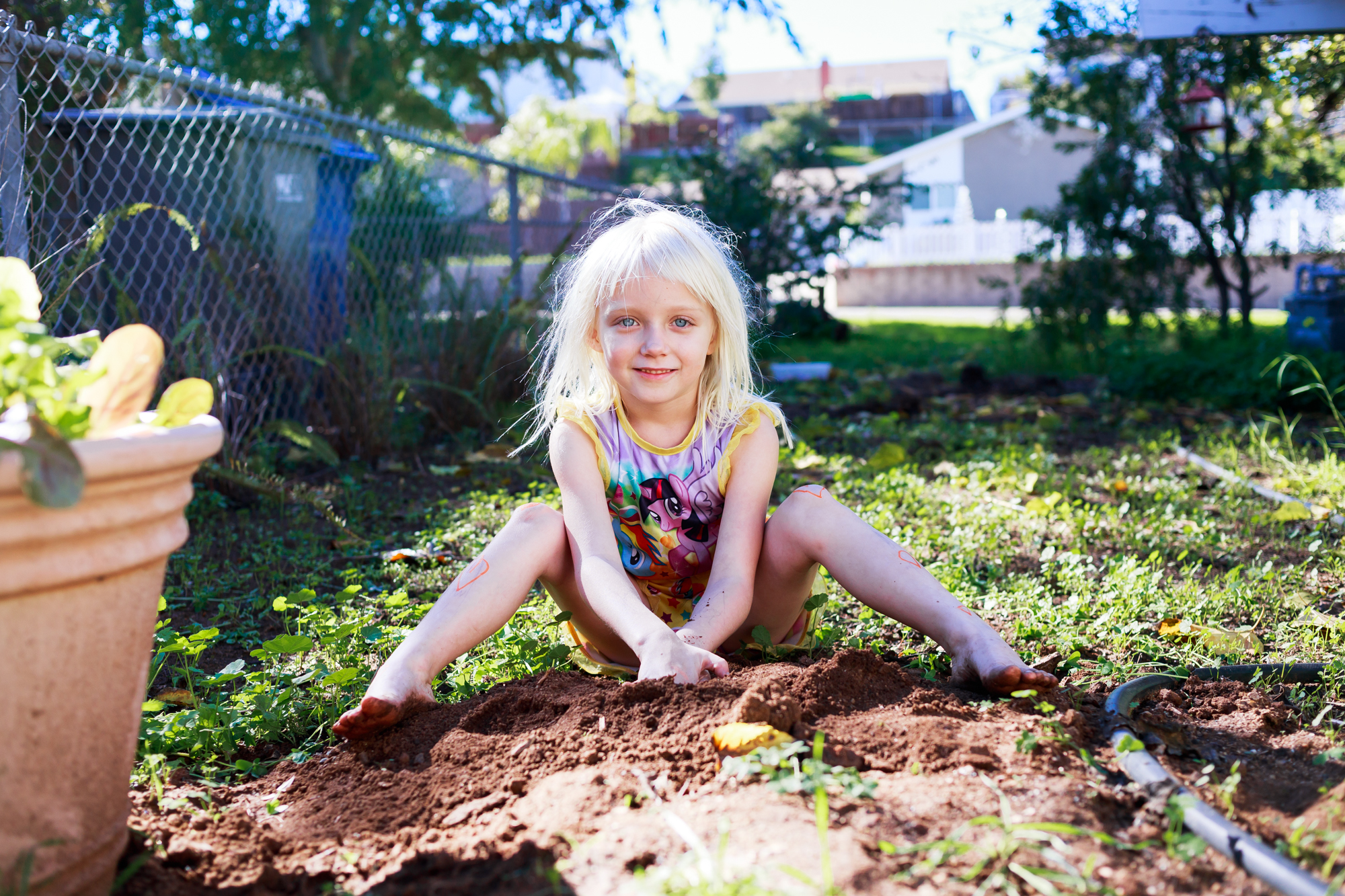
Celina: You mention creating a connection with your clients, how do you go about? Do you send a questionnaire? Chat beforehand? Also, how do deal with a session when that connection isn’t made?
My first contact with many clients is email. I don’t have an official questionnaire, but I think that is a great idea! I usually ask questions about their family and what they are looking for in a photo session. Also, I offer to answer any questions. I am an empath and an extrovert and able to connect with all kinds of people very easily. I find most families are slightly frazzled and a bit worried about how their kids are behaving during a photo session. I respond with compassion. I offer lots of breaks. I assure parents that their children are amazing because I really believe all children are incredible works of art, even in their most challenging state. I come to a session with very little expectations. My only goal is to capture the personalities of the people I am photographing. I find the easiest way to do this is to have no agenda. I just meet people where they are at.
As far as technique for connecting with clients, I use conversation as an icebreaker. I make small talk, I joke, I ask questions. I try to surprise them to make them laugh. This work is sacred to me; people are allowing me to really see them. It is my honor to observe, wait and exercise patience. I hold a safe place for them to be themselves. In turn, I capture authentic images.
I have yet to have a session where a connection wasn’t made at all. I have had a few reluctant husbands, but even the most reluctant husband warms up when I tell them the session is almost over! Not every session is as natural as I would like, but I accept that. You cannot make everyone comfortable being themselves in one short photo session. It’s a life-long work for some.
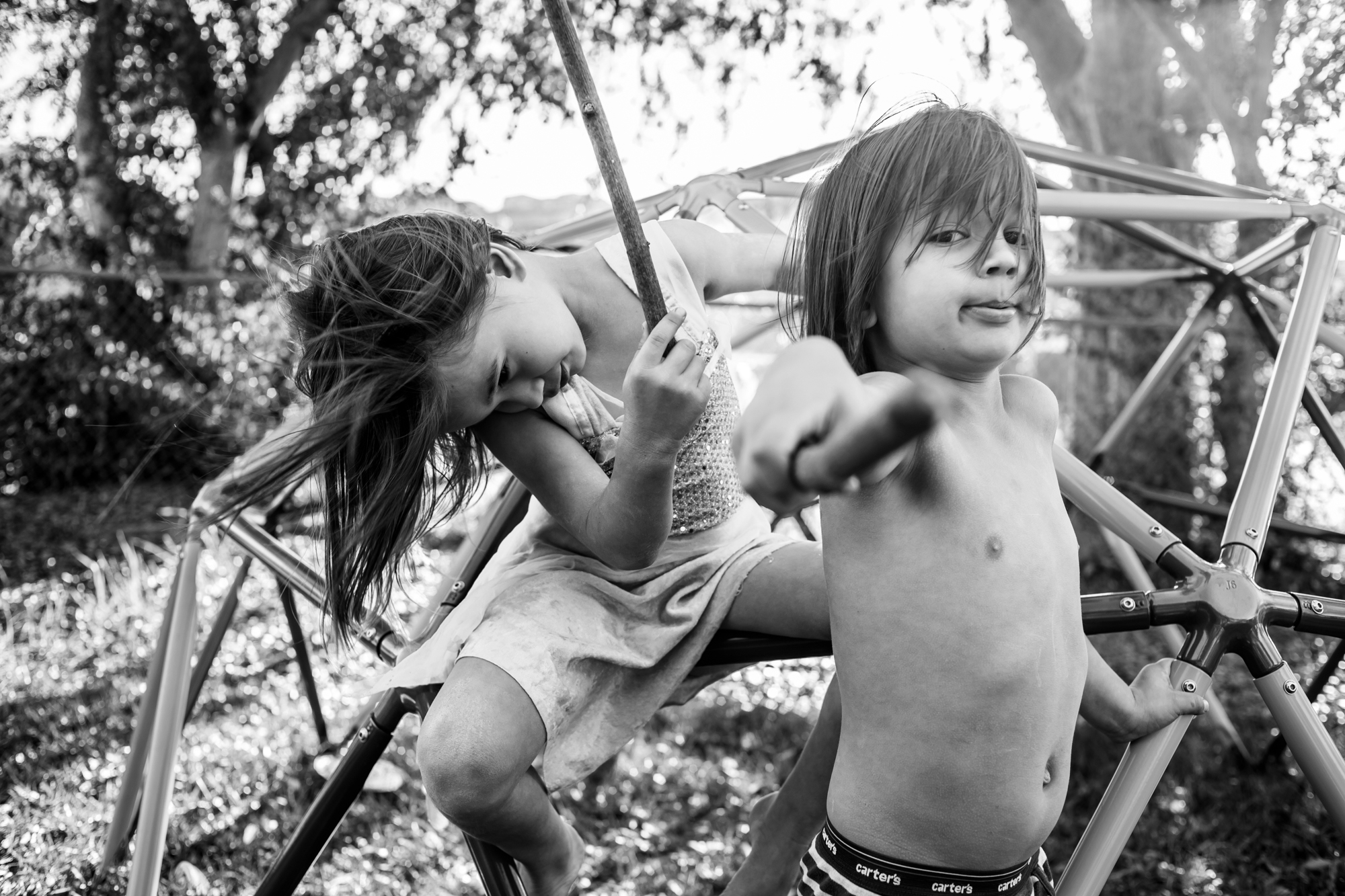 Felicia: I see a few images where the children are camera aware and their personalities shine through. Can you share some tips on building trust with kids so you can capture their environmental portraits?
This is my favorite type of work. I have always loved the idea of portraits for children because you really get to document a clear image of of the child at different ages and stages. It preserves their history. I take this idea a little further by trying to capture a clear image that shows their personality as well. As previously mentioned, this is achieved by creating the connection, talking and observing. Also, I like to get really silly with kids. I sing to them, I talk about poop, I ask lots of questions. I pretend the camera is not there and I play with them. Sometimes I even put the camera down and swing them, dance with them and run around like a crazy person. Parents often want a few posed photos, but I find the best photos are taken during our breaks. I let the kids take breaks and I keep my camera handy while being watchful for magical childhood moments.
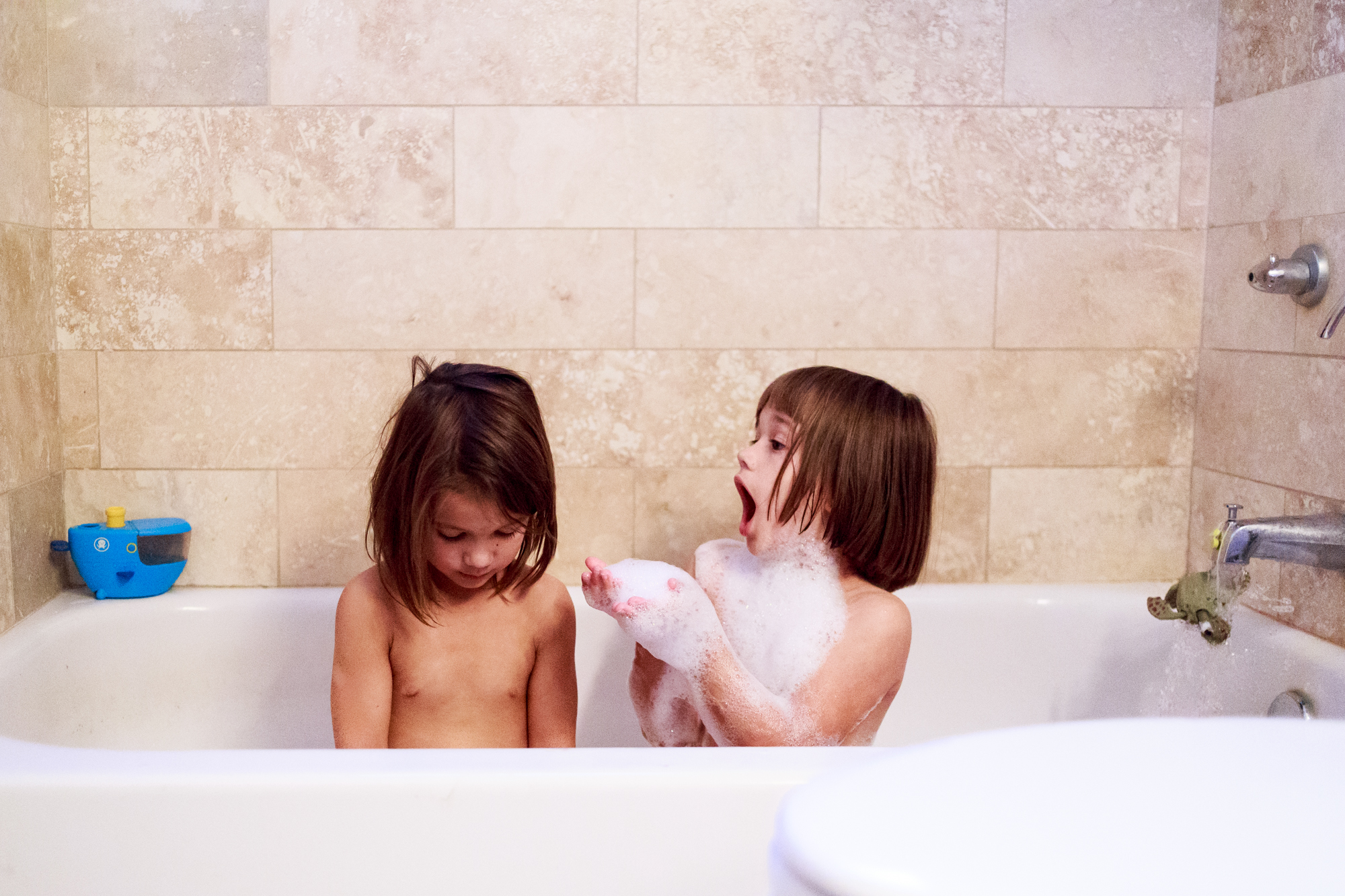
Carrie: What would you say is your primary objective when shooting a client family? What do you aim to convey in your images that is in the back of your mind when culling?
My primary objective in shooting anyone is to capture their authentic personality. While culling, I ask myself the following things: Is this image real? Do the faces show authentic expressions? Do the bodies look natural or is there any tension from feeling like the image is forced? Secondly, I check the technical aspects of a photo. I don’t often use flash, so I may encounter some images that are too grainy for my liking. In addition, I sometimes miss focus with fast moving, super engaged children. I’ve literally had a 3 year old tackle me to the ground while shooting because he was having so much fun playing with me. Of course the parents were mortified, but I took it in stride. Clearly, he felt comfortable with me and I take that as a compliment. In an high energy environment, it’s possible to miss the focal point at times.
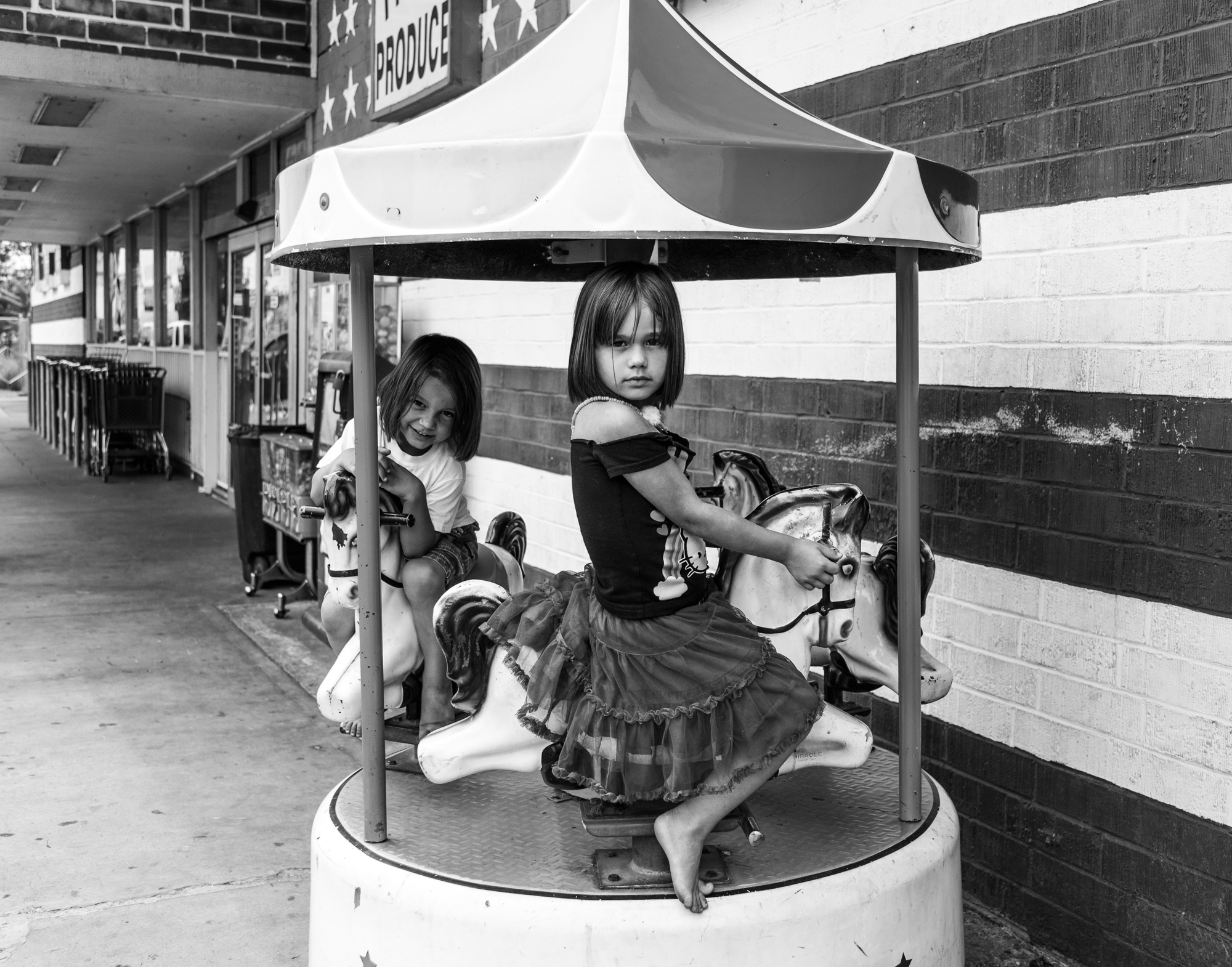
Leslie: What a diverse beautiful set of images. You mentioned it took you a while to find your niche. Who is your ideal client and how do you market your work to them?
My ideal client is someone who wants to document their personal history with authentic images of people they love. I really enjoy family documentary photography and this is the type of client I am trying to attract. I use social media and instagram to showcase some of my latest work. In addition, I write blogs about my sessions. Most of my clients have come to me as referrals.
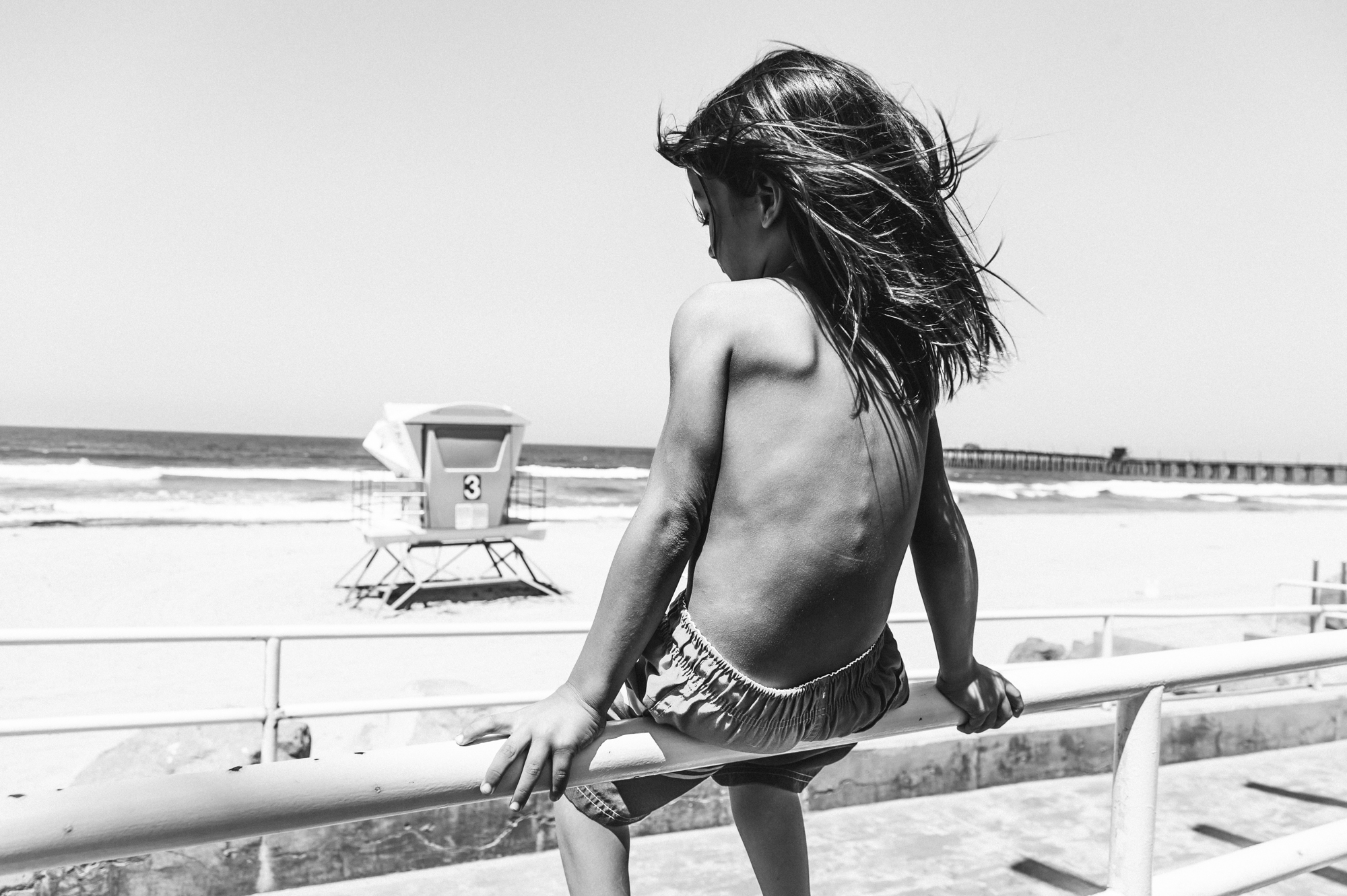
Jenny: You’ve shared a lot of black and white images, and I absolutely love them. Do you shoot with black and whites in mind? Do you predominantly edit in black and white over colour? If so, is there a reason why?
I absolutely love black and white images too!! I think this is because my roots have been established in film. I started shooting film with my first SLR in 6th grade. In high school and college, I spent most of my free time in the darkroom processing film and prints. Most of my personal work is in black and white because I love it so much. I do color for other people because I know they want it. For me, black and white brings the subject to the forefront and lets colorful distractions fade away. Black and white elicits more emotion for me.
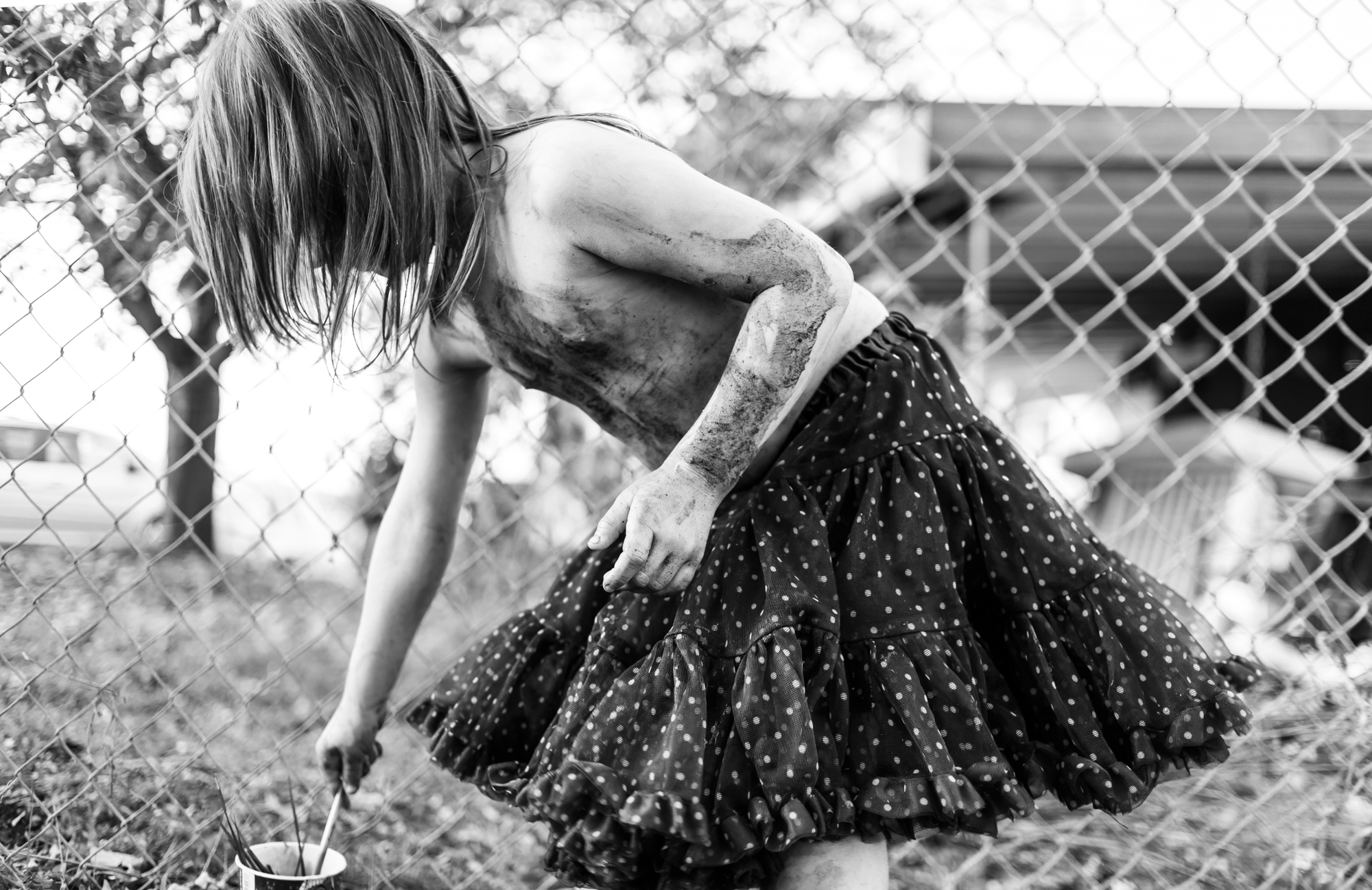 Gemma: There is a wonderfully wild, carefree tone to all of your images with children. Is there something or someone in particular that has influenced this view of childhood in your photographic work?
Thank you for noticing how I capture children. I aim to capture children in their most natural state. I love the wonder, freedom, and wildness of childhood. The season of childhood is much too short in our current fast-paced culture. I grieve for children that are forced to grow up too fast. I have adopted a very connected attachment parenting style with my own children. In addition, I homeschool so we can maximize our time together. Our family embraces the true essence of childhood and we aim to prolong it. This is the filter to which I view children and childhood. I take these values with me when I photograph children. I aim more to bear witness to them than to control them. I want to know them, who they are and capture them and the raw beauty of their natural state. Children amaze me.
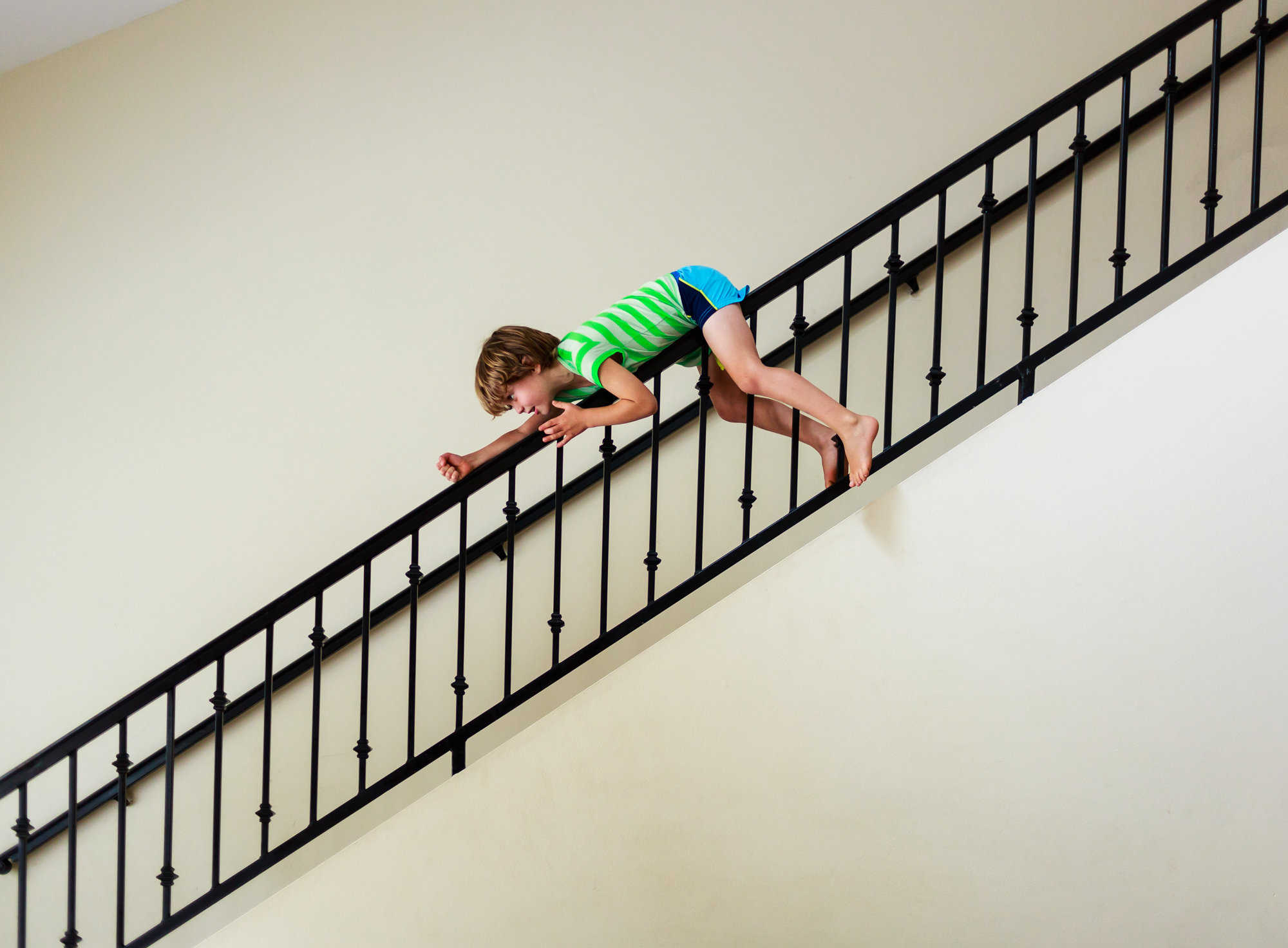
Jessica: In many of your images, the subject is central in the frame. When you are making a picture are you thinking most about the moment or the composition?
I am always thinking most about the moment, but composition, framing, and cropping are huge for me. I’ve always loved close-ups because I love faces and eye contact. In recent years I have challenged myself to pull back the camera and get the whole scene to tell a more complete story.
*****
Want information on how you can be a featured artist? Check out our submission page for all the details.