I shot my first personal day in the life in the fall of 2014. That day was challenging and exhausting but as soon as I uploaded the images and started culling and editing the final project to turn in for my workshop I knew I was hooked. As someone who had tried and failed at 30 day projects (much less a 365 day project) something about taking many images in one day made it so much more achievable than taking one photo each day.
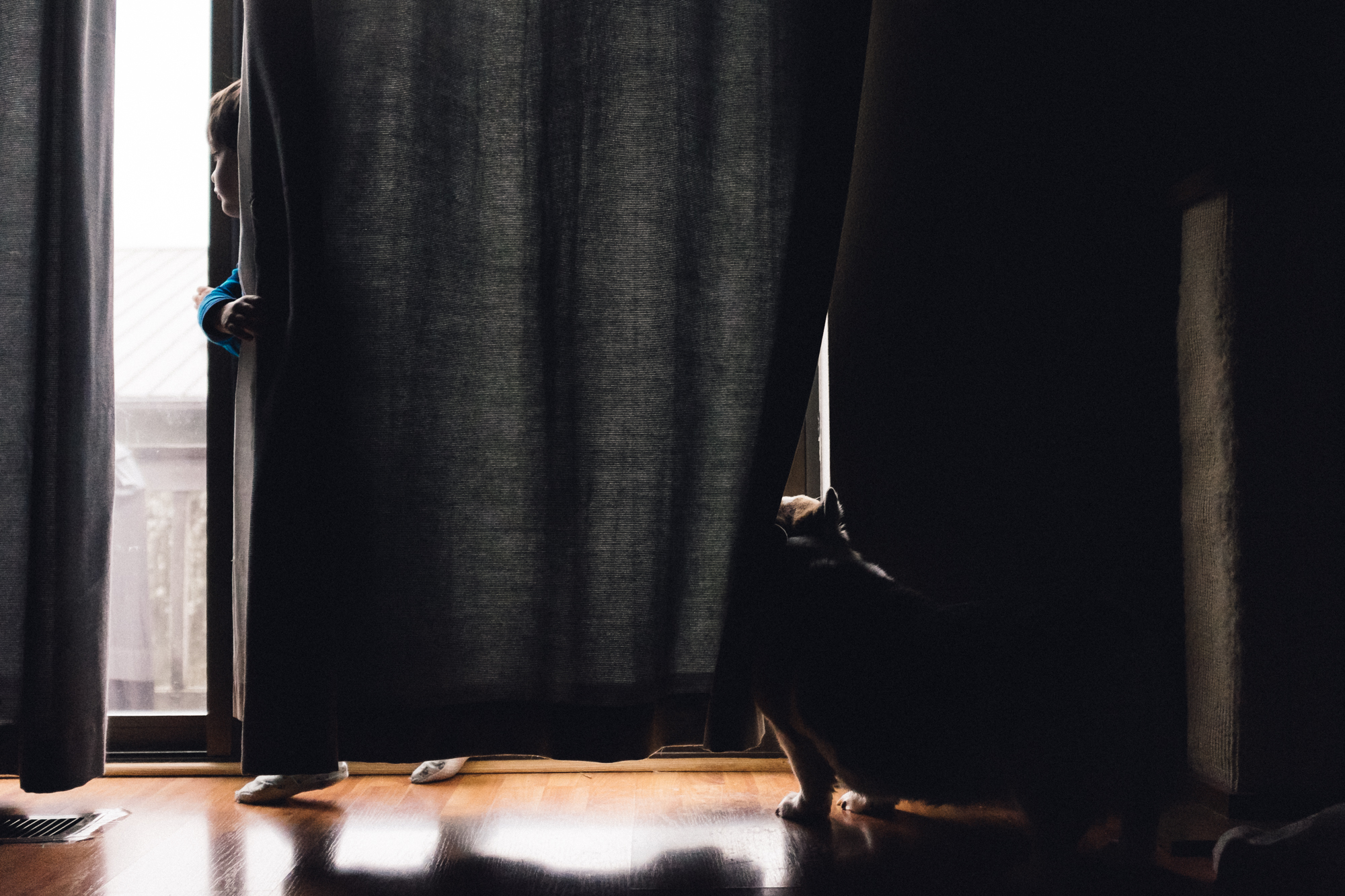
So this became my project: One day, every month I would shoot a personal day in the life. I call it the “Here and Now” and while I’m currently a bit behind in the culling & editing, I’ve kept it up for a little over two years. There is only one rule; I shoot one day every month, no matter what. I don’t make plans to make the day more photographically interesting. And I don’t postpone my Here and Now day to wait for plans to develop, if I did, the month would fly by without me realizing it. I aim for it to happen on the 15th of every month. My life is frequently a blur grocery trips, loads of laundry, and arguing with small people so sometimes the 15th comes and goes before I know it. Then I reschedule and shoot as soon as I remember. Sometimes, I know we will have really cool plans for a couple days before or after the 15th and I’ll schedule my day it the life for that day. But mostly my day in the life collections are normal days of doing dishes and preschool drop off and pick up. As a result, it’s become a random sampling of our life as our son has grown, our house has changed, and as we’ve added a second child. At times it’s felt daunting; one more task to add to a busy day and another collection of images to add to a personal catalog that I’m already painfully behind in editing. But I press on and once I do get the images culled, edited, and blogged it never fails to be incredibly heartwarming to relive that day and reflect on what is happening in our lives as part of a bigger picture.
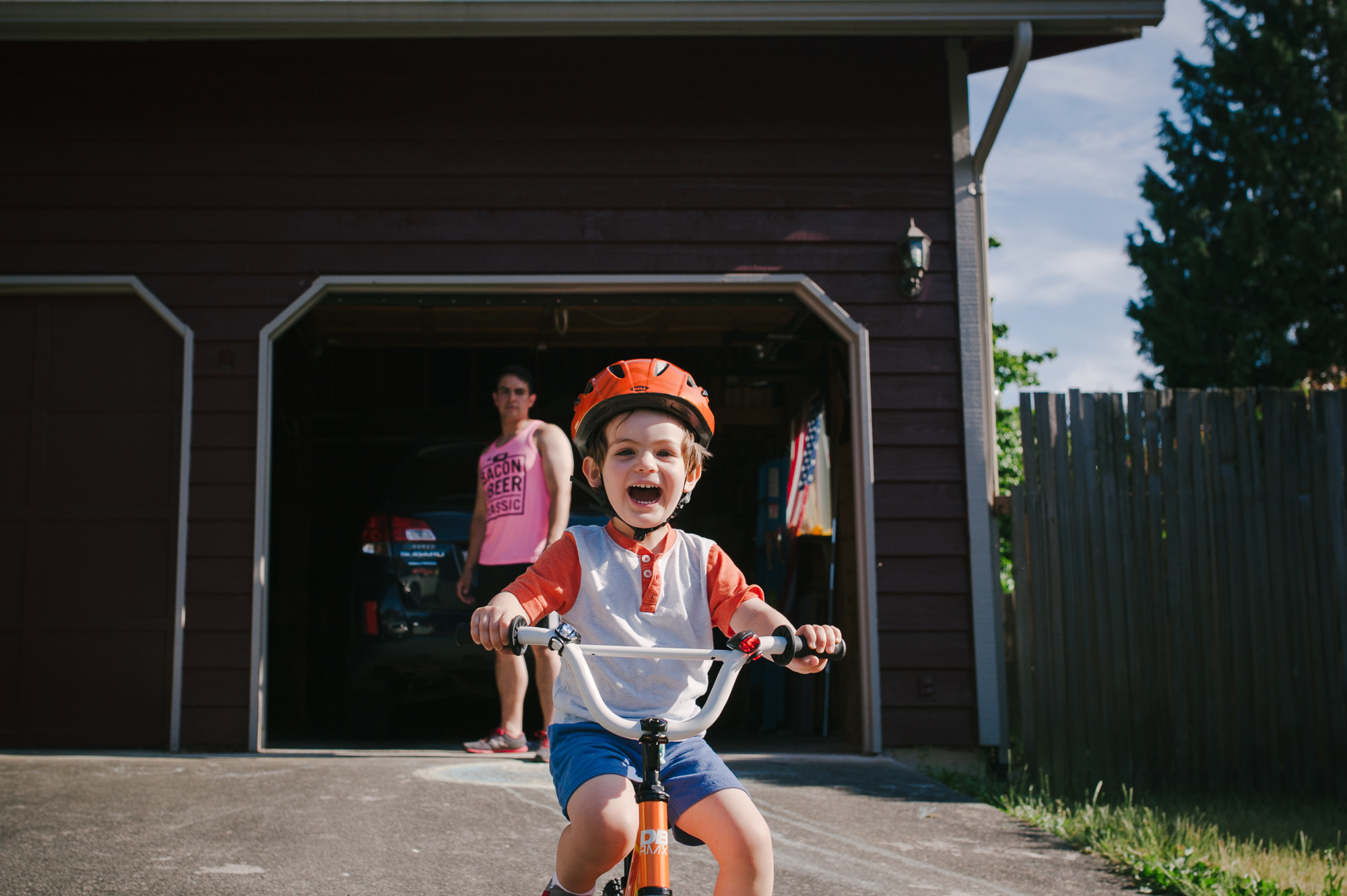
Over the past two years I’ve come away with several tips and take aways that have made shooting each day a little easier and a little more meaningful. Here are my top 6:
1. Make it logistically easy and plan ahead. If you have options in the gear department, go light. Pick your smallest body and one lens. (I’d suggest your widest lens, I use either a 24mm or a 35mm.) Place it at your bedside the night before so it’s right there when you wake up; accessible for you to take your first shot of the day and also a reminder that this is the day you are shooting.
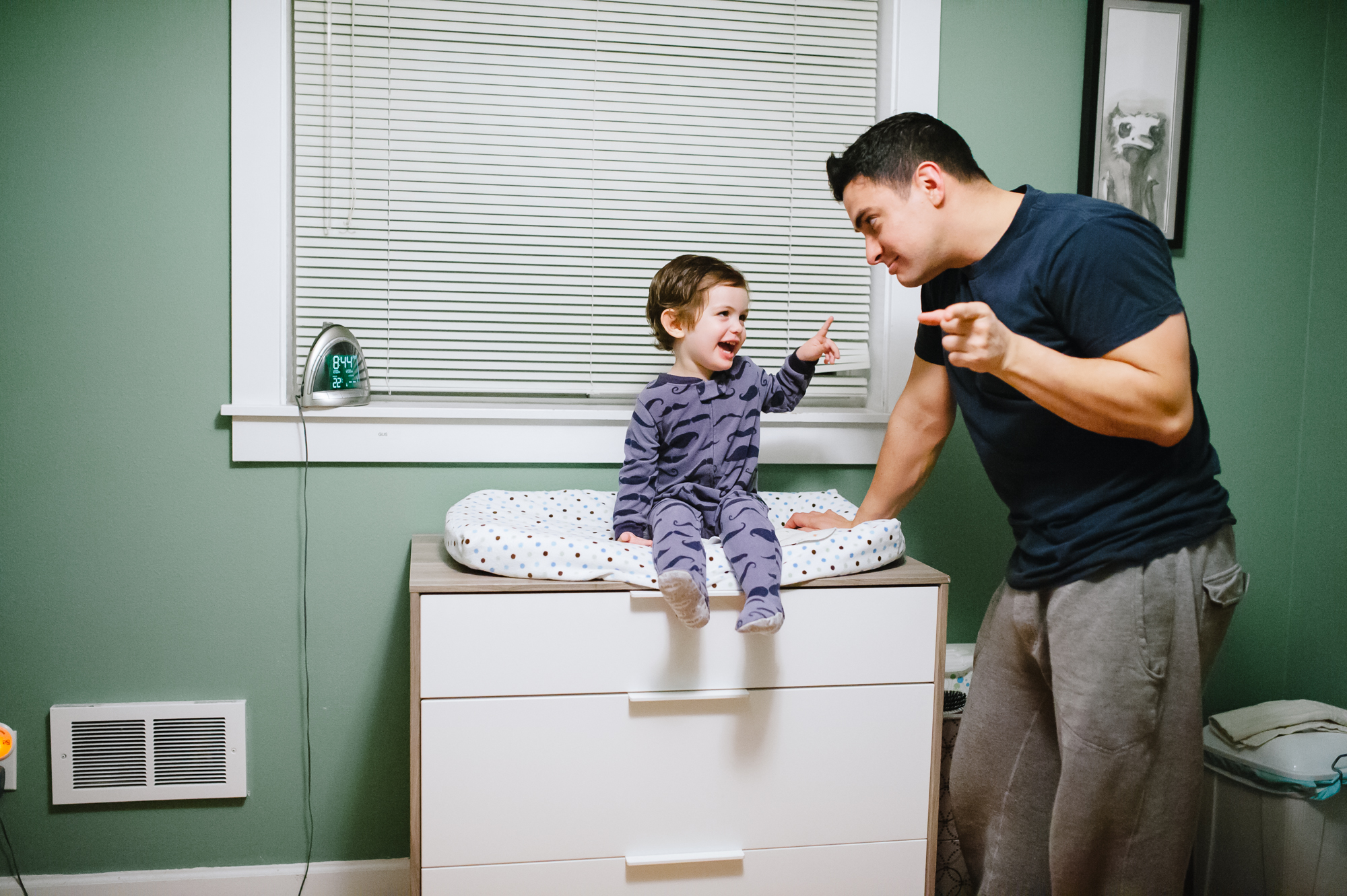
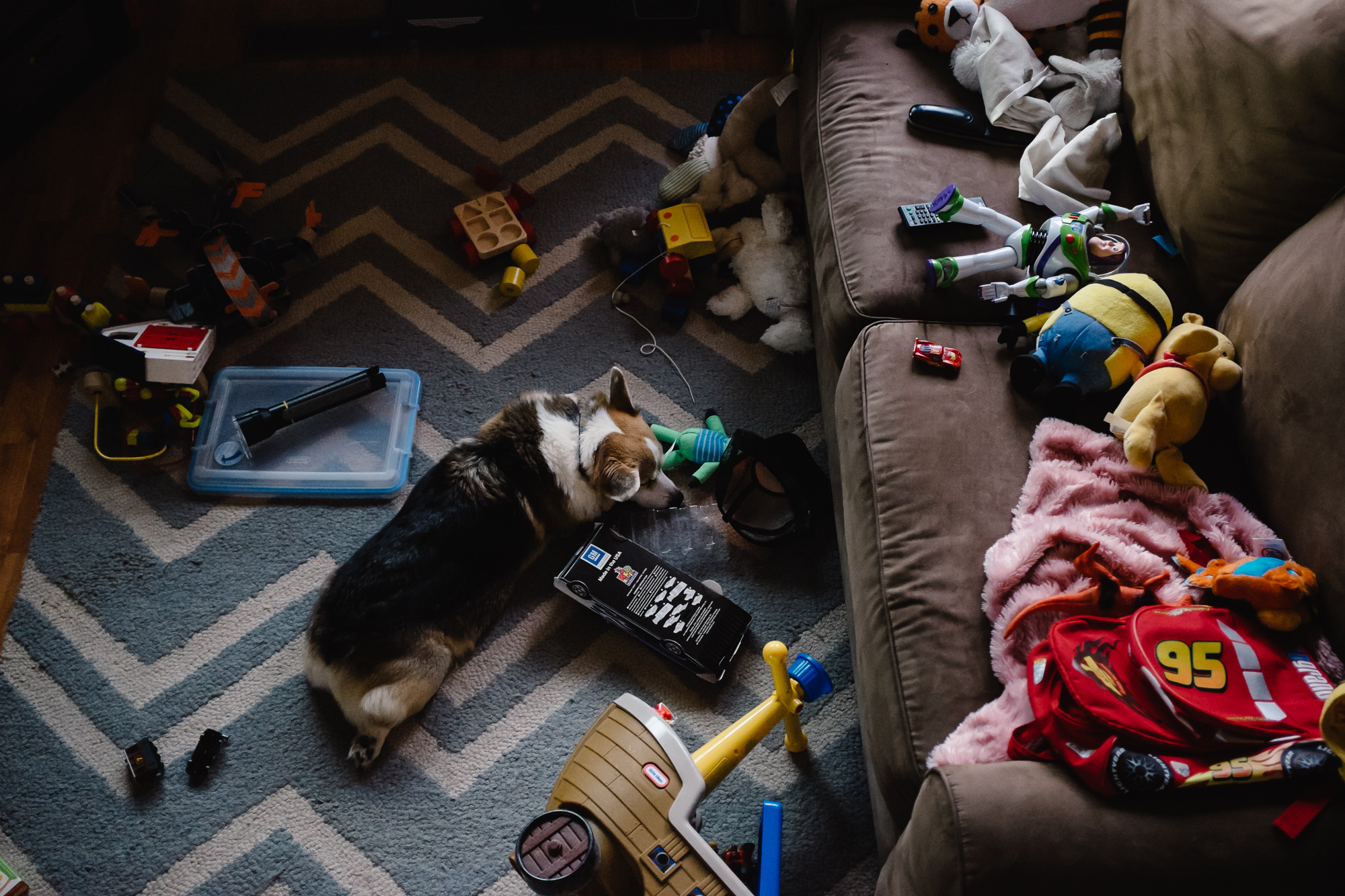
2. Create some limits for yourself and be forgiving. Don’t feel pressure to document every single thing; especially if you know you are prone to overshooting. Considering limiting yourself to 5 or 6 frames per moment/activity. And if you get caught up in your day and forget that your camera is sitting next to you then don’t even worry about it. It happens to the best of us. Just pick it back up, take a shot, and carry on.
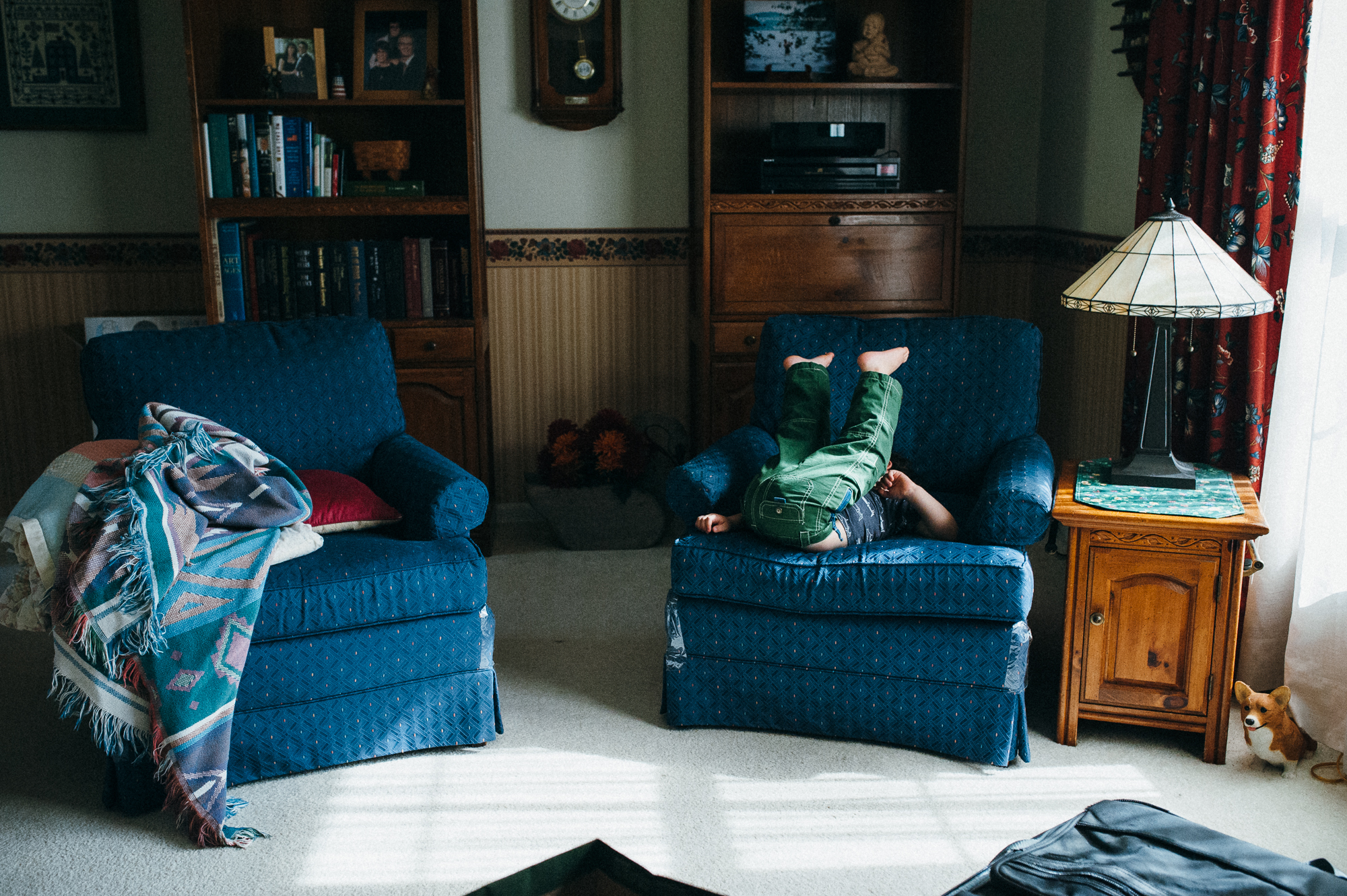
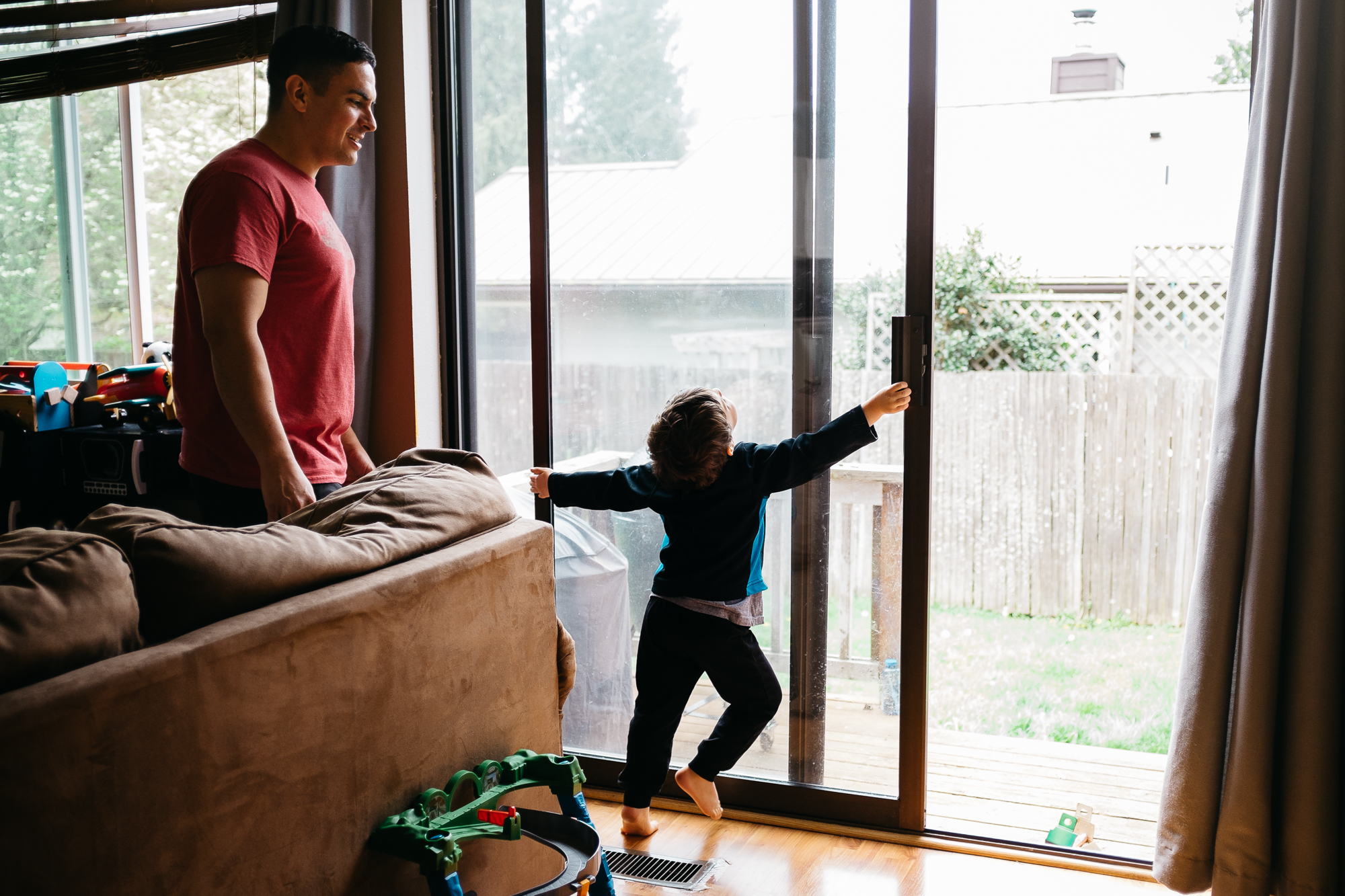
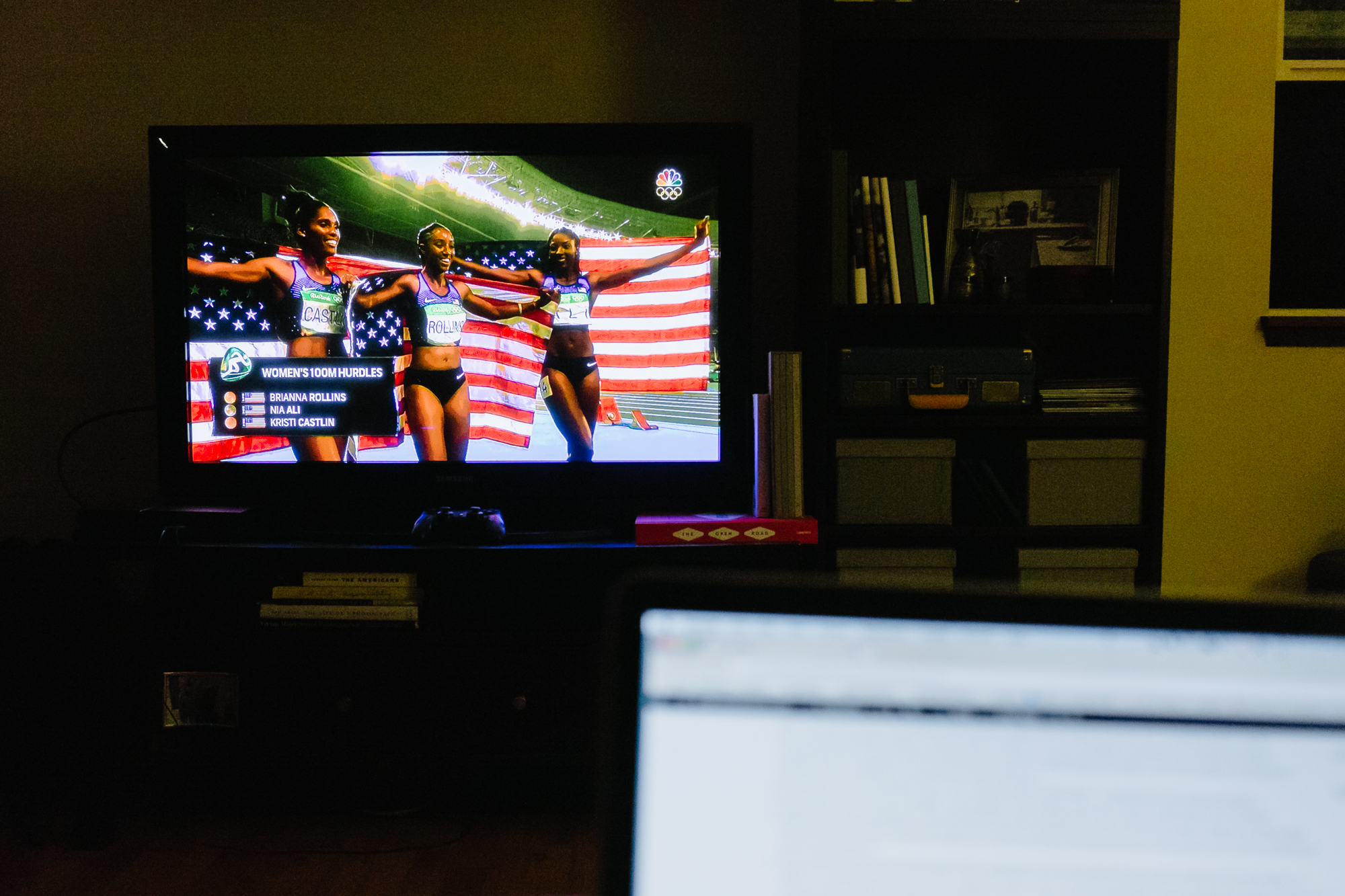
3. Make it dated. There is this concept in photography that there is value in making an image “timeless”; which means to make sure the frame is devoid of anything that might clearly place the image in a certain decade. Your day in the life is no place for timelessness. Make sure to get images including your phone, your car, the TV playing your kid’s current favorite cartoon or the fact the Olympics were on that summer. Capturing a day in the life is all about capturing a point in time and you can’t do that without embracing the current fads, technology, or world events.
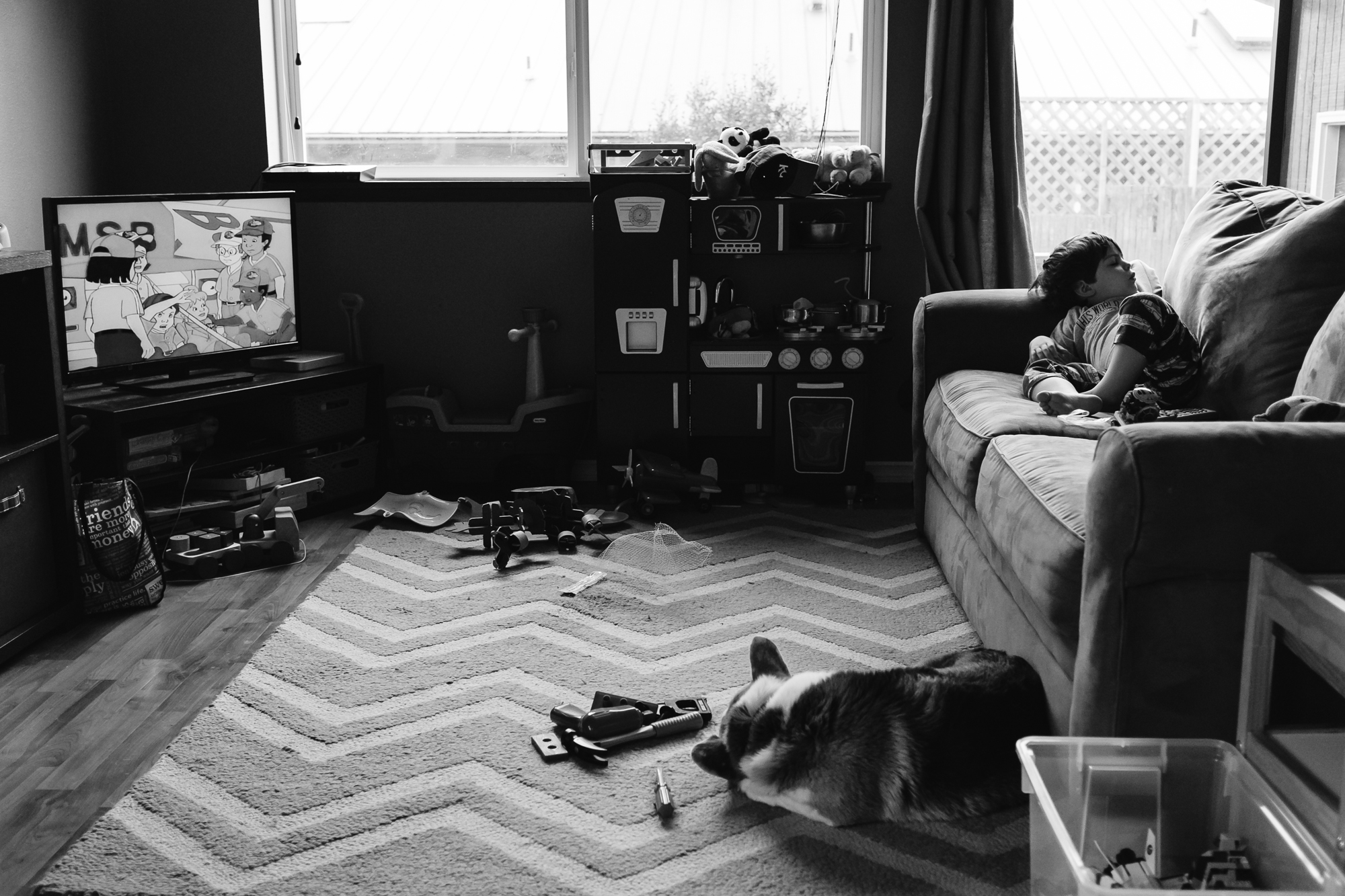
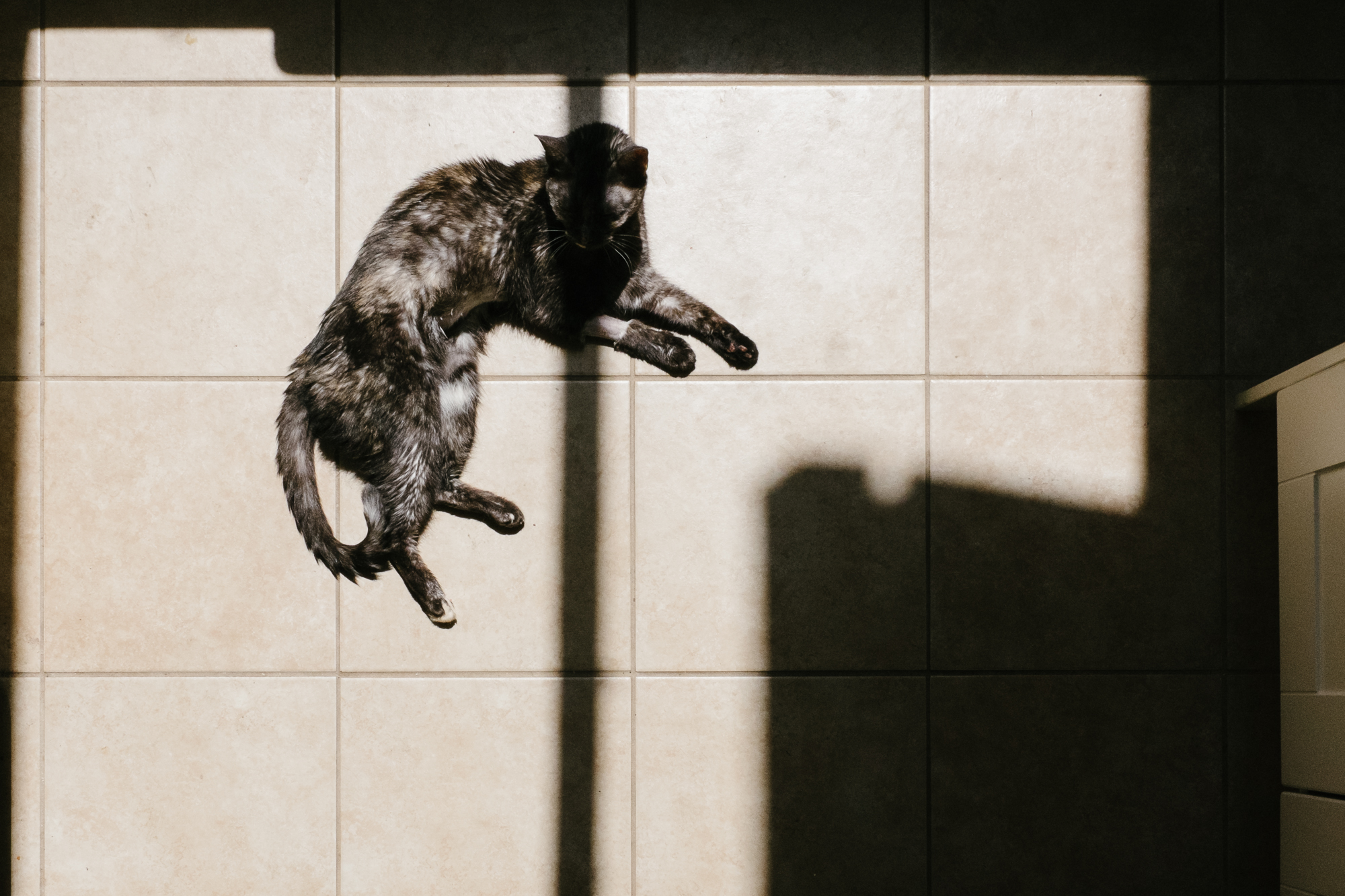
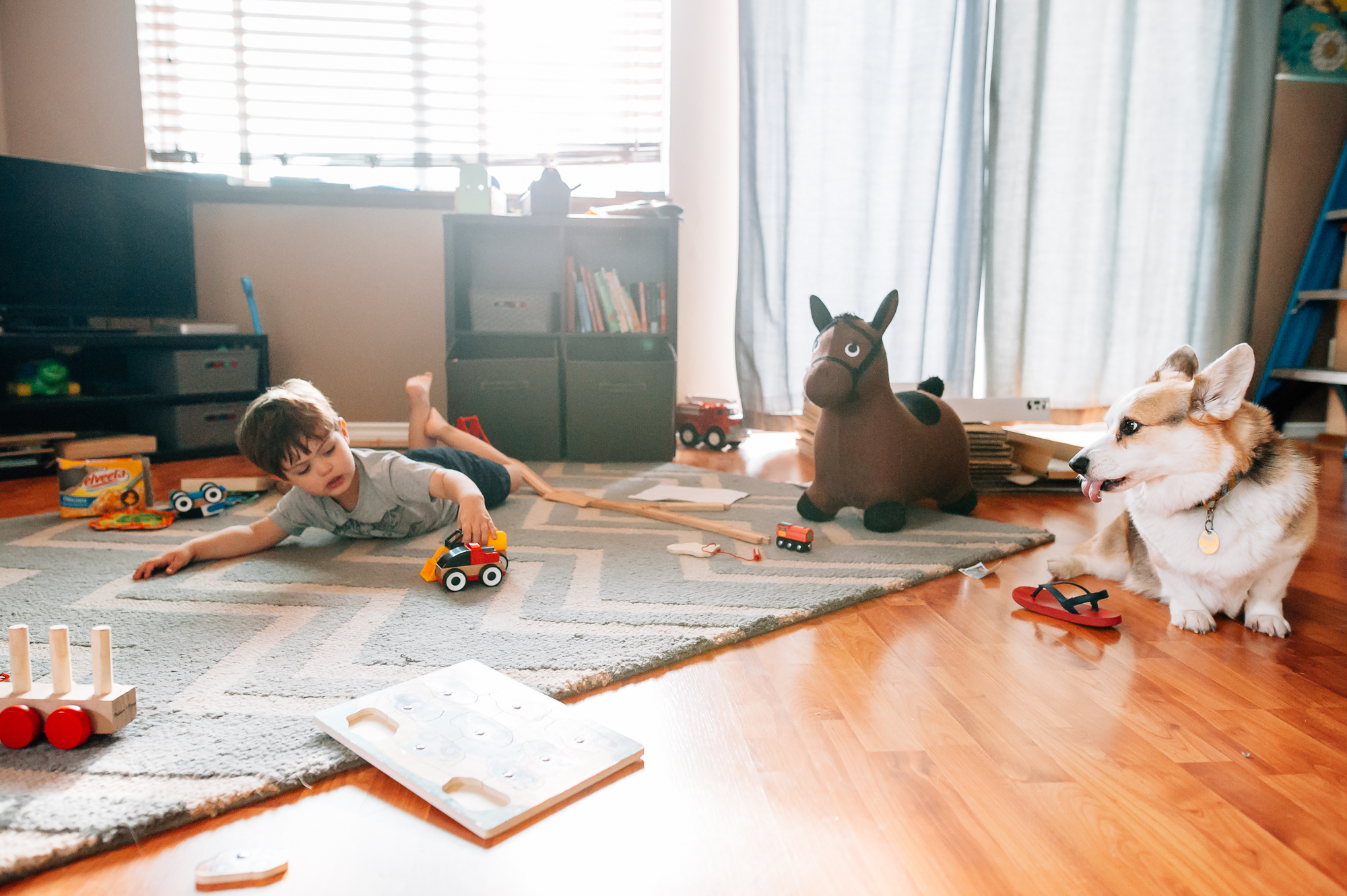
4. Shoot what matters, not just what is pretty. By all means, shoot beautiful light streaming in through your windows. Shoot the quiet moment of your child playing in their clean room before they pull out all the toys. Just don’t limit yourself to those images. What matters most doesn’t always happen in the most convenient manner for a photographer. Shoot it anyway. For example, the image below was shot when we were in the process of getting our cat diagnosed with lymphoma. She had just come back from getting an ultrasound and I wanted to make sure I got a picture that showed her shaved belly and paw. Not every image in your day will be a work of art, a few images will be the equivalent of a visual post-it note to remind you of something that was important to you in one way or another and those images are equally as important as the pretty ones.
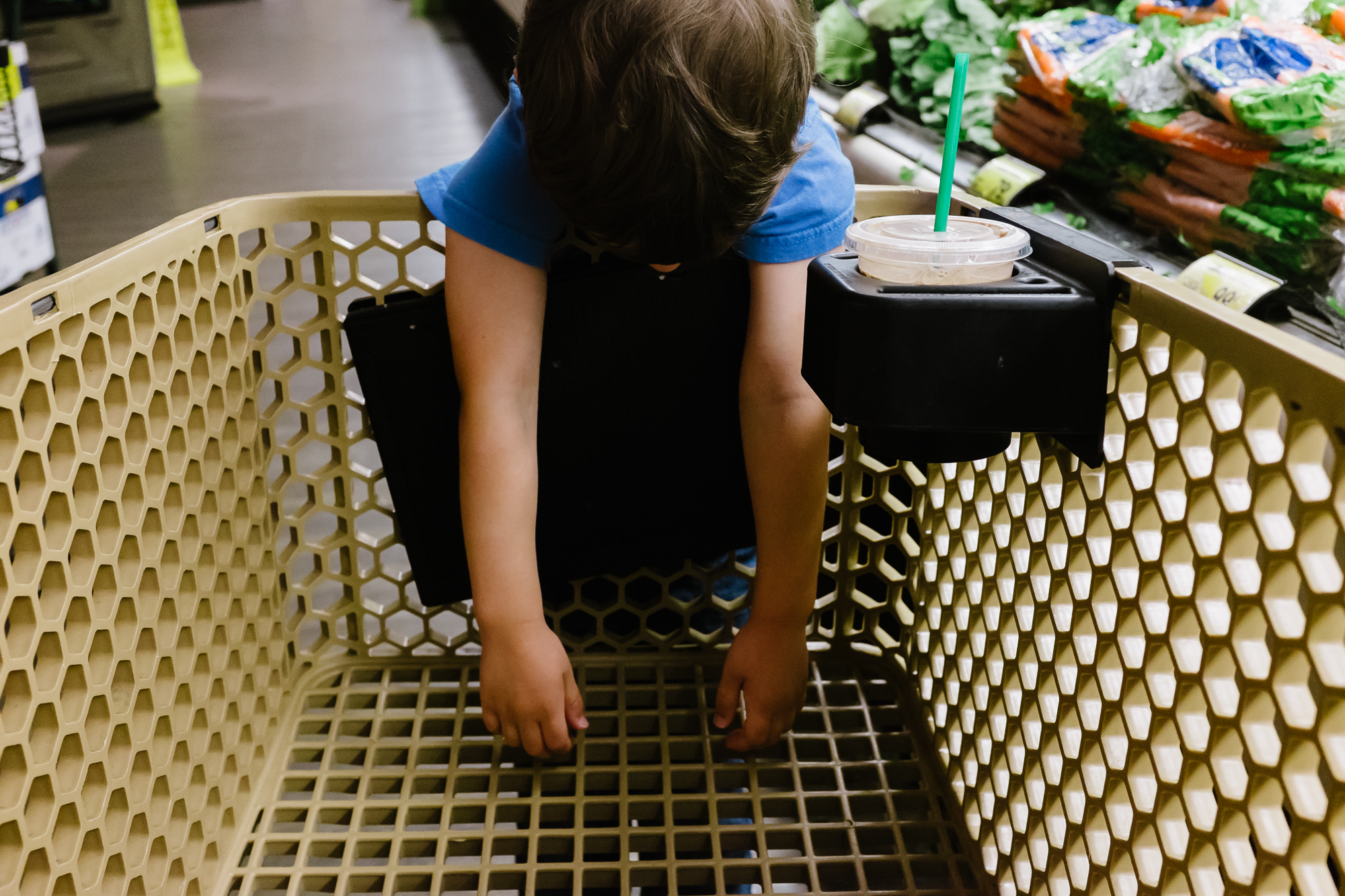
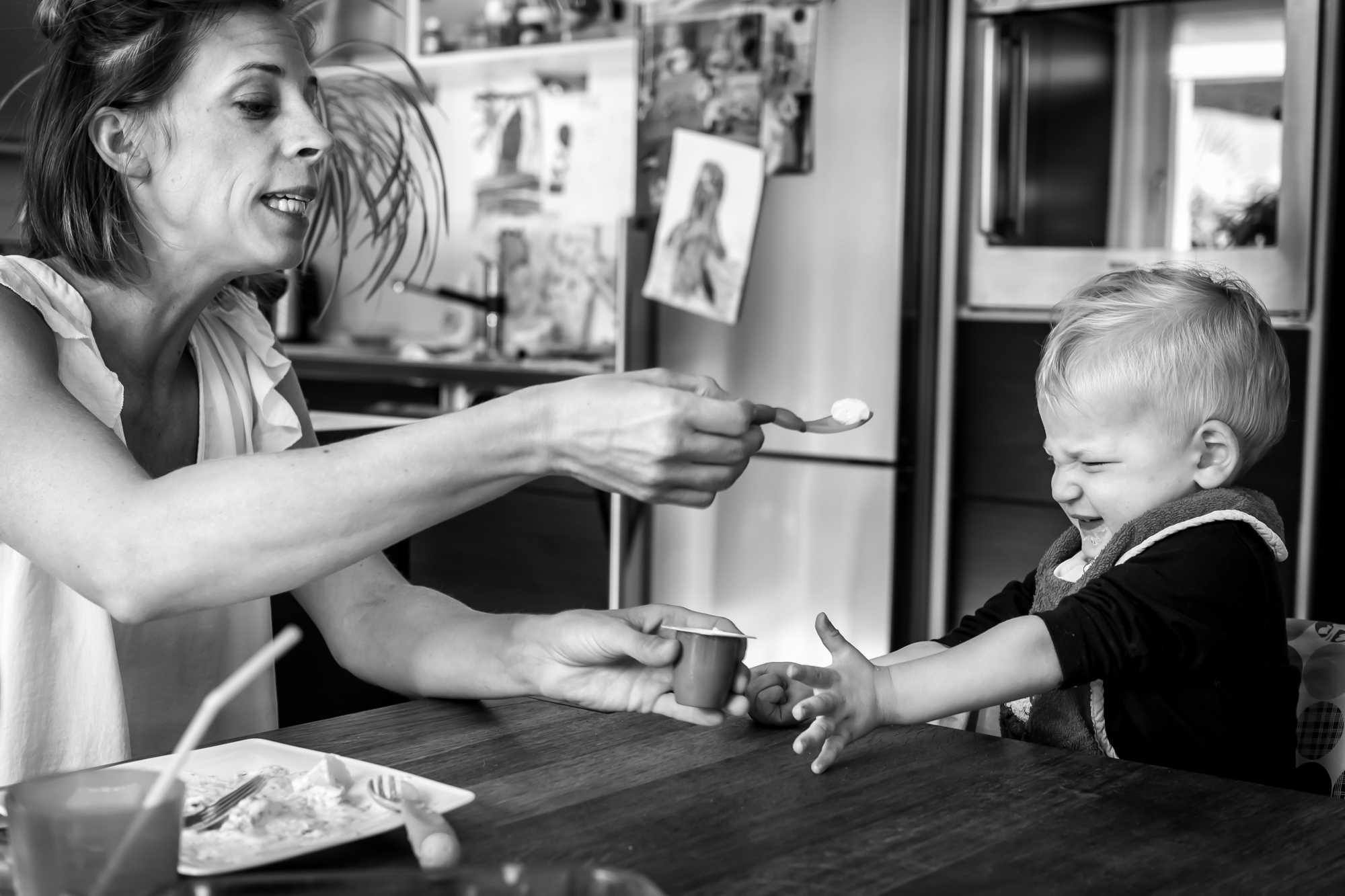
5. Have an objective. Shooting a full day can be overwhelming. It can be too open ended at times. I’ve found it helps to use your day to work on a larger skill; layering, color theory, or seeing in black & white. Having an objective in the back of your mind can help keep you motivated and focused as you go about your day.
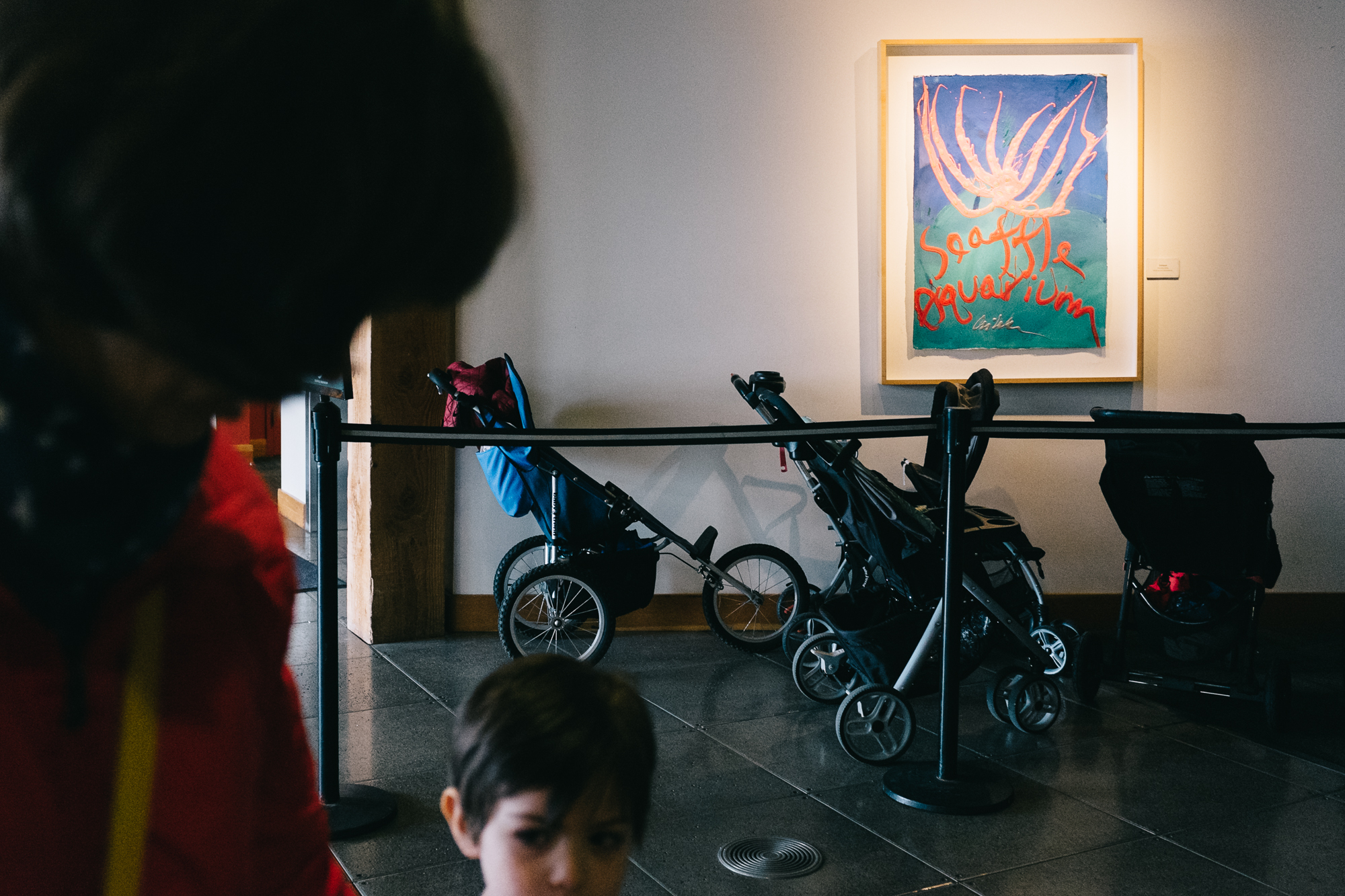
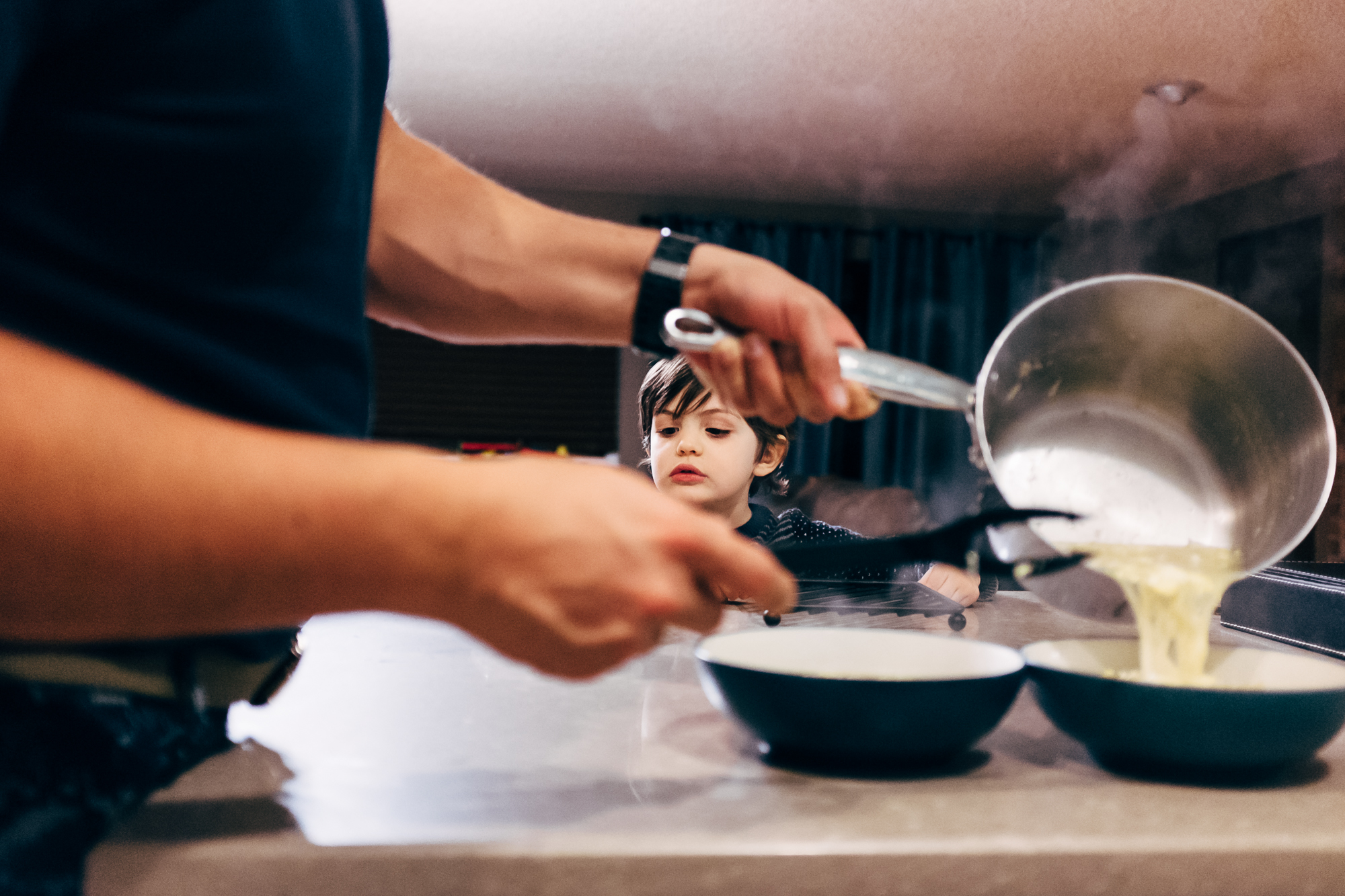
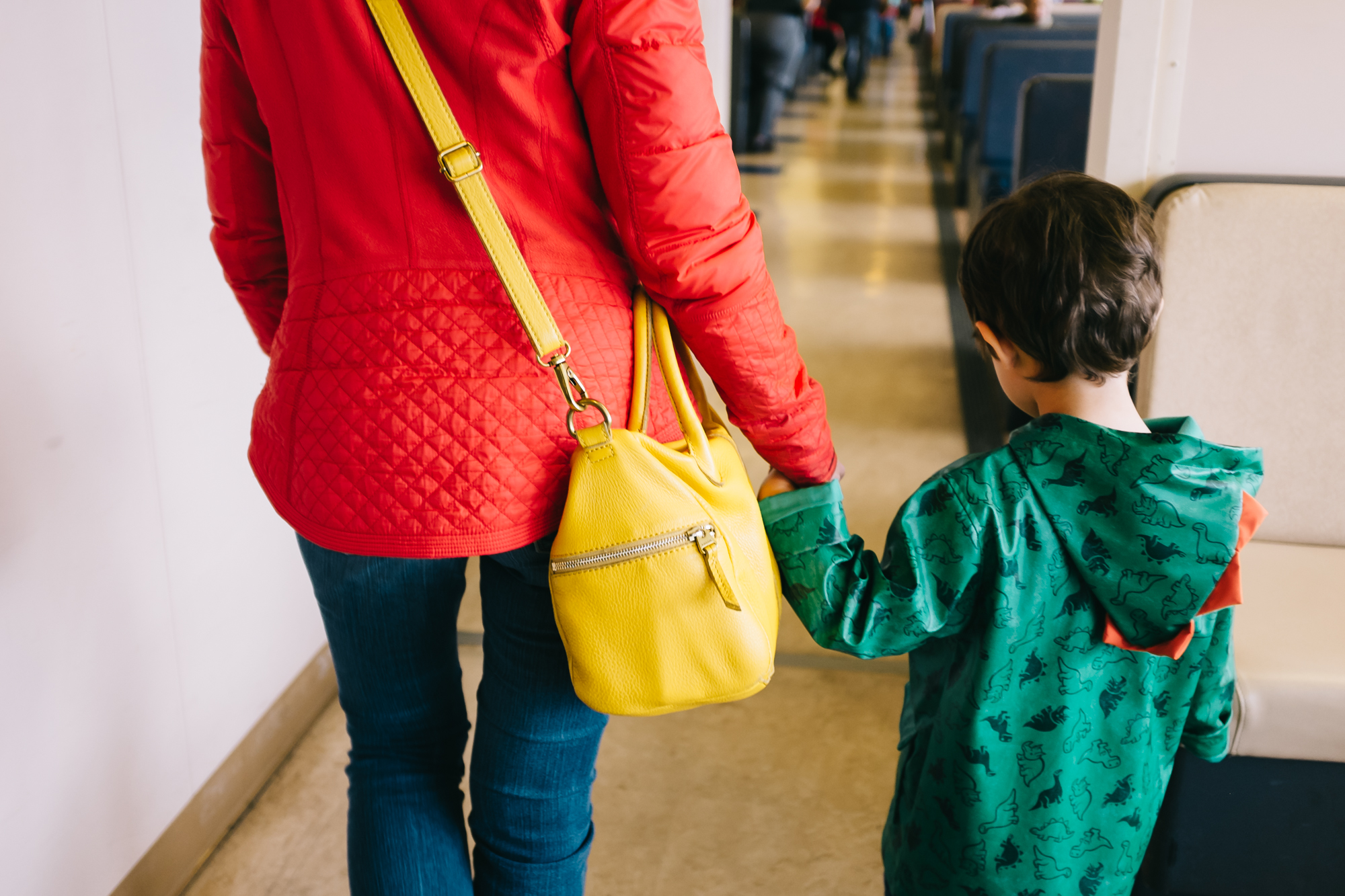
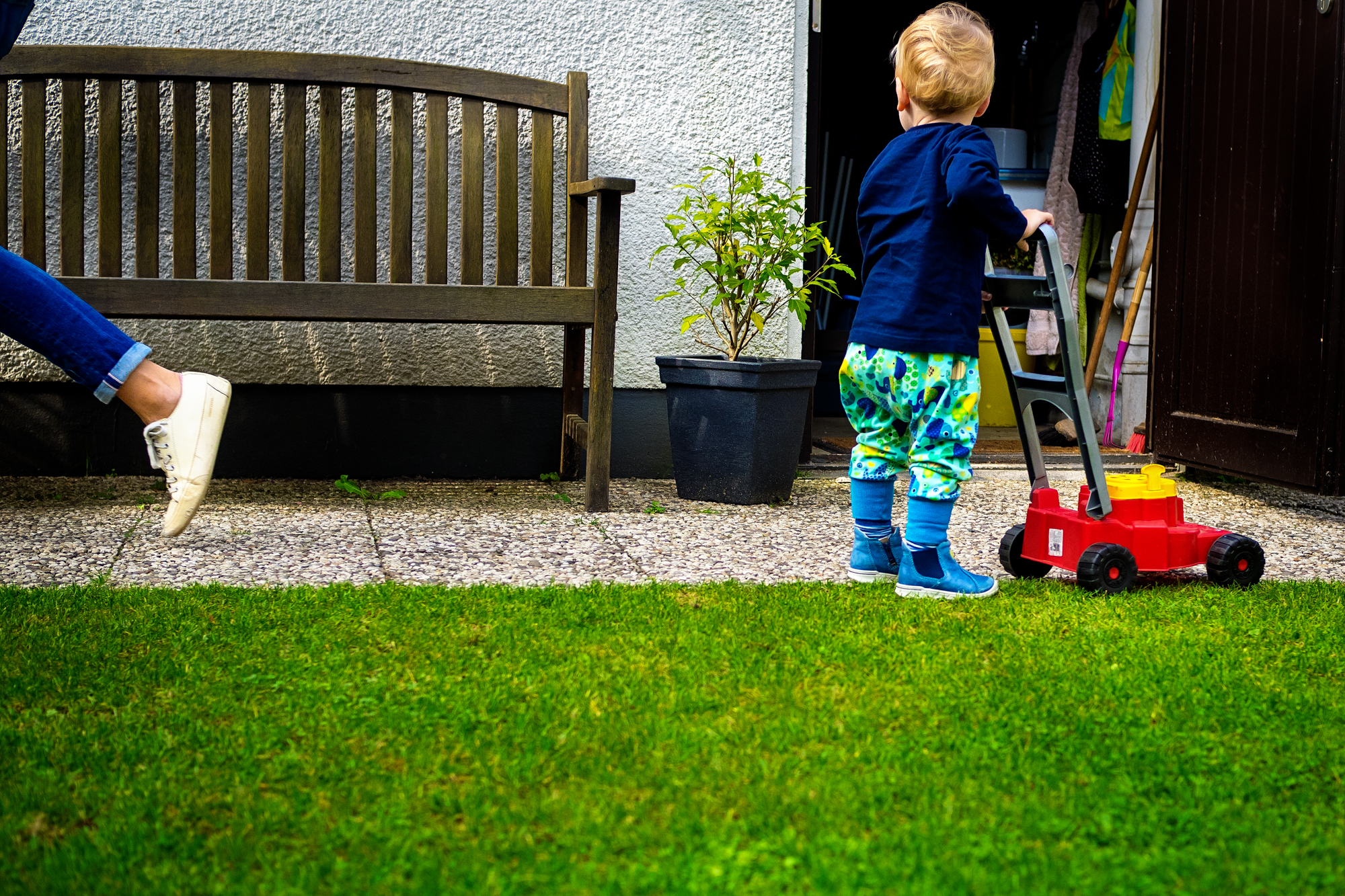
6. Be present. This is both a tip and a benefit to shooting a day in the life. There is a lot of talk about how photography can take you out of the moment but it can also help bring you into the moment too. So many times I rush through my day flitting from one task to the next without taking a moment to stop and examine what’s happening around me. If you are dedicated to shooting your day, you cannot do this. You have to be present and be looking for frames and moments to document. If you are sitting to work at your computer you have to stop, check in, and decide how you want to visually represent working. And if you notice your child quietly playing you will have the motivation to pause and soak in that moment while shooting your 5 frames. Then, maybe you’ll do as I’ve done on many of my day in the life days, and decide the dishwasher can wait to be loaded as playtime won’t last forever.

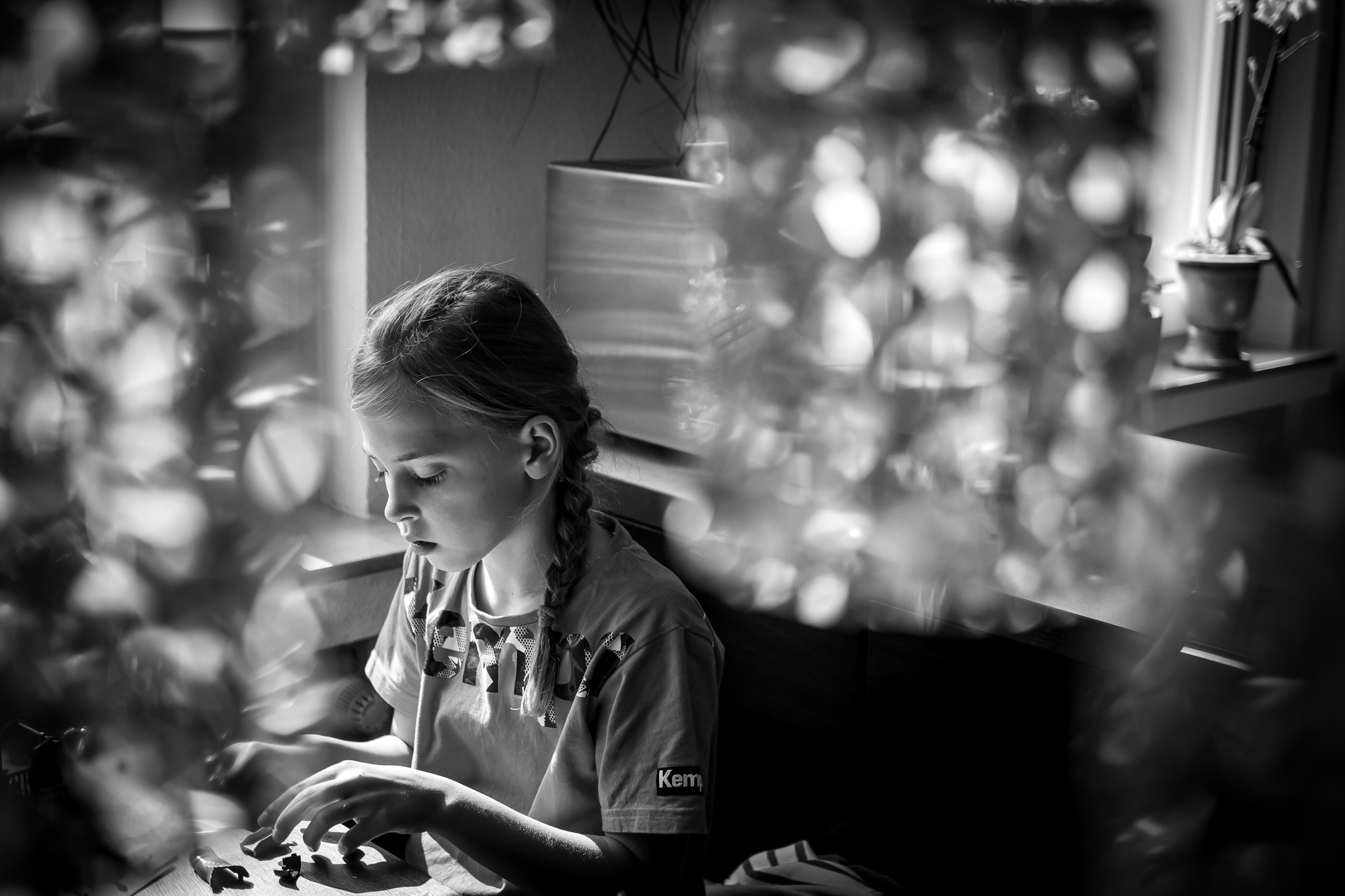
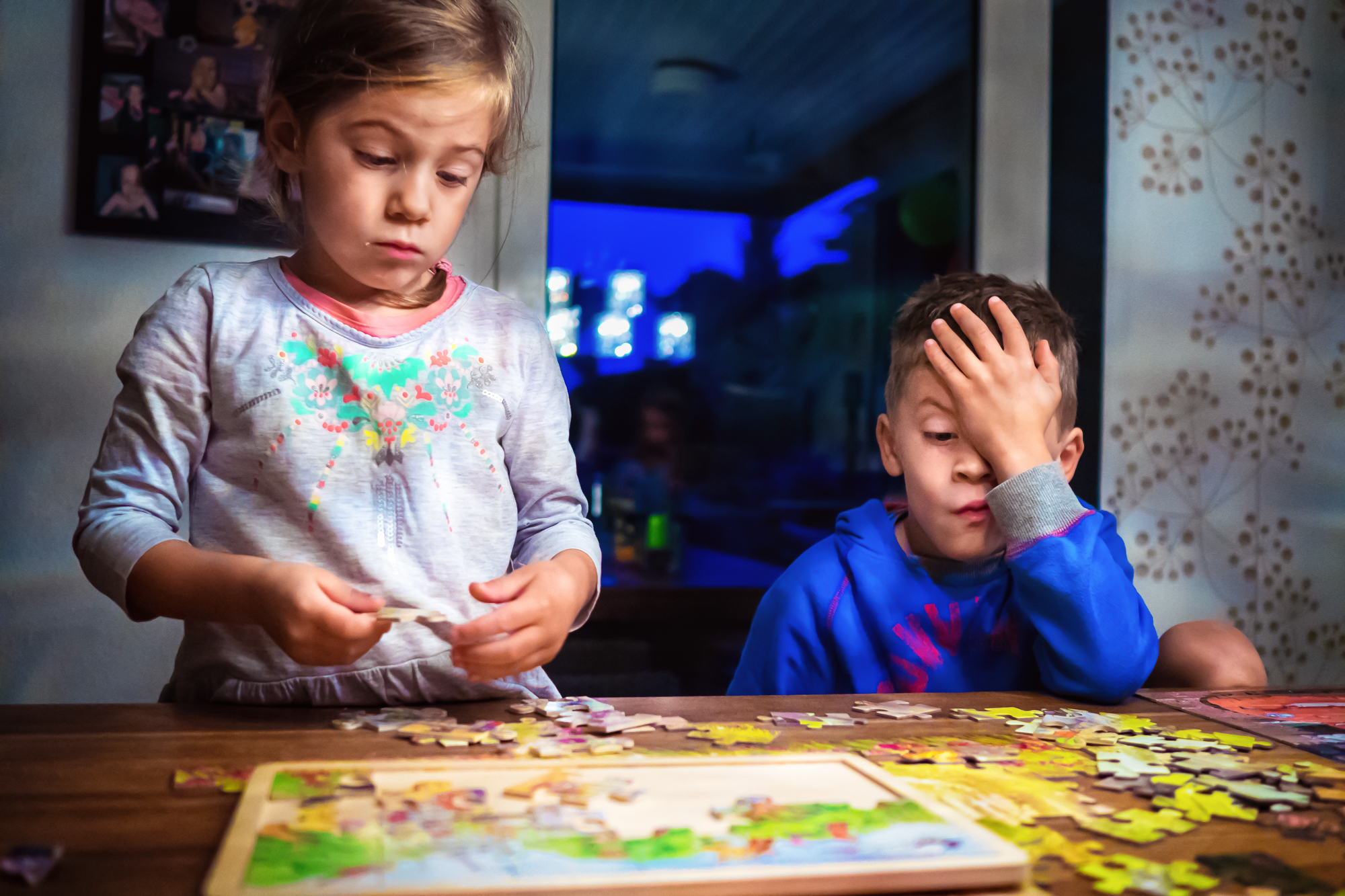
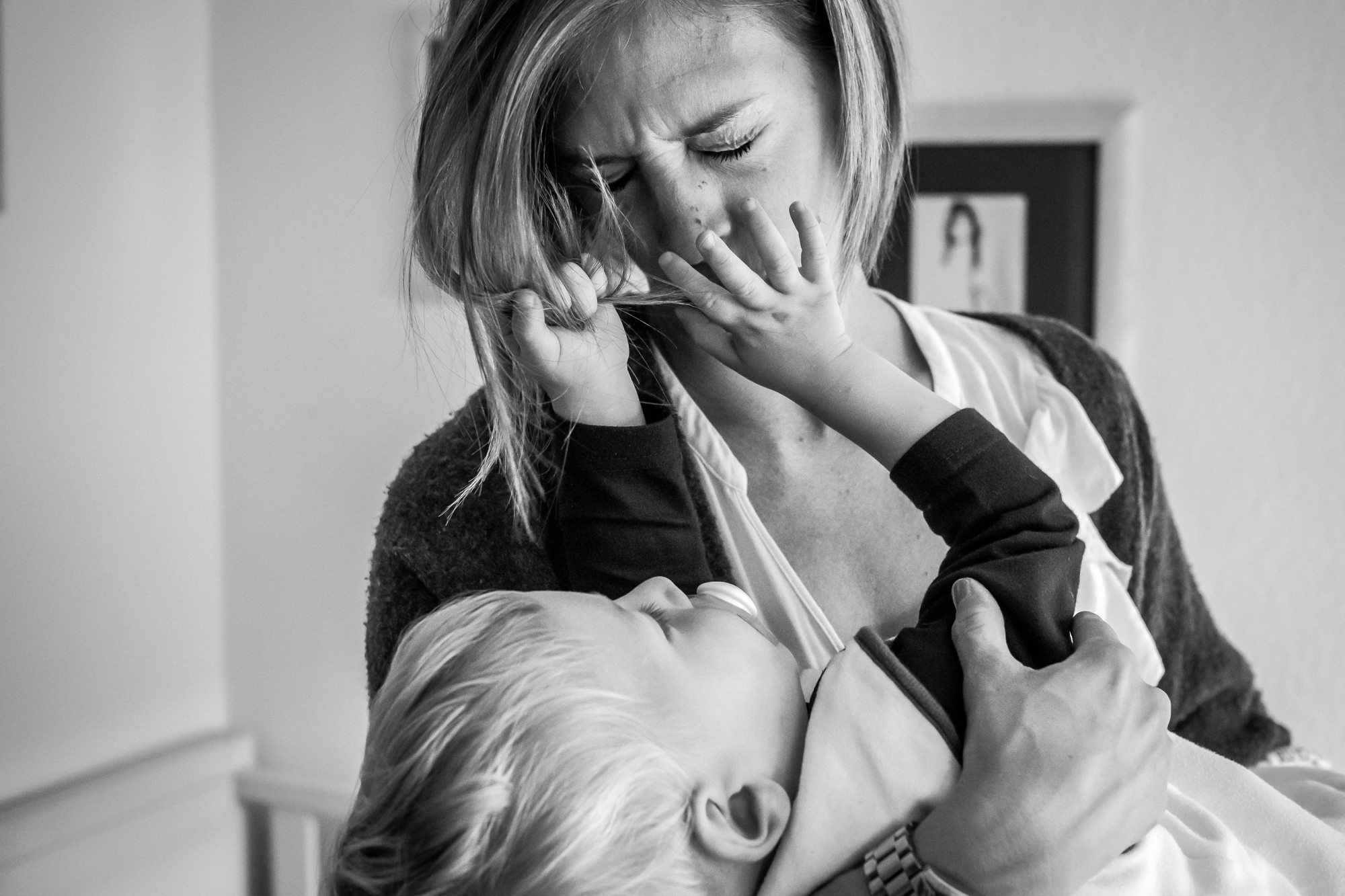
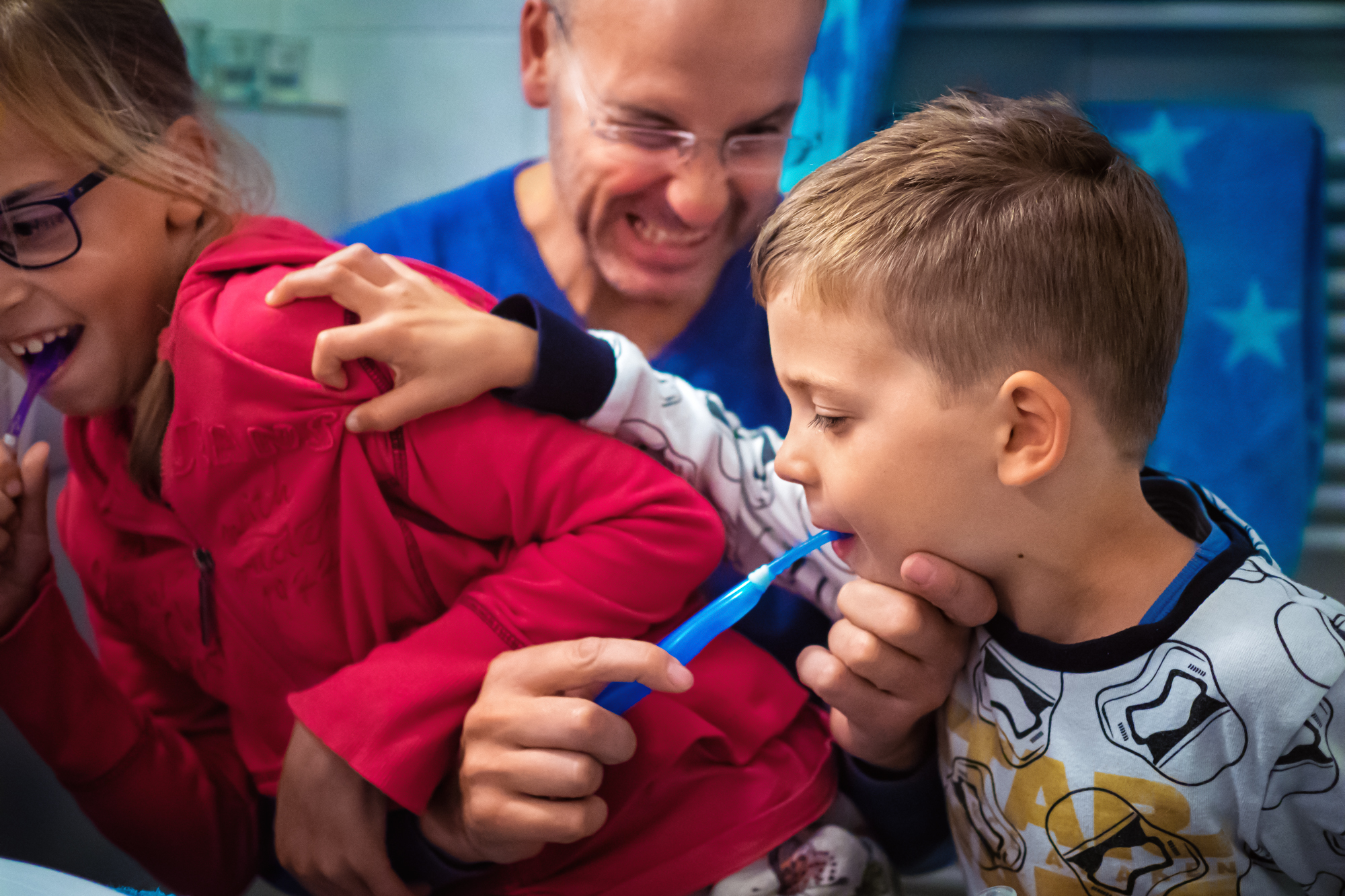 *****
*****
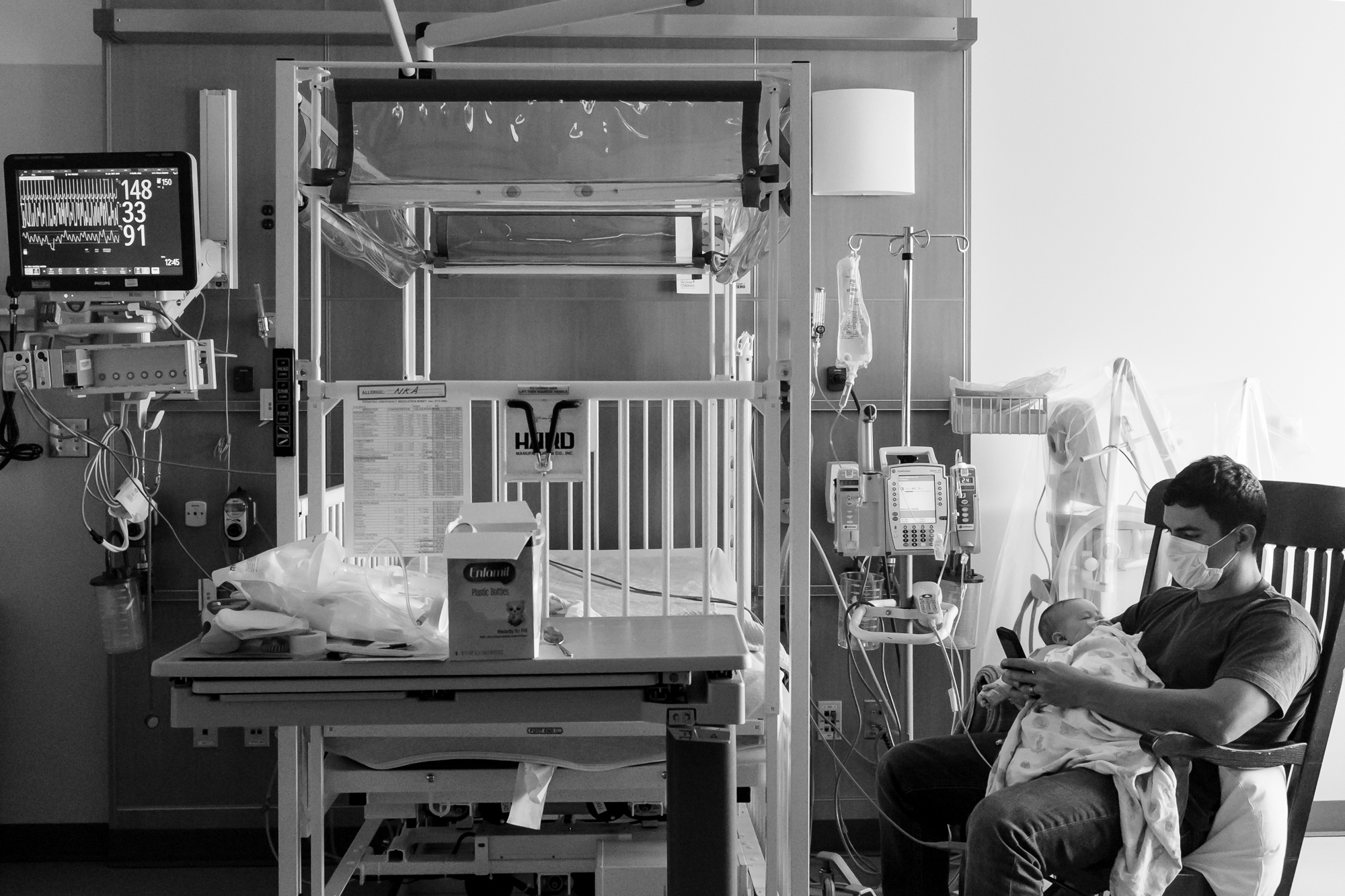
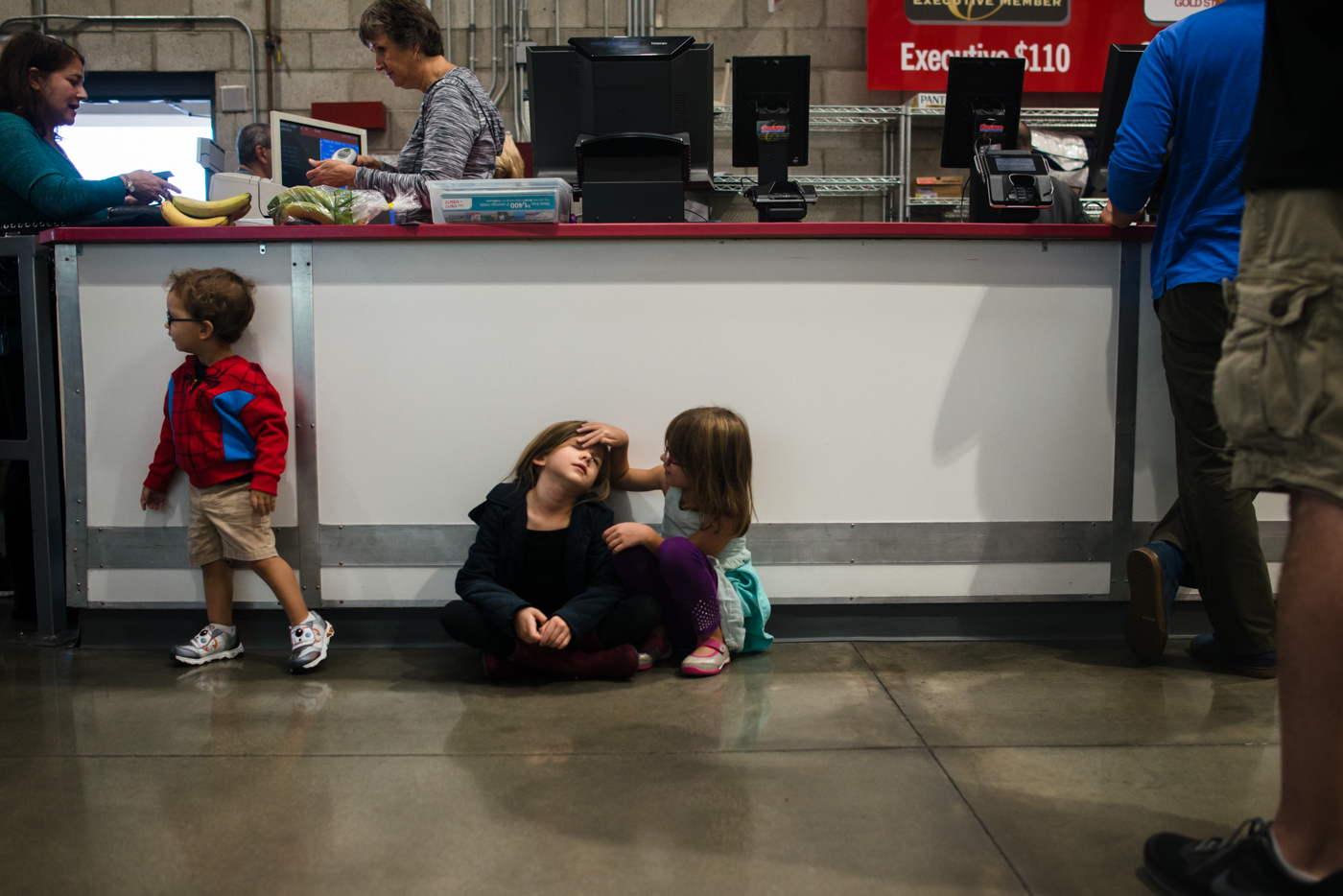
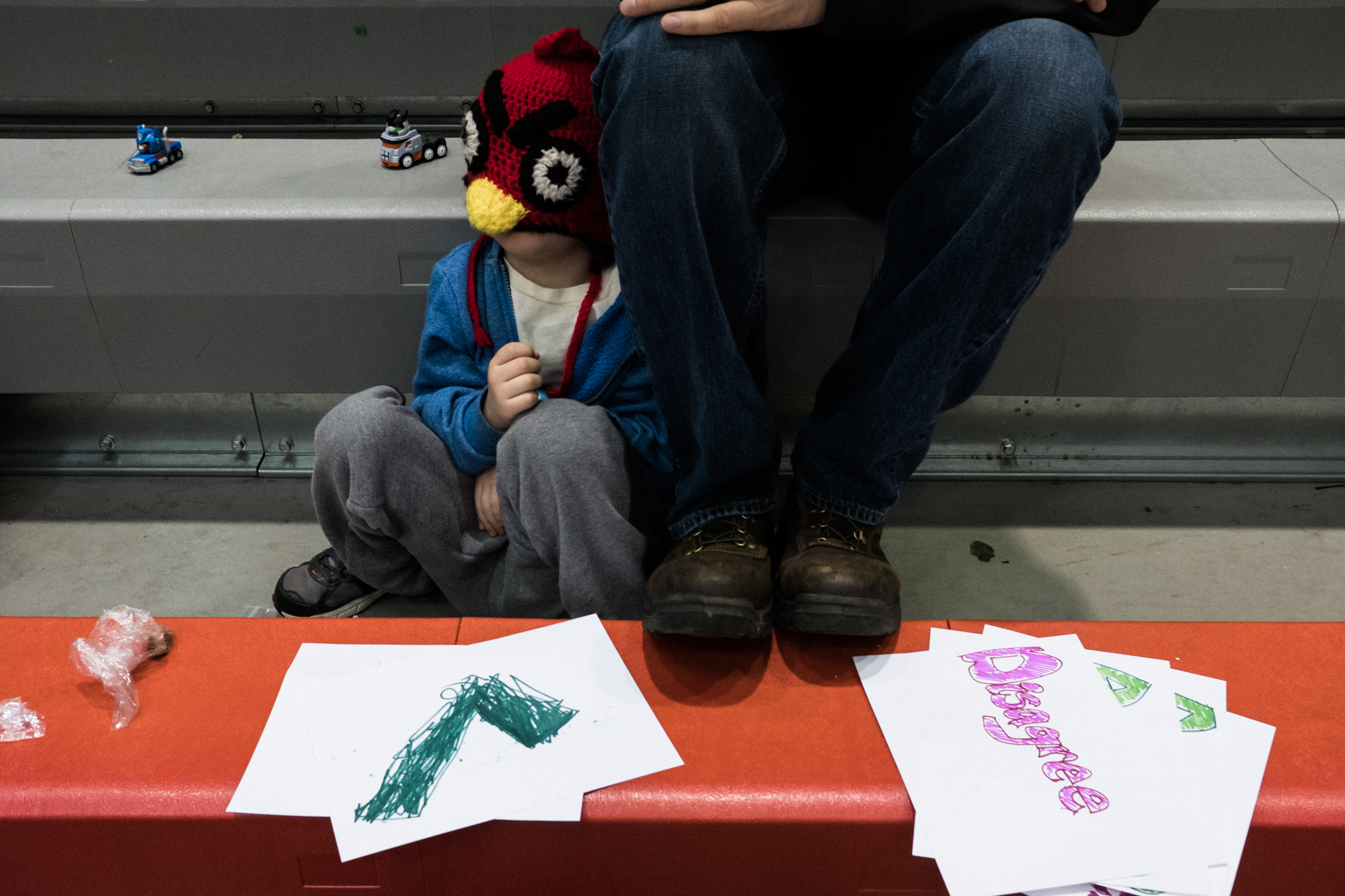
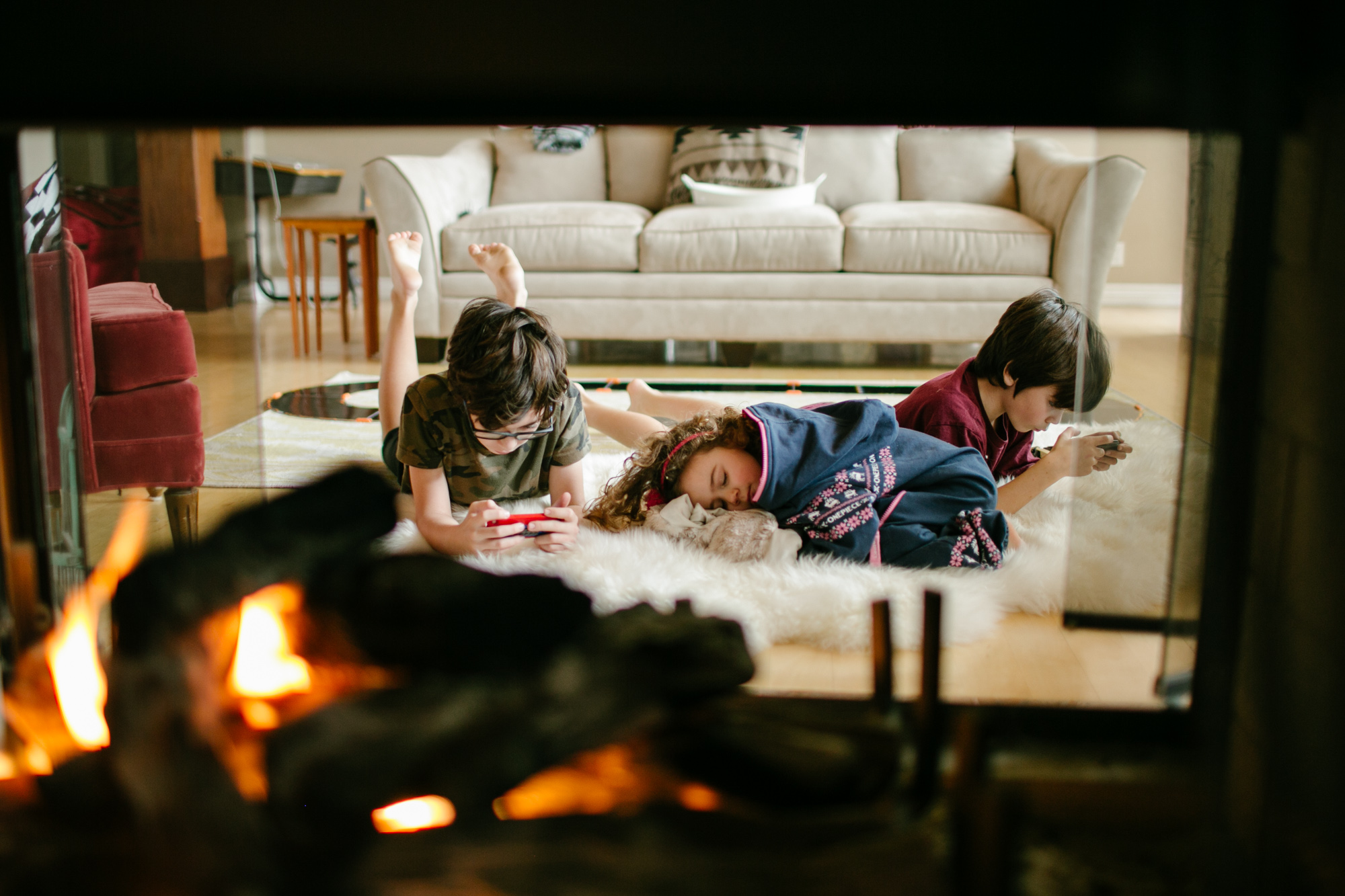
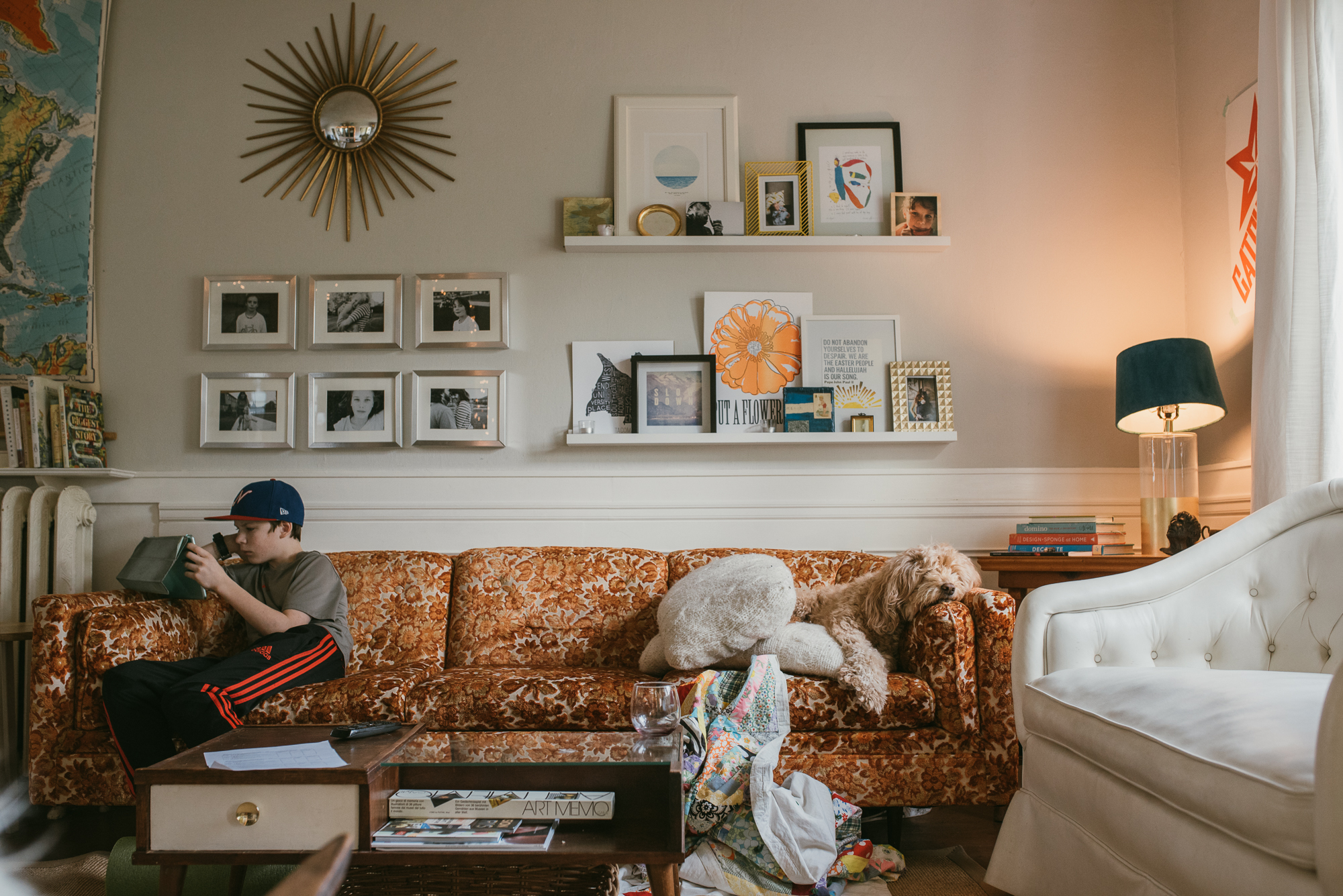
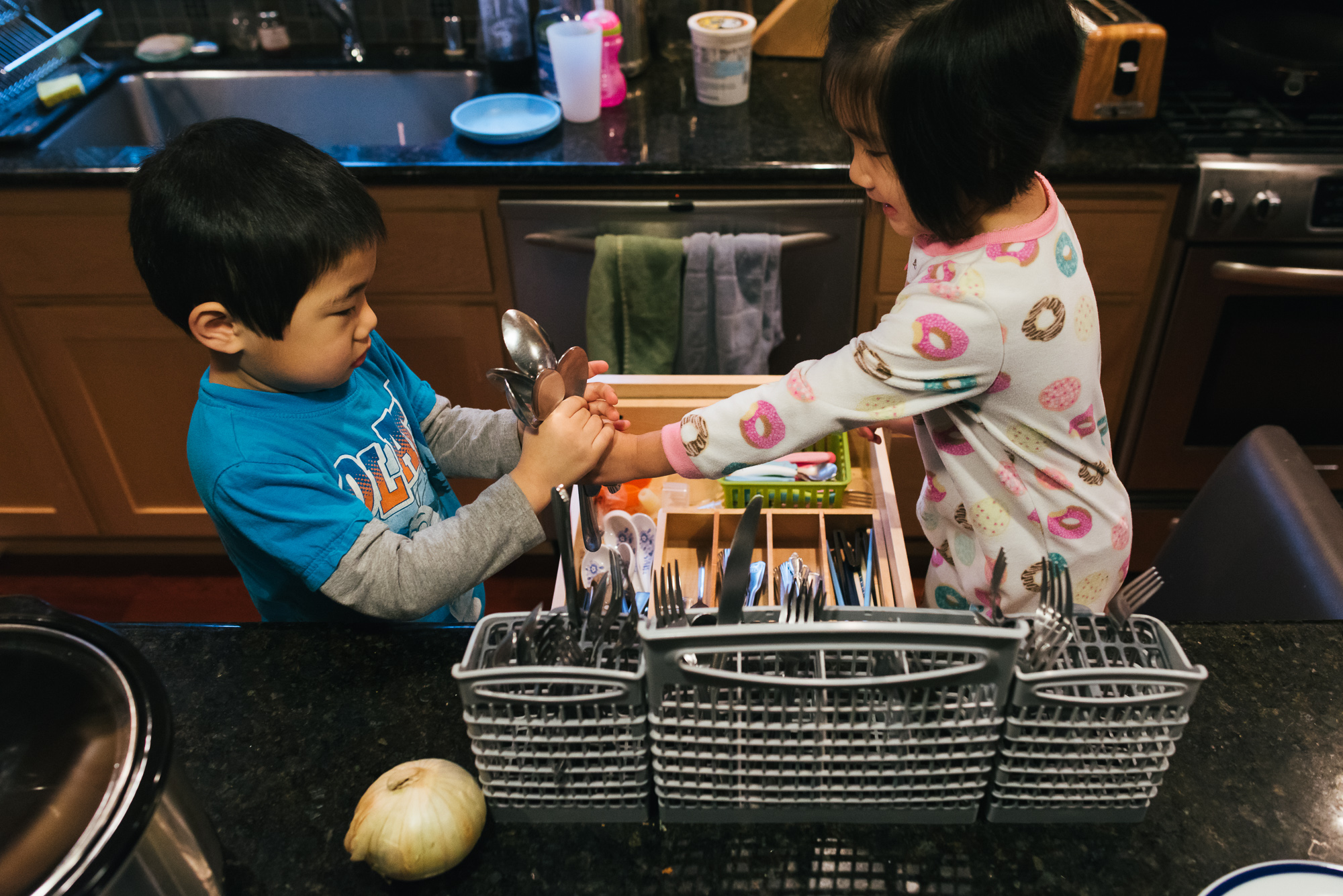
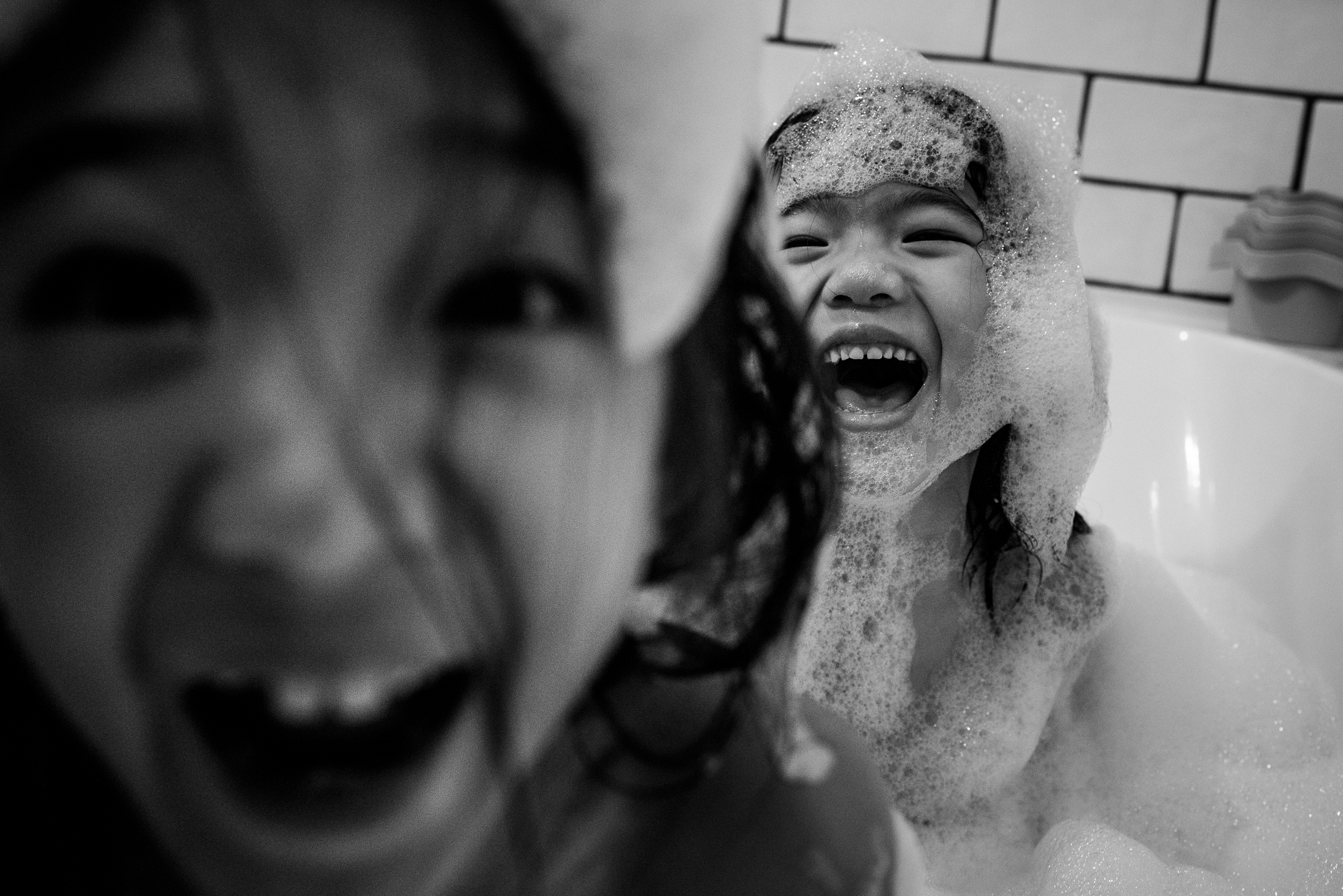
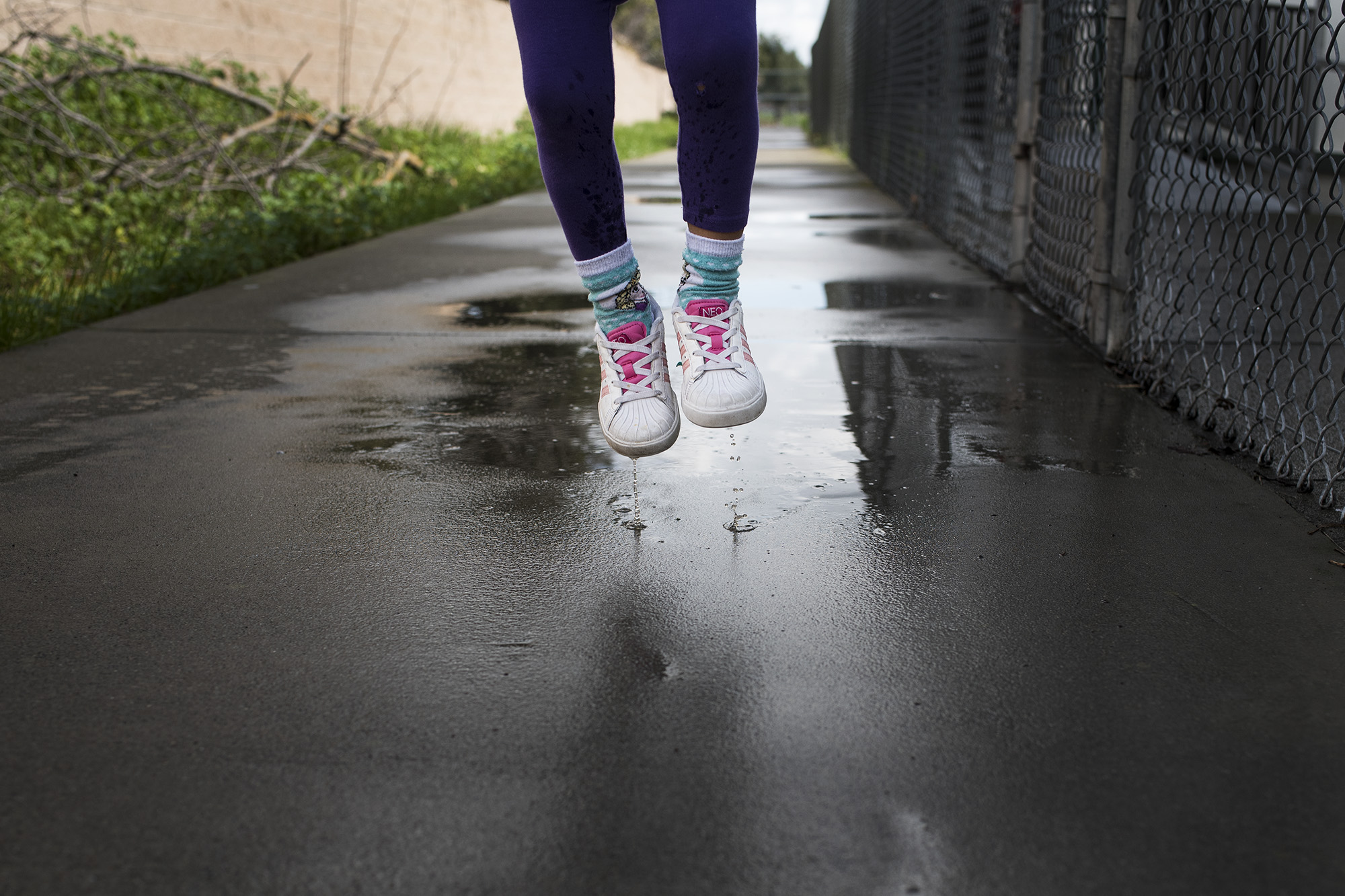
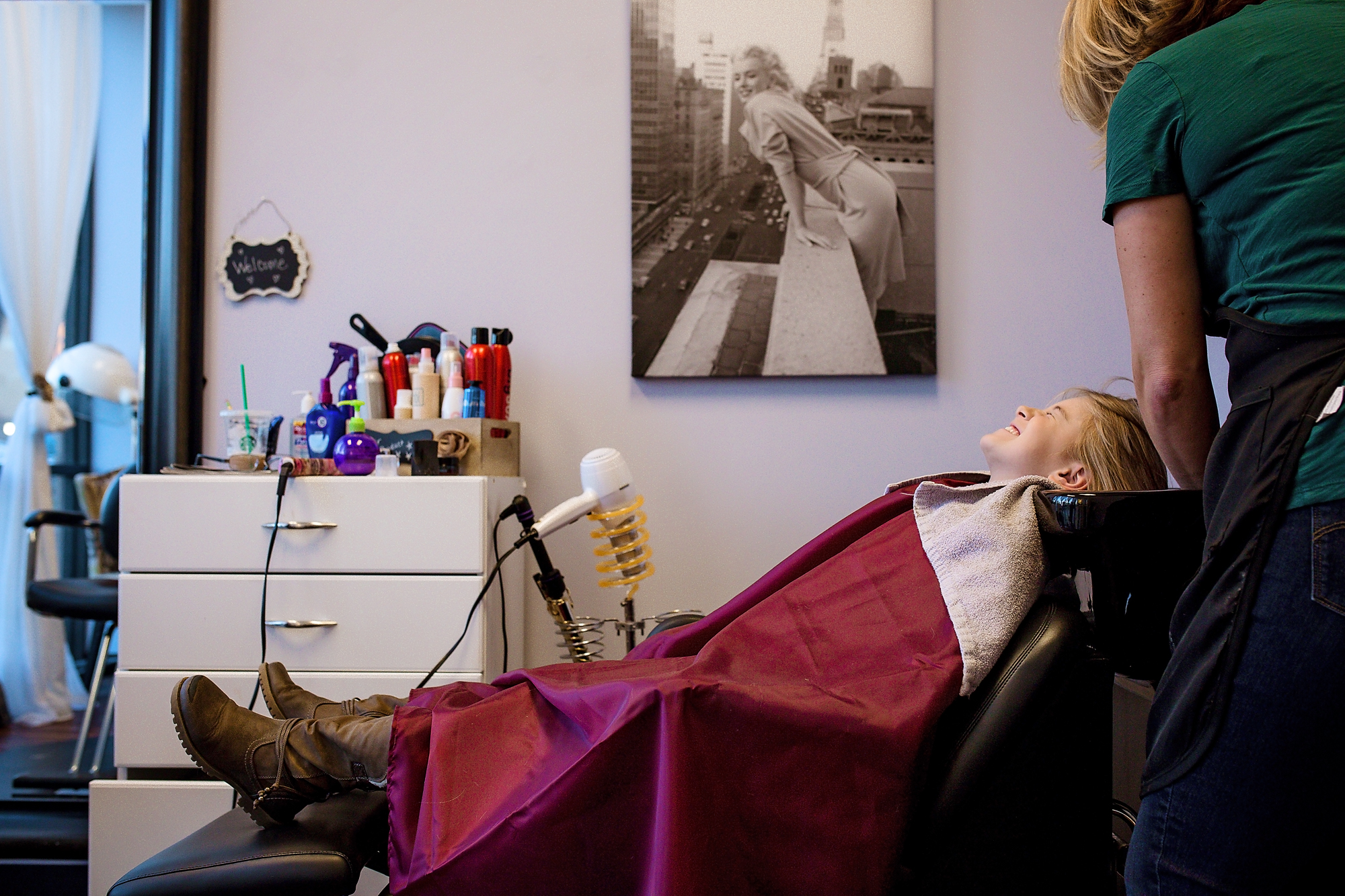
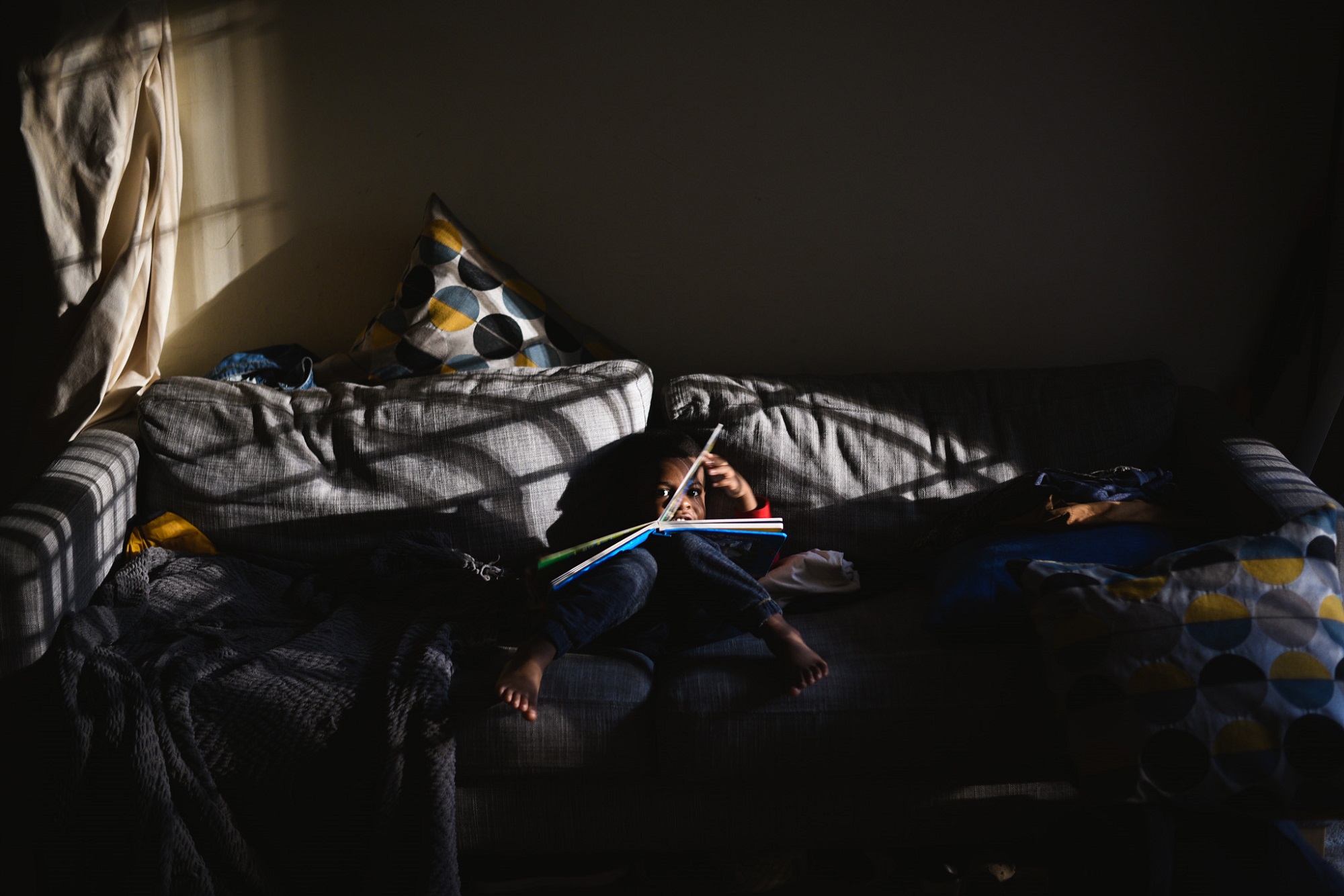
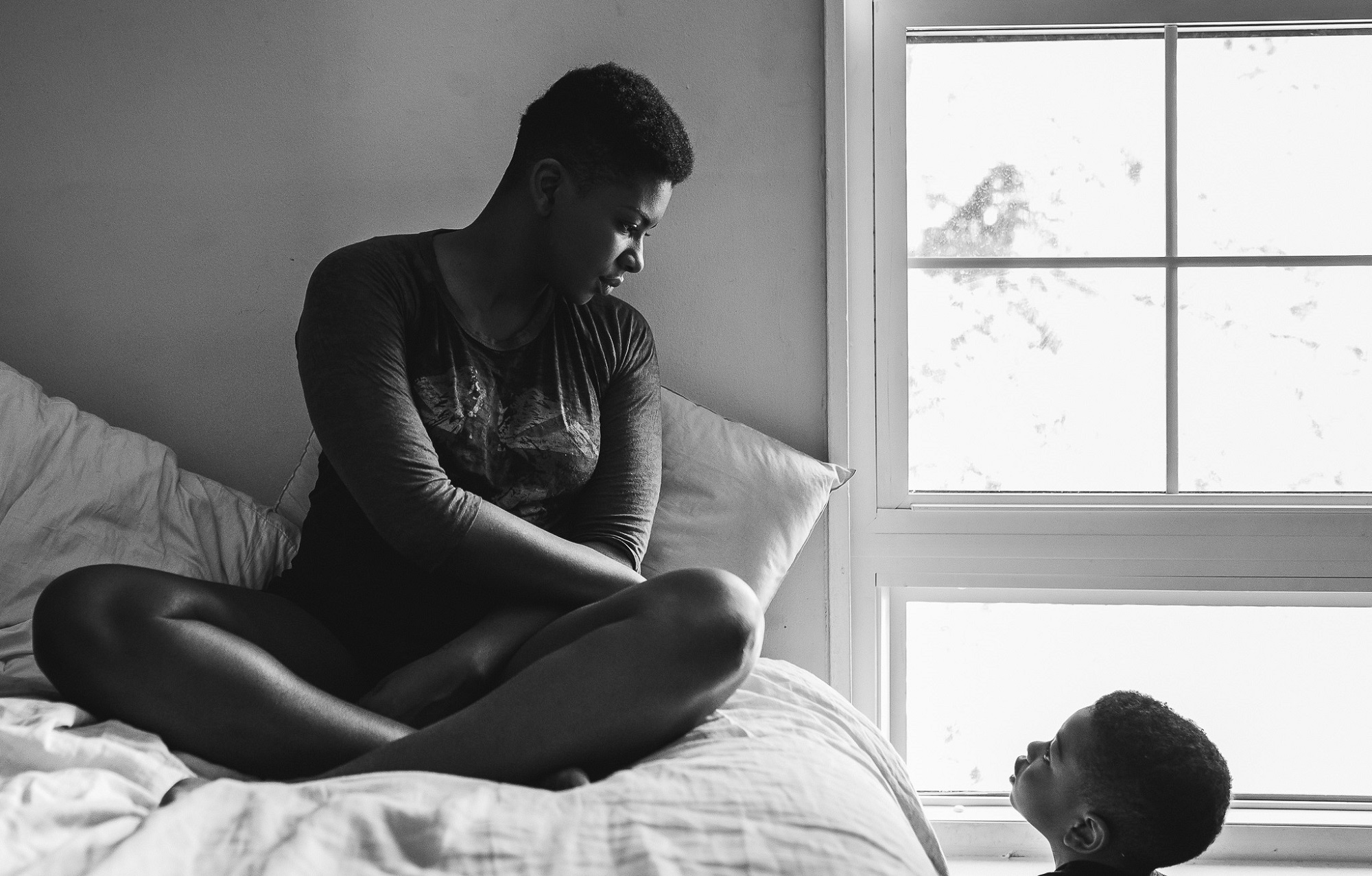 I grew up practicing patience. I learned it from my Dad, the most patient person I know. He does everything slowly and deliberately (my mom would say too slow!). I always admired that about him. When I was younger, I would ask him a question and it might take him 10 minutes to craft a response. He thought about what he wanted to say and made sure it perfectly represented him, always with a calm and soothing demeanor. I wanted to be like that too.
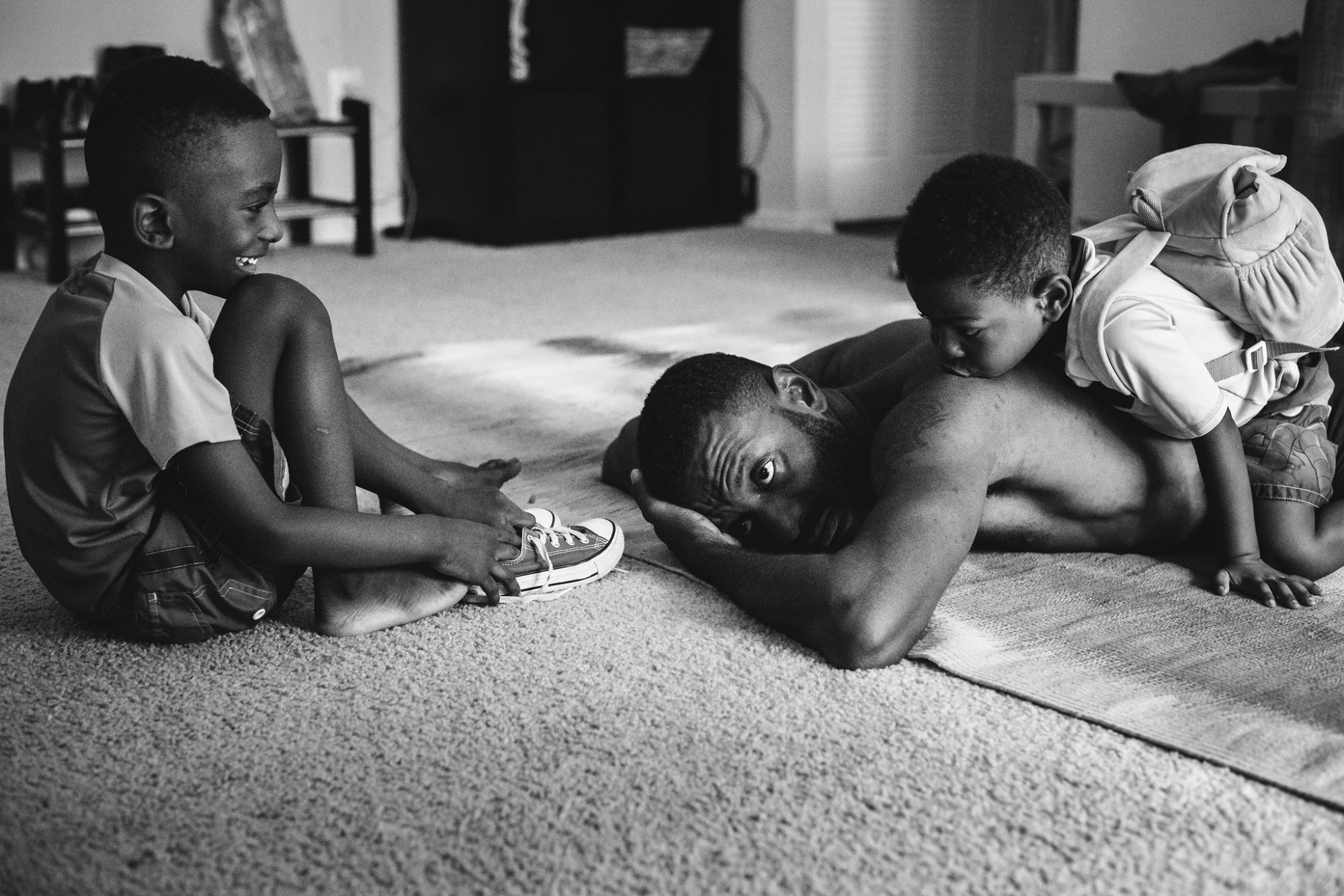 Fast-forward to having children and I knew my “patience” quality would take me very far. WRONG! Patience with kids requires practice and let’s just say, I haven’t been the best student. 🙂
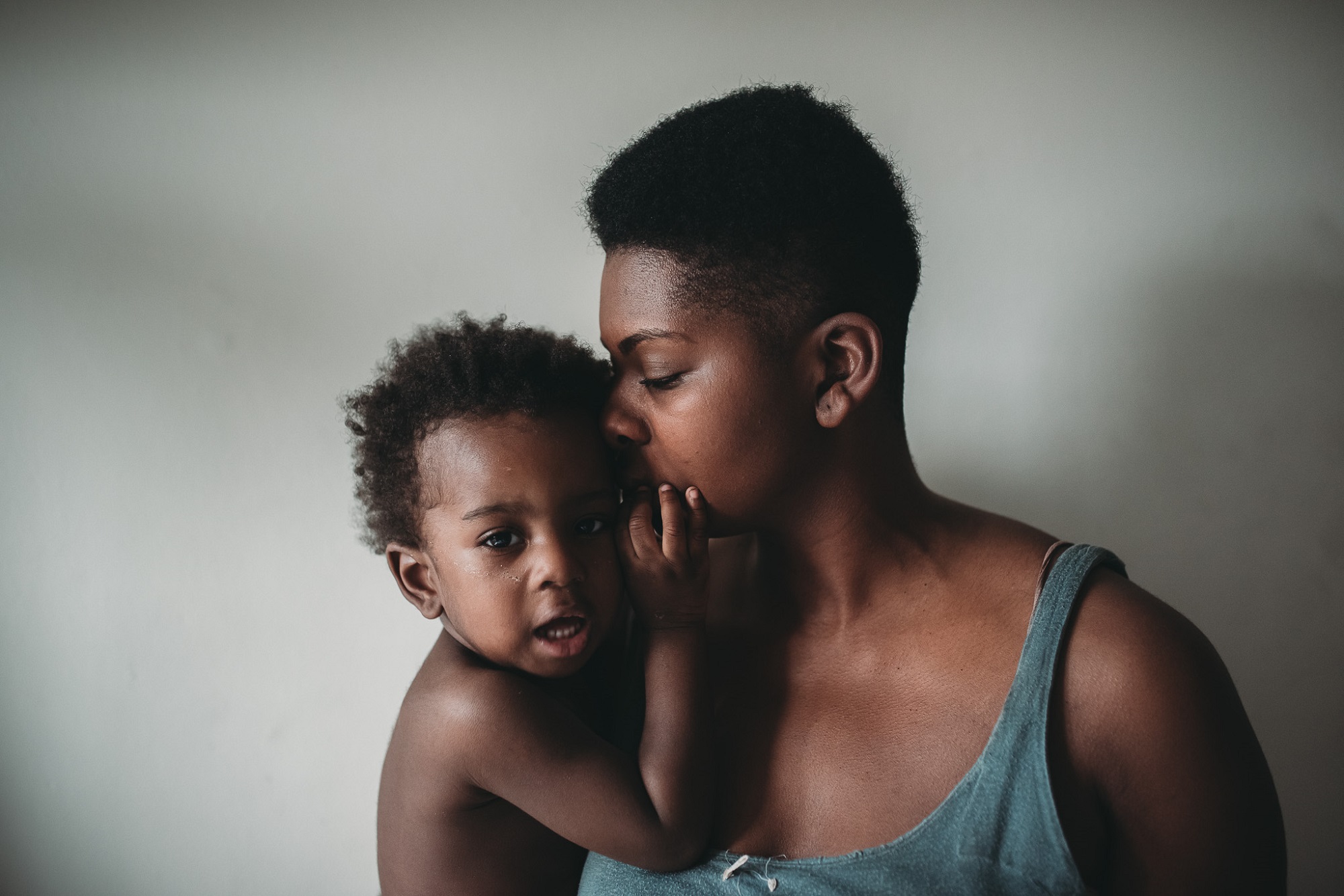 When you strip away some of the creative and technical aspects, the essence of creating a good photograph lies in waiting for something: the right lighting, a decisive moment, or an interesting composition.
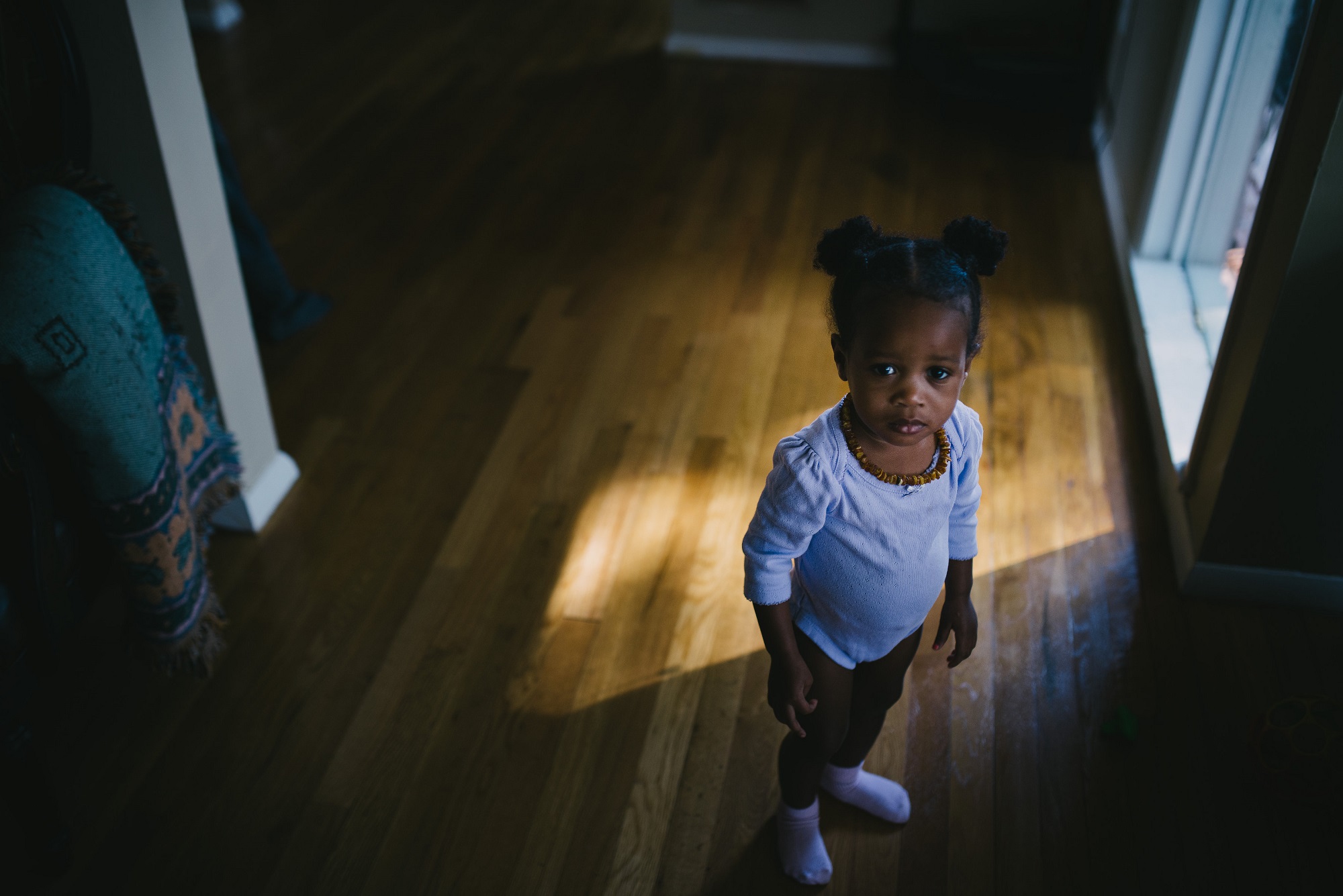 If you decide you want to pursue photography seriously, you learn that immediate gratification doesn’t always come.
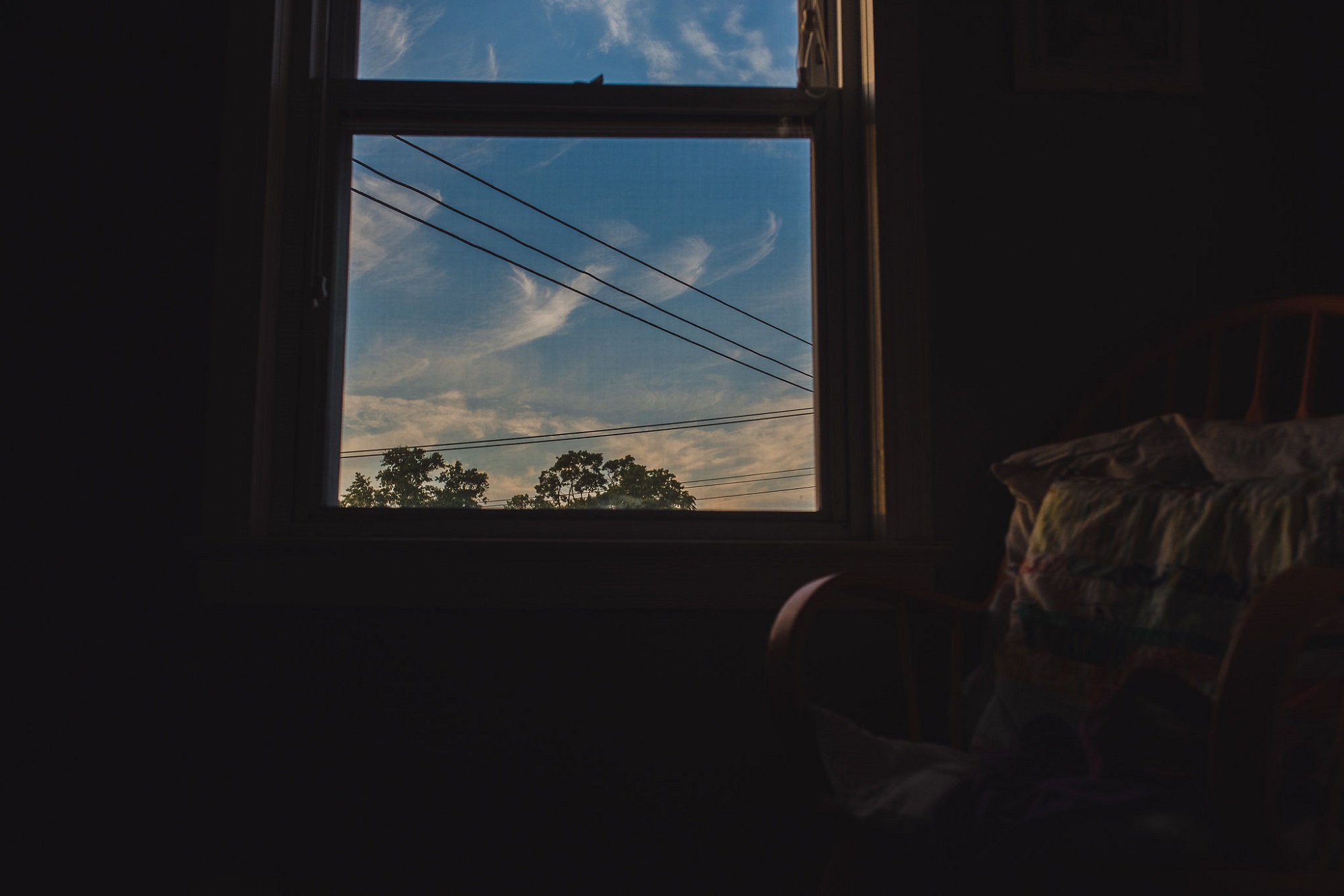 Here are a few ways I’ve learned to slow down in my journey and how they’ve helped me be a more patient artist:
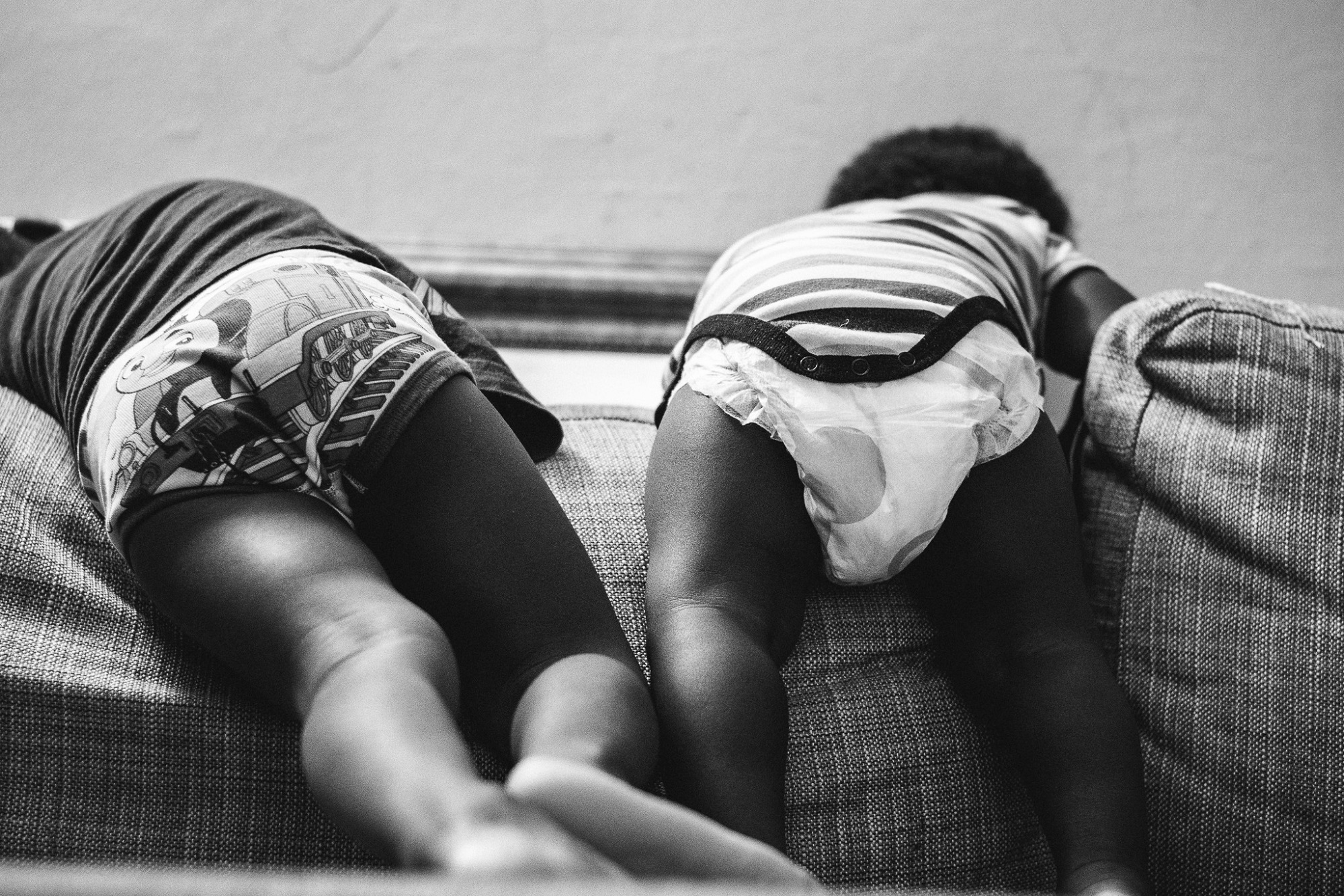 I keep my gear limited.
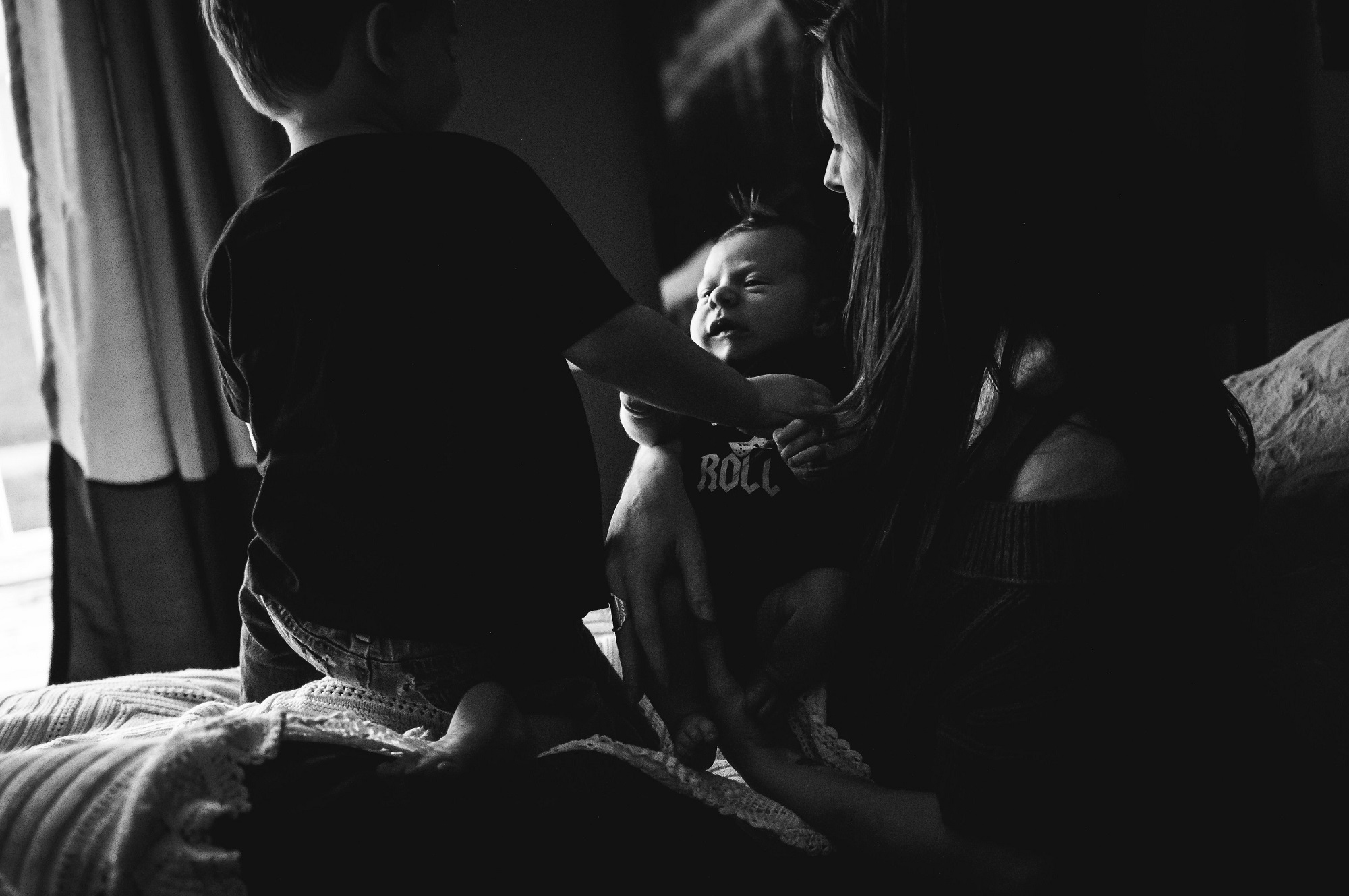 My current gear consists of the following of one full-frame camera (Nikon D750 and one prime lens, Nikon 50 1.8). That’s it. I have a backup camera, but I never use it. You don’t need a lot of gear to a be a good photographer. It’s about working with what you have. And in my opinion, it’s better if you start that process without having a lot of fancy gear to get in the way of what truly matters, the subject, and how you want to approach creating the image. It can be intimidating for me not having all the fancy gear that my peers have, but it’s not practical or cost-efficient for me to do right now. I rent lenses depending on the type of shoot. I’ve still been able to book clients, take images I love, and contribute to several photography groups with just one lens.
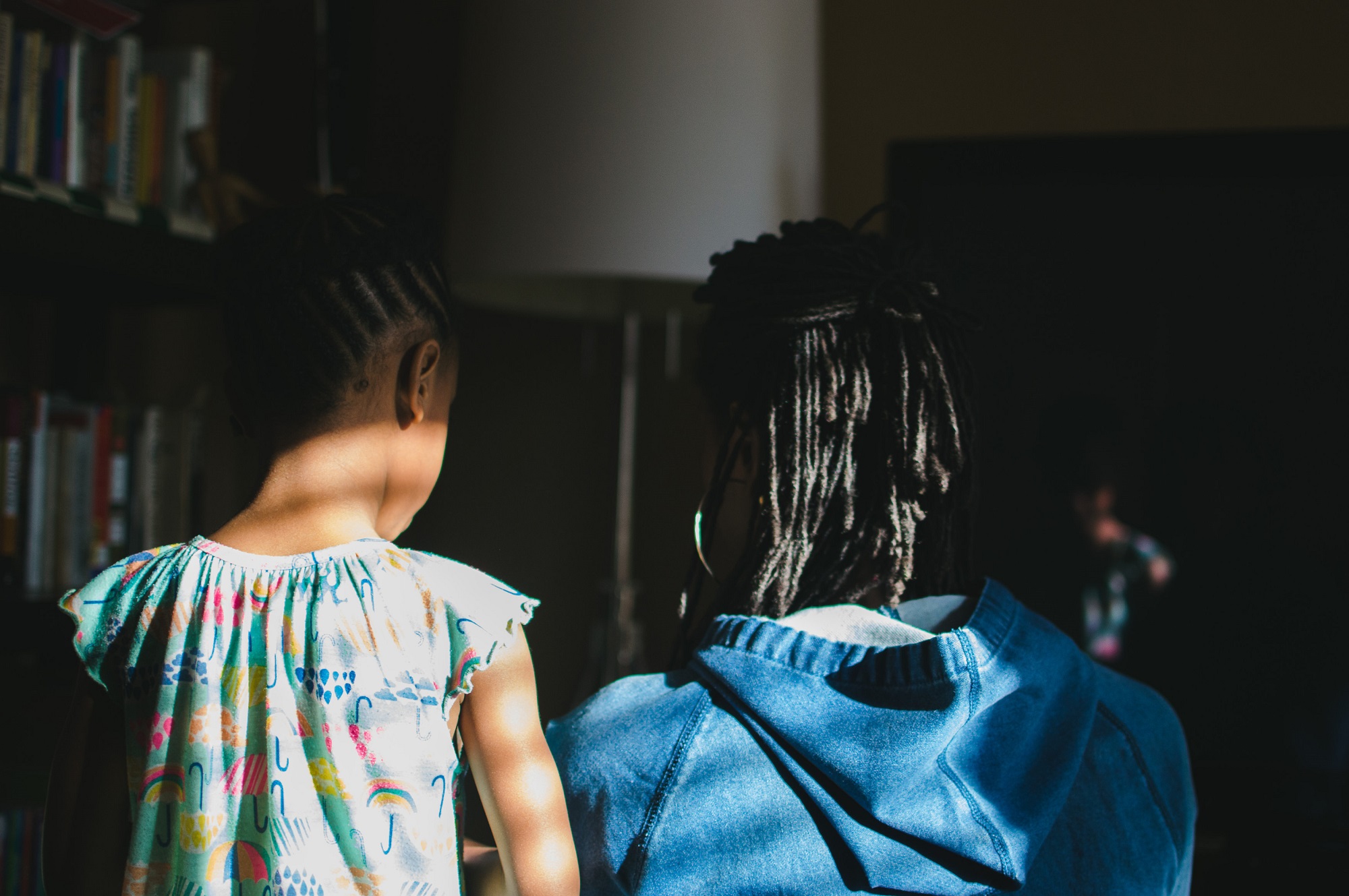 Clients don’t equal talent. Did you have one client that you loved to shoot this year? Celebrate that! Continue to hone your skill and find the people who appreciate your vision. ’As long as you are working with people who love your work and are willing to pay your price, you can have a successful business with fewer clients.
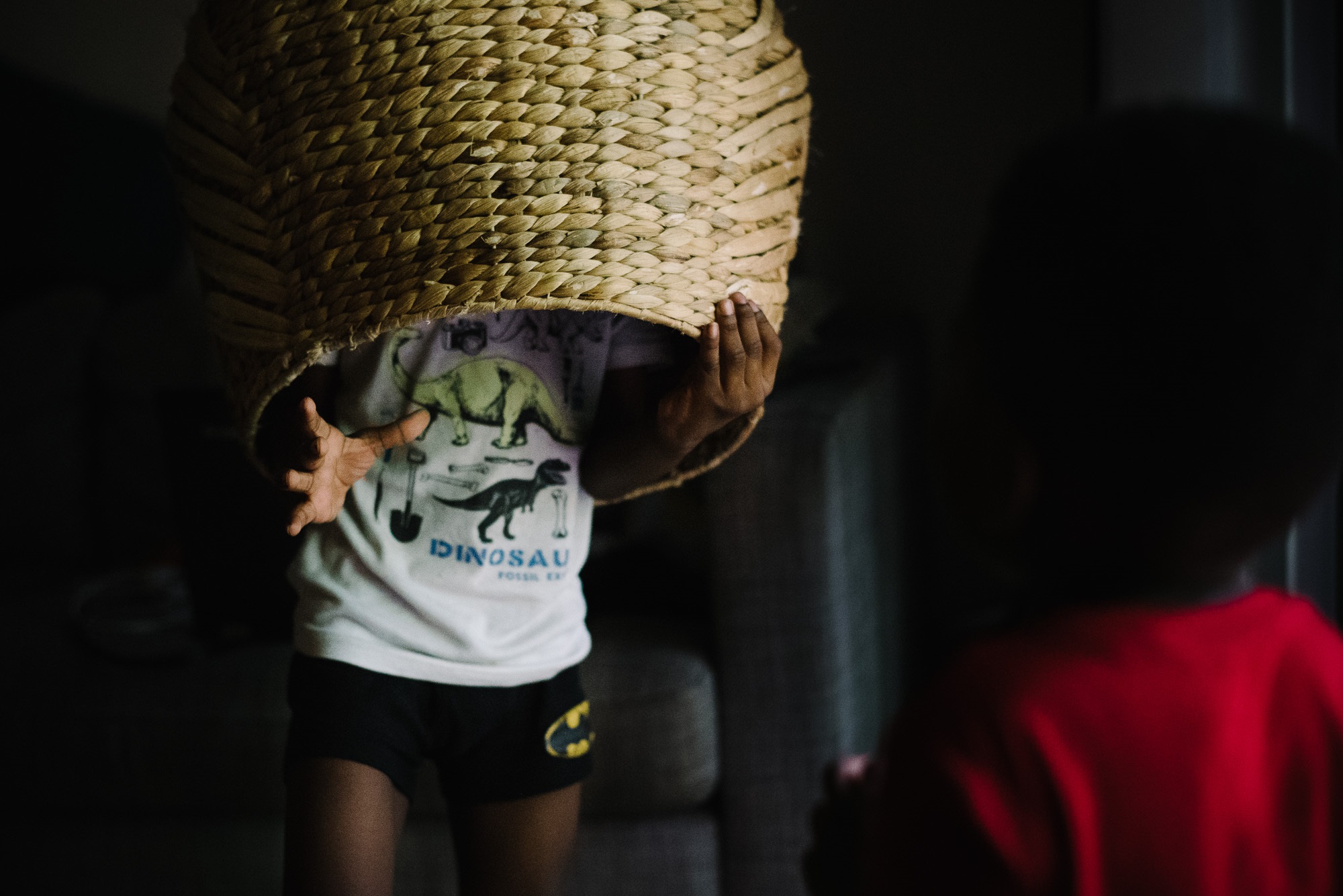 So, this is something I had to learn the hard way. There are so many options for education now. You can go the traditional route at a college or university or be self-taught like myself. But, if you want to take your art to the next level, you have to invest in education. I wasted a lot of money in the beginning buying presentations, online workshops, and e-books that all shared the same information. I didn’t know what to choose and it can be overwhelming to weed through the vast list of options… all claiming to help you master a certain skill. Now that I’ve been around the block a few times, I go about education choices differently. I thoroughly research any instructor, what they are offering, and how it will help me. I set a budget for education and focus on learning a skill where I feel I have a weakness. Remember, no mentorship, new shooting concept, or preset can help you be a better photographer if you haven’t learned the basics and done some internal digging about the type of photos you want to make. Once you figure that out, your images will speak for themselves and you will have a better idea of what you want to learn.
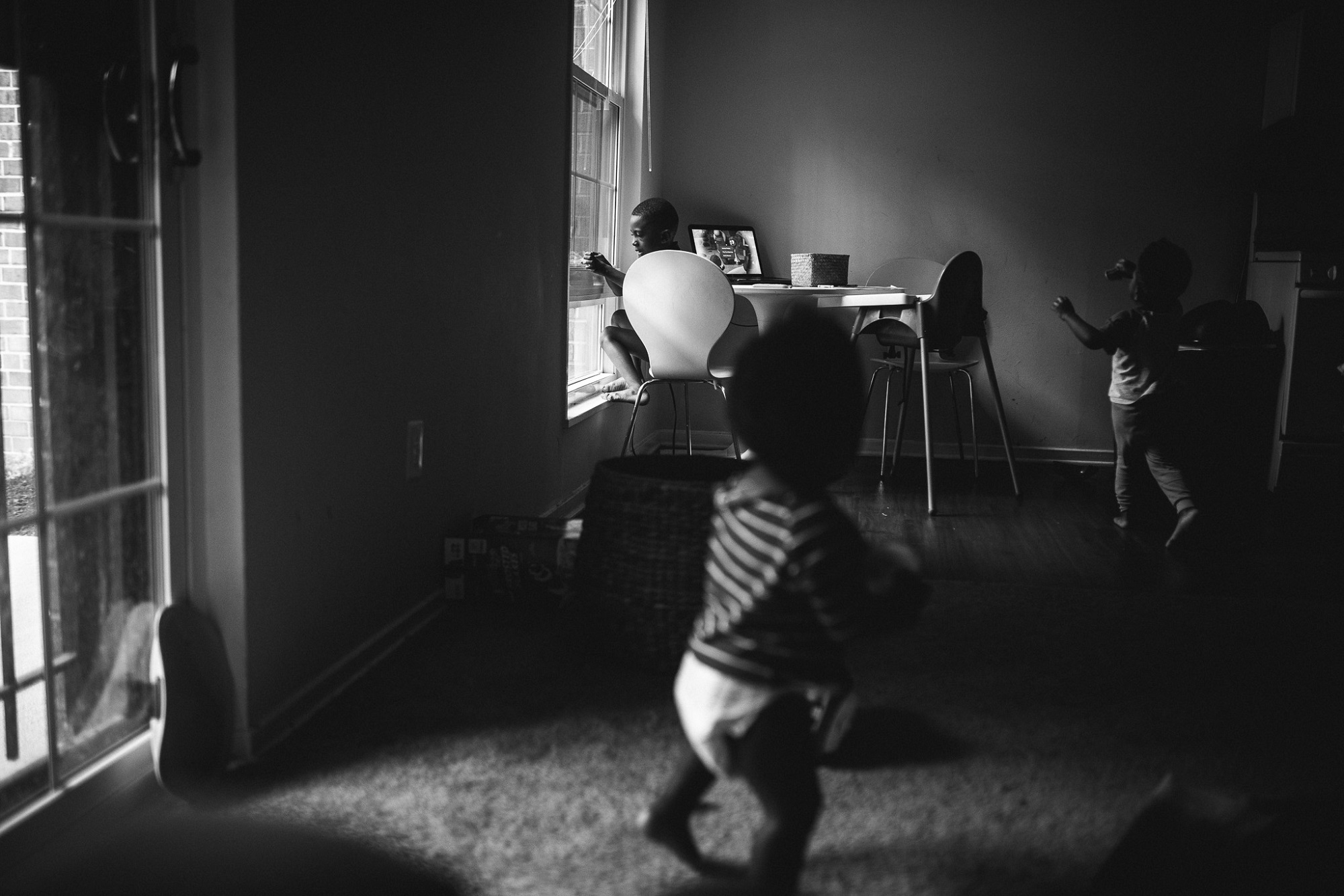 I like to look back old photos and appreciate how much I’ve grown. I hope you do that as well. Congratulate yourself and celebrate your accomplishments! The highlight of my personal growth as a photographer came as I started to reflect less on the images and really started to focus on the reason why I take photos. I’ve learned that I love photographing light and shadow, quiet moments, emotional connection, joy, and individuality. Now that I know that, I immediately see those things and don’t have to try as hard as I used to do to create an interesting photograph.
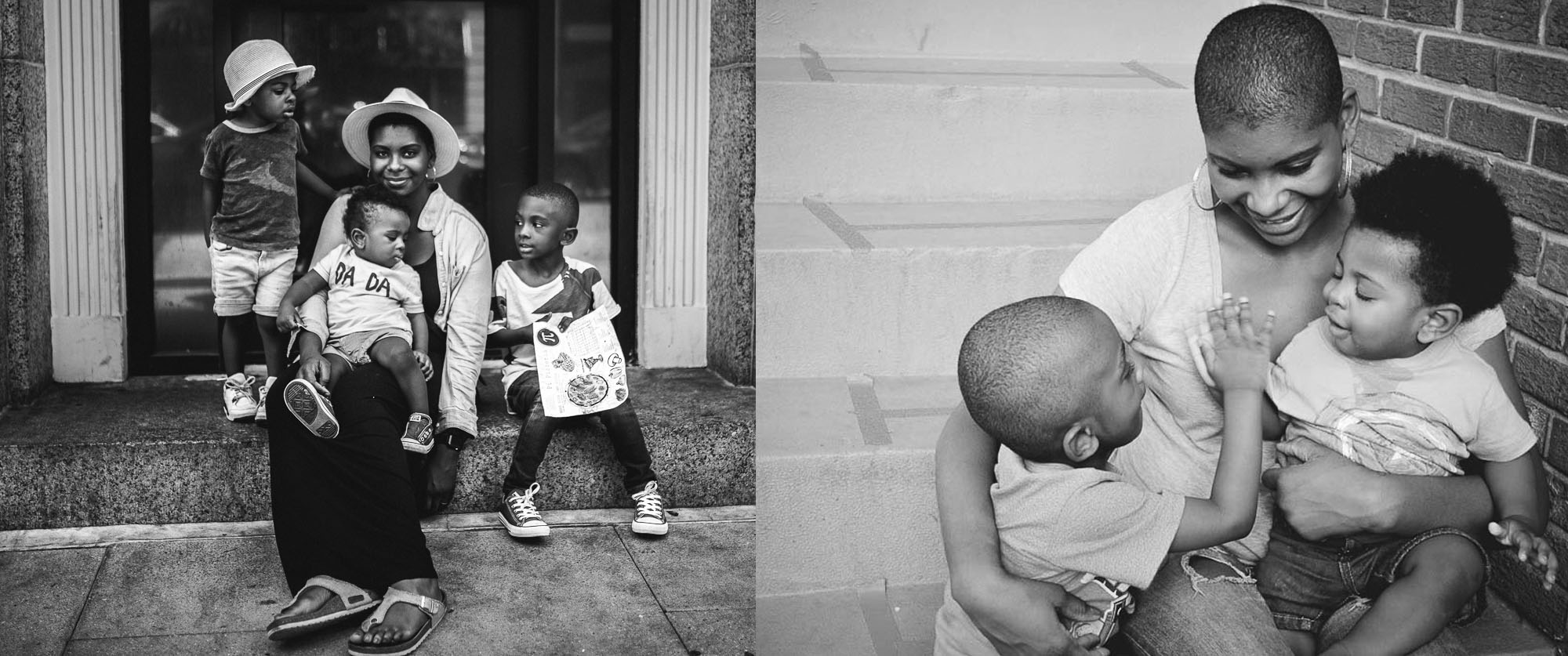 I have a full-time job, a family and countless other personal obligations. I am not working to be a nationally acclaimed portrait artist. I simply don’t have the time to devote my every waking moment to learning the craft, so, I don’t. I fit photography into my schedule and I make time for it because it’s important to me. This might mean I have three hours in a month to practice a new skill or that I might be a bit rusty after picking up my camera after a week of rest.